Reading the 2027 Xinjiang itinerary
Jinxiu Tianfu 2027: Two Seasons and a 16-Day Xinjiang Journey
Understand Jinxiu Tianfu’s 2027 Xinjiang plan through its two seasons, three regional choices and changes between train cabins and hotels before choosing a route.
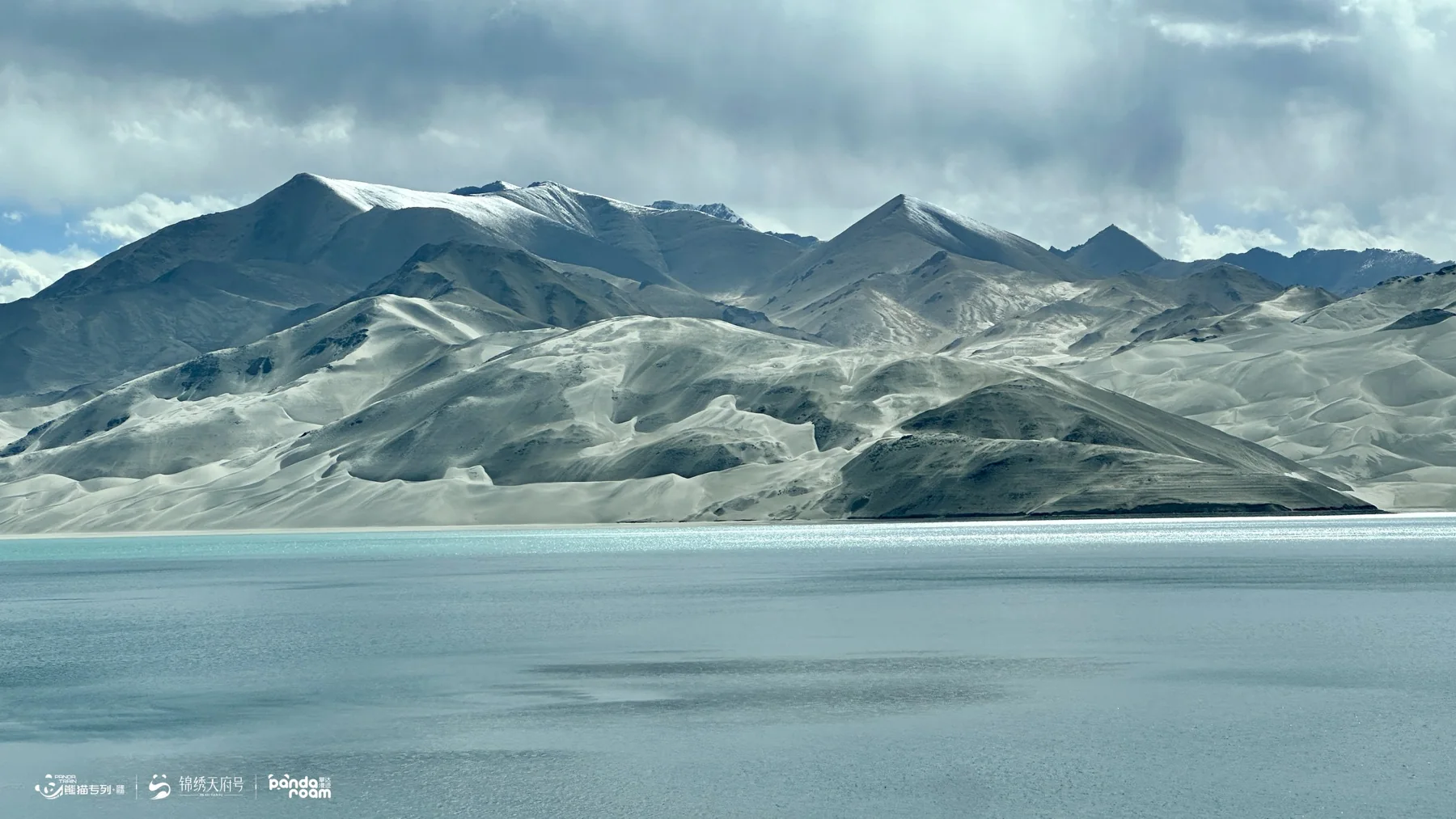
White Sand Lake and mountains in the itinerary material. · PANDA TRAIN · JINXIU TIANFU customer material
A Jinxiu Tianfu itinerary can look like a long list of places: Hemu, Kanas, Sayram Lake, Kuqa and Kashgar. A more useful way to read it is through three connected decisions: when to leave, which route to take within each region, and where you will sleep between visits. Those decisions give the sixteen days a shape you can discuss with your companions.
The 2027 northern and southern Xinjiang programme on PANDA TRAIN·JINXIU TIANFU EXPRESS starts and finishes in Chengdu. Regional choices shape the earlier part; the routes then share the southern section and return journey. This guide explains that structure. The official plan remains the place to check published departure dates and prices.
Before you begin
- Choose a workable season, then compare regional routes. A season name and a route letter describe different decisions.
- The Ili and Kuqa section occupies Days 6–10, with routes A, B and C offering different ways through it.
- Train cabins and hotels both form part of the accommodation. Sixteen days does not mean sixteen nights aboard.
Start with dates and the scenery you hope to see
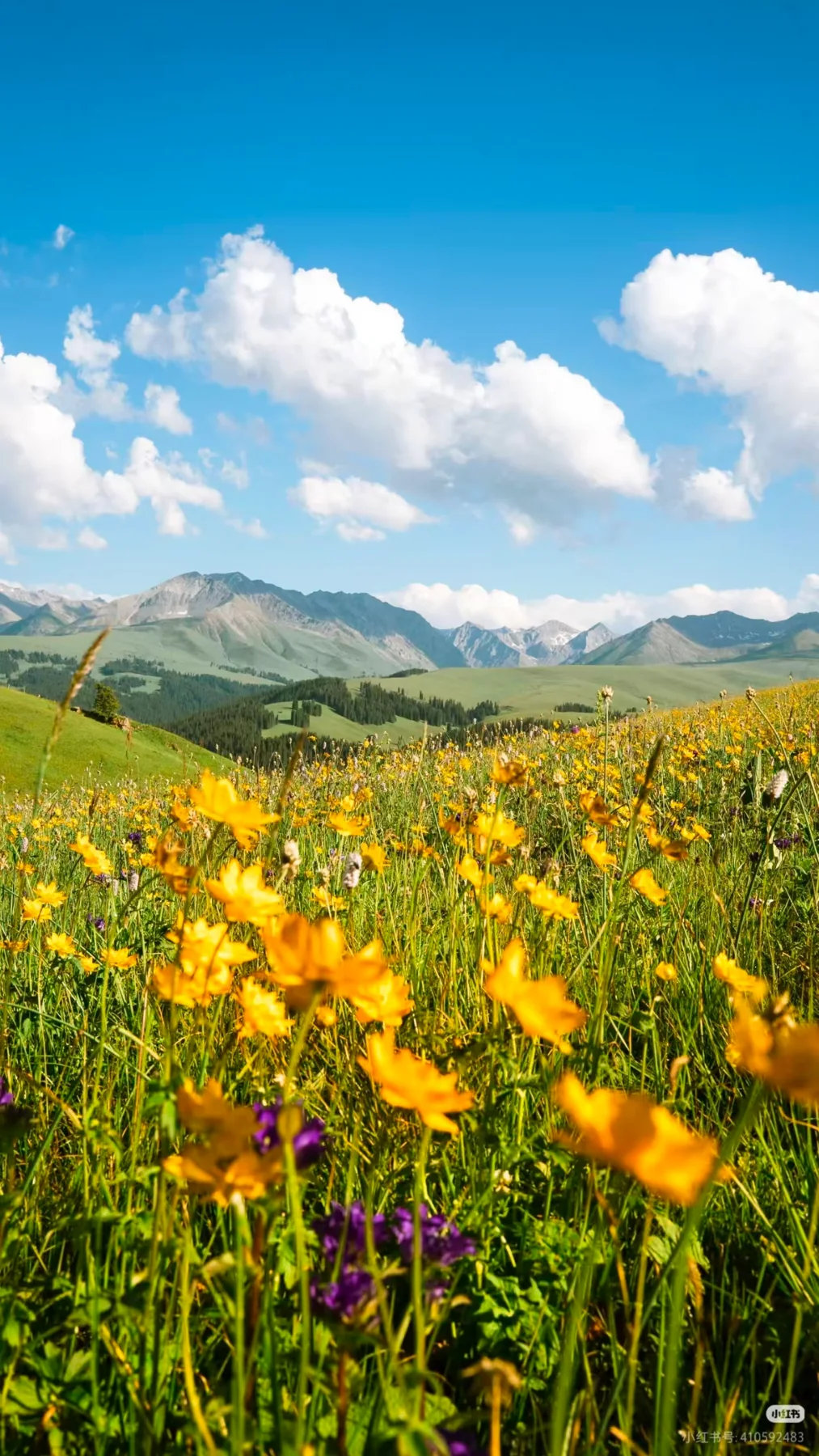
The Tianshan Pastoral edition focuses on grasslands, flowers and mountain scenery. Gilded Ode shifts the emphasis towards golden woodland and seasonal light. If your family has a fixed holiday window, mark the dates you can travel before choosing a favourite image. Then identify the edition available within that window.
The current 2027 Xinjiang departure plan ends in September. There are no departures in October or later. The Gilded Ode name should not be read as an October service, or as a promise that foliage will match a particular photograph. Weather influences natural change; the edition name expresses the programme’s intended emphasis.
Cabin prices also need to be compared within the same category. Some published rates differ by season, so a single starting price cannot describe every option. Read the official table, then ask about any route additions and the cabins available on your chosen date. The published figures provide a reference for that conversation, rather than a live inventory count.
See the official 2027 dates and published rates
Read the first ten days as three regional decisions
The website’s selection process works through Urumqi, Altay, and then Ili with Kuqa. The first two regions each have an A and B choice; the third has A, B and C. A letter only makes sense within its own region. Urumqi A and Ili A do not mean a single route called A running through the whole journey.
Write down the region beside each choice. This is useful when one person researches the journey and another makes the inquiry. It also helps prevent a favourite stop from being added to the wrong day. Different regional options can use the same time slot, so combining every appealing photograph does not produce a workable itinerary.
The earlier days mix rail travel, sightseeing after arrival and nights in local accommodation. The Altay portion brings the trip into the Hemu and Kanas area before the move towards Yining. The following five days offer a more visible contrast: roads and grasslands on one route, woodland, camp accommodation or lakeside stops on another.
| Region or phase | What to read | Question to resolve first |
|---|---|---|
| Urumqi | The first regional visits after entering Xinjiang | Which stops belong to the selected A or B option? |
| Altay | Village and lake visits with local overnight stays | Which landscapes would you most like to spend time in? |
| Ili and Kuqa, Days 6–10 | Ground routes A, B and C | Do you favour road scenery, grassland and forest, or Jade Lake and Xiata? |
| Shared journey from Day 11 | Southern Xinjiang and the return to Chengdu | What needs should the team address before confirming this part? |
The Ili choice changes how five days are spent
Route A connects Nalati, the Duku Highway and Kuqa. It is worth studying if road scenery is a central part of what you want from the trip. Read the transport line carefully: the highway section is travelled by ground vehicle. A photograph of a lake or grassland does not mean that the train runs beside it or that you will see that view through a cabin window. Road access needs to be checked against the notices for the actual departure. The material also lists a separate routing for international guests, so confirm the version applicable to your party.
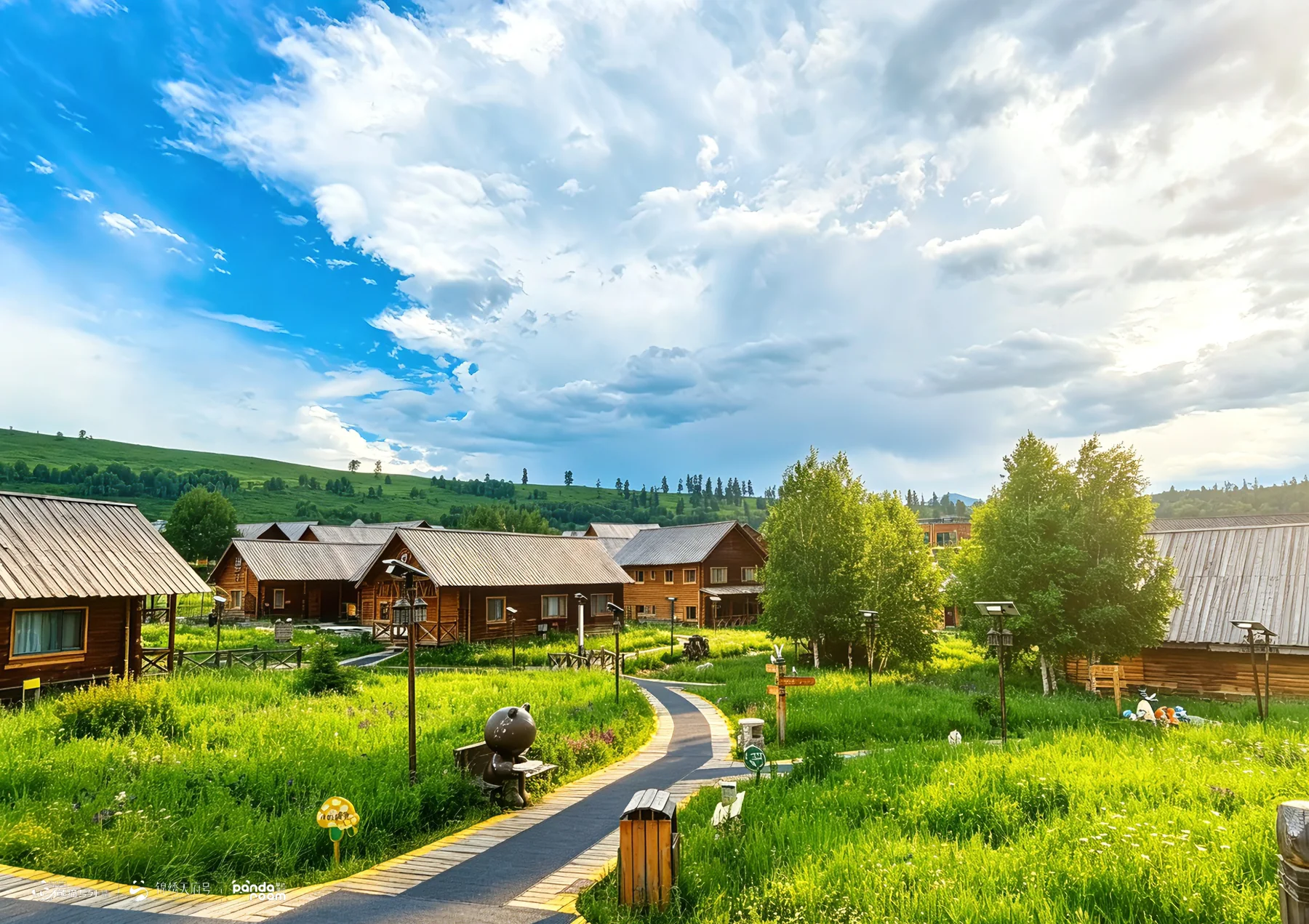
Route B needs to be read with its season attached. Grassland and camp arrangements in the Pastoral programme should not be carried across automatically to the autumn version. The corresponding stops and accommodation change. If a particular camp is the main attraction for you, establish whether it belongs to your selected edition before settling on the letter B.
Route C places Jade Lake, Xiata, Sayram Lake and the Kuqa cultural visits within Days 6–10. Its appeal lies in the order of the lake and valley stays. An article about another train’s Jade Lake journey cannot establish Tianfu’s duration or hotels. Read the full five-day section before deciding whether its accommodation rhythm suits the way you want to travel.
Read the road section of Ili Route ACompare the seasonal versions of Route BExplore the five days on Route C
The overnight column explains the pace
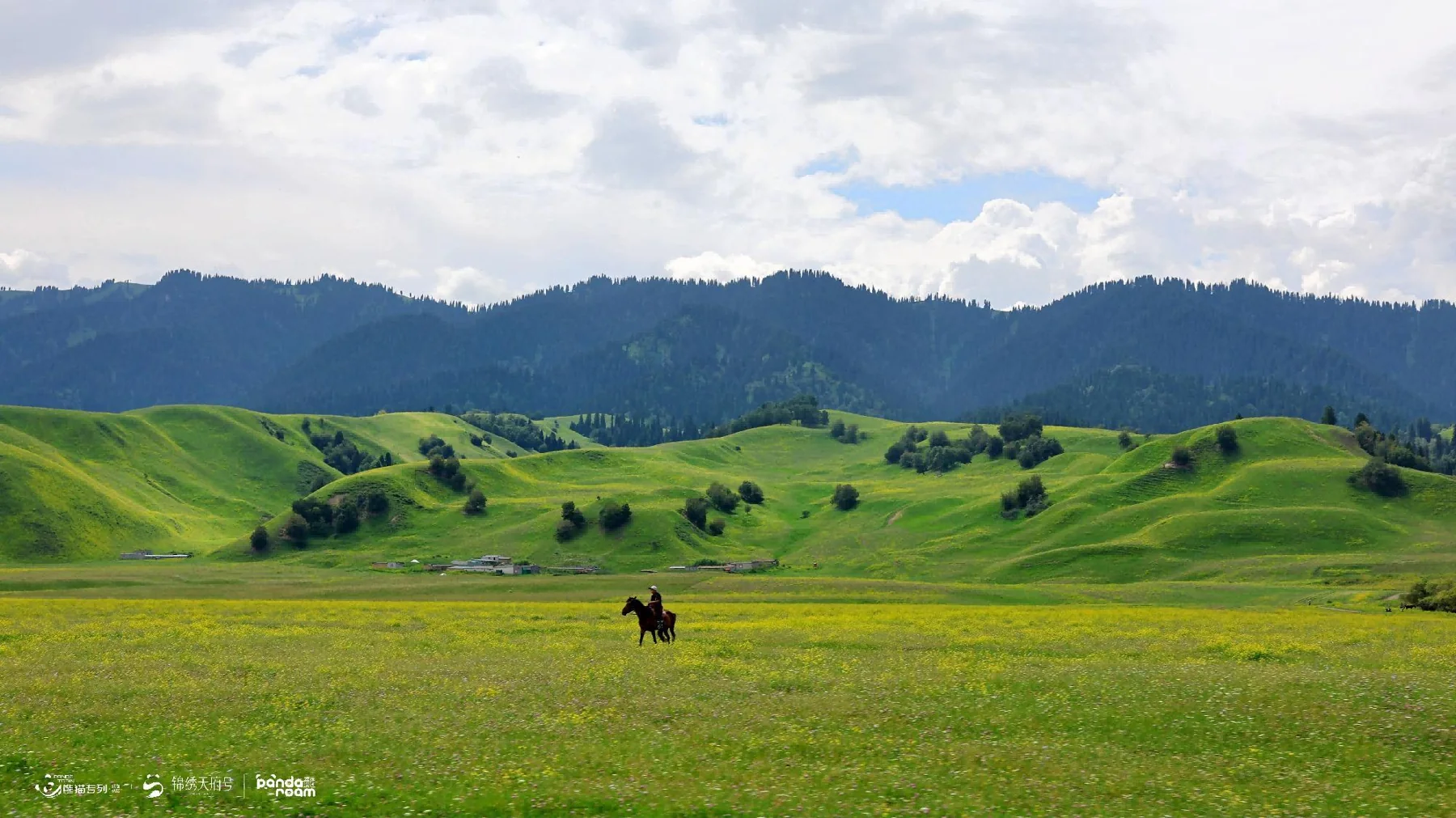
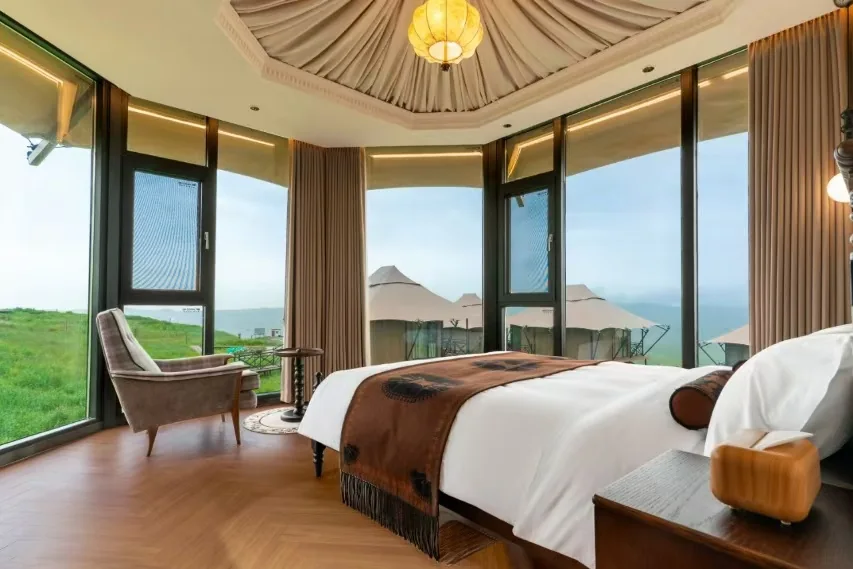
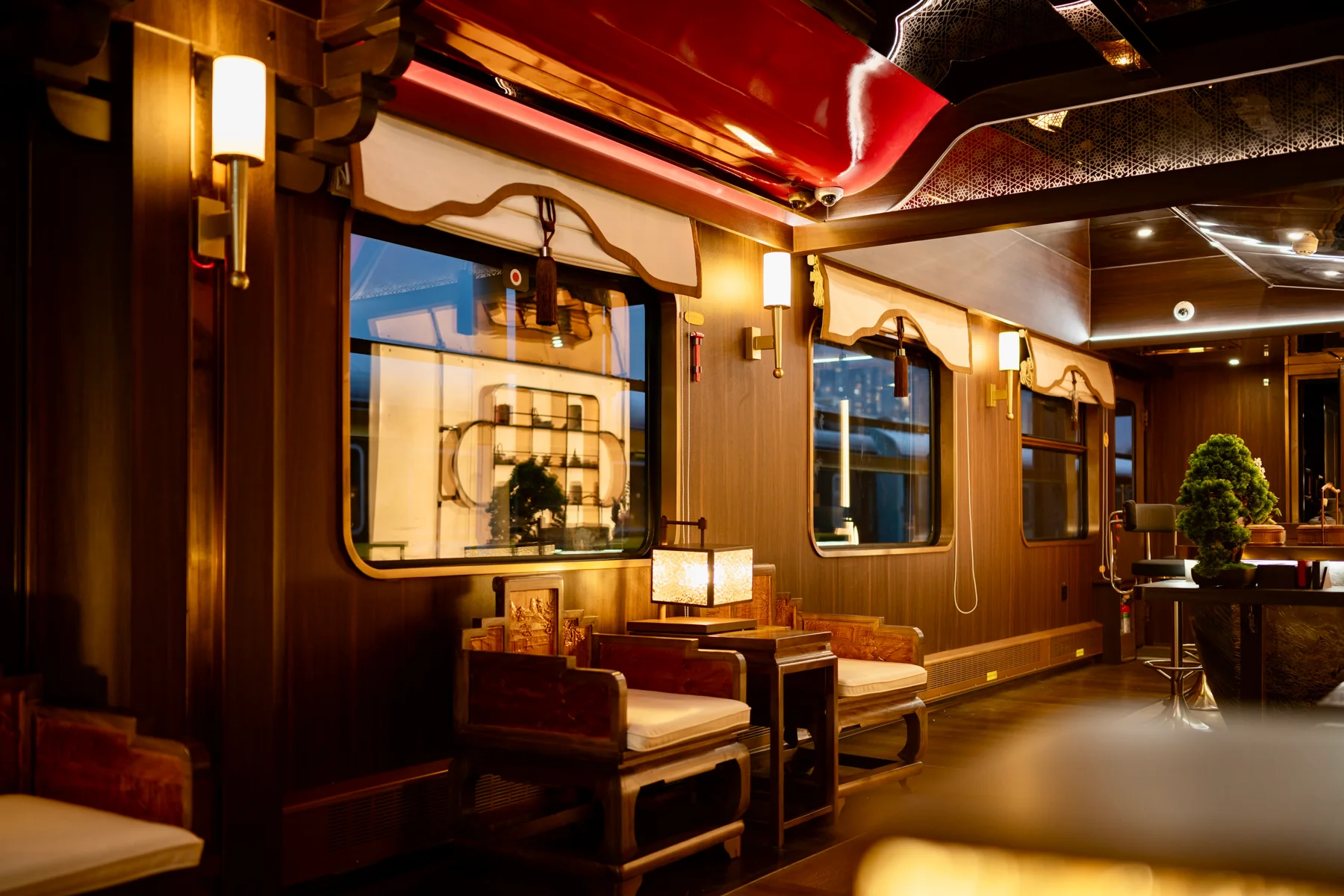
Read where you sleep alongside where you visit. The assigned train cabin is retained during the journey, while the ground sections use the accommodation listed for the route. Large cases can remain aboard and a smaller bag can serve the hotel nights. The travelling team should confirm the practical handover arrangements and when you next return to the train.
For example, the hotel nights in Altay require different preparation from the night spent travelling towards Yining. Ili introduces another set of changes because routes A, B and C do not use identical accommodation patterns, and B also varies by season. One version’s hotel list cannot be applied to all of them. The rail connection towards Kashgar after the Day 10 visits is a useful transition to mark separately.
If a companion prefers early nights or values consecutive stays, ask the adviser to put hotel check-in, return-to-train and next-day departure points on one timeline. That makes it possible to discuss when to rest and when a small bag needs repacking. A general question such as whether the journey is relaxing is much harder to answer precisely.
Leave room for the southern section and the way home
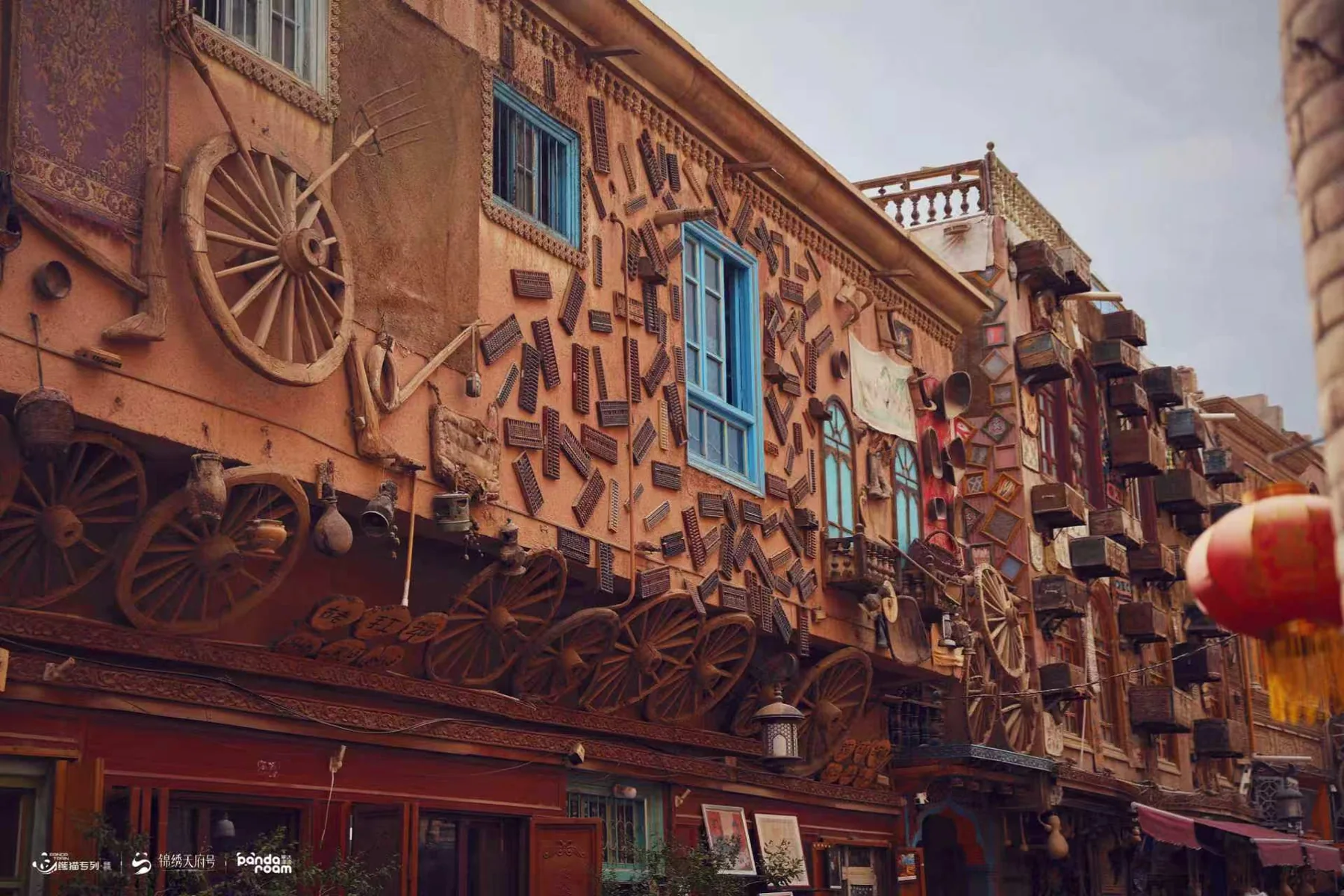
The common programme from Day 11 includes Kashgar and the Pamir-related section. Its character differs from northern lakes and grassland. Read cultural visits, ground travel and rest together. If you have concerns about taking the Pamir excursions, raise a request to remain in Kashgar before booking; the team needs to confirm the workable arrangements and any cost implications.
Days 14 and 15 on the returning train are part of the product’s stated duration. They can provide time to sort photographs, join activities scheduled for that departure or rest in your cabin. Keep both days in your holiday calendar. Arrival in Chengdu is planned for the morning of Day 16, with actual operation and onward connections subject to the final instructions.
The customer programme separately lists a complimentary Chengdu hotel night before and after the journey, plus an airport pick-up and drop-off arranged per room. Fit those services into your personal travel calendar instead of relabelling the train itinerary with another duration. Before buying flights, align the hotel dates, assembly date and departure from Chengdu. This also helps the team identify any gap between your flight and the included arrangements.
Understand changes between the train and hotels
Make a few decisions with your companions
Ask each person to name one part they most want to experience and one burden they would prefer to avoid. Someone may want the changing views along a road; another may value a longer lakeside stay. One companion may care about room to sit in the cabin, while another notices the number of hotel changes. These preferences point towards useful choices without requiring everyone to agree on a route described simply as the best.
Send the season, three regional selections, party size, cabin preference and particular needs together. If two options remain under consideration, name them and explain the trade-off. An adviser can then check a specific proposal instead of sending a large set of general material. Keep a copy of that outline with the written response so everyone is discussing the same journey.
Questions worth asking
Are A, B and C three complete sixteen-day itineraries?
In this guide those letters refer to the Ili and Kuqa region. Urumqi and Altay have their own choices, so include the region whenever you describe a selection.
Will both editions show the same scenery?
Some regions are shared, but the emphasis and certain arrangements differ. Flowers, leaf colour and weather cannot be guaranteed by a season name. Compare the full programme for the date you want.
Does selecting a combination confirm my departure?
The online combination communicates your preferences. Operation, cabin availability and the final cost still require written confirmation for the specific departure.
Use the season to establish your travel window, then connect the three regional choices with the overnight stays. The sixteen days become a journey you can discuss stop by stop with your companions.
Sources and programme version
Revised on 23 October 2026 using Tianfu’s 2027 northern and southern Xinjiang customer material and the current official plan. This article explains programme design and choices; the documents issued for your departure govern the final dates, accommodation and services.