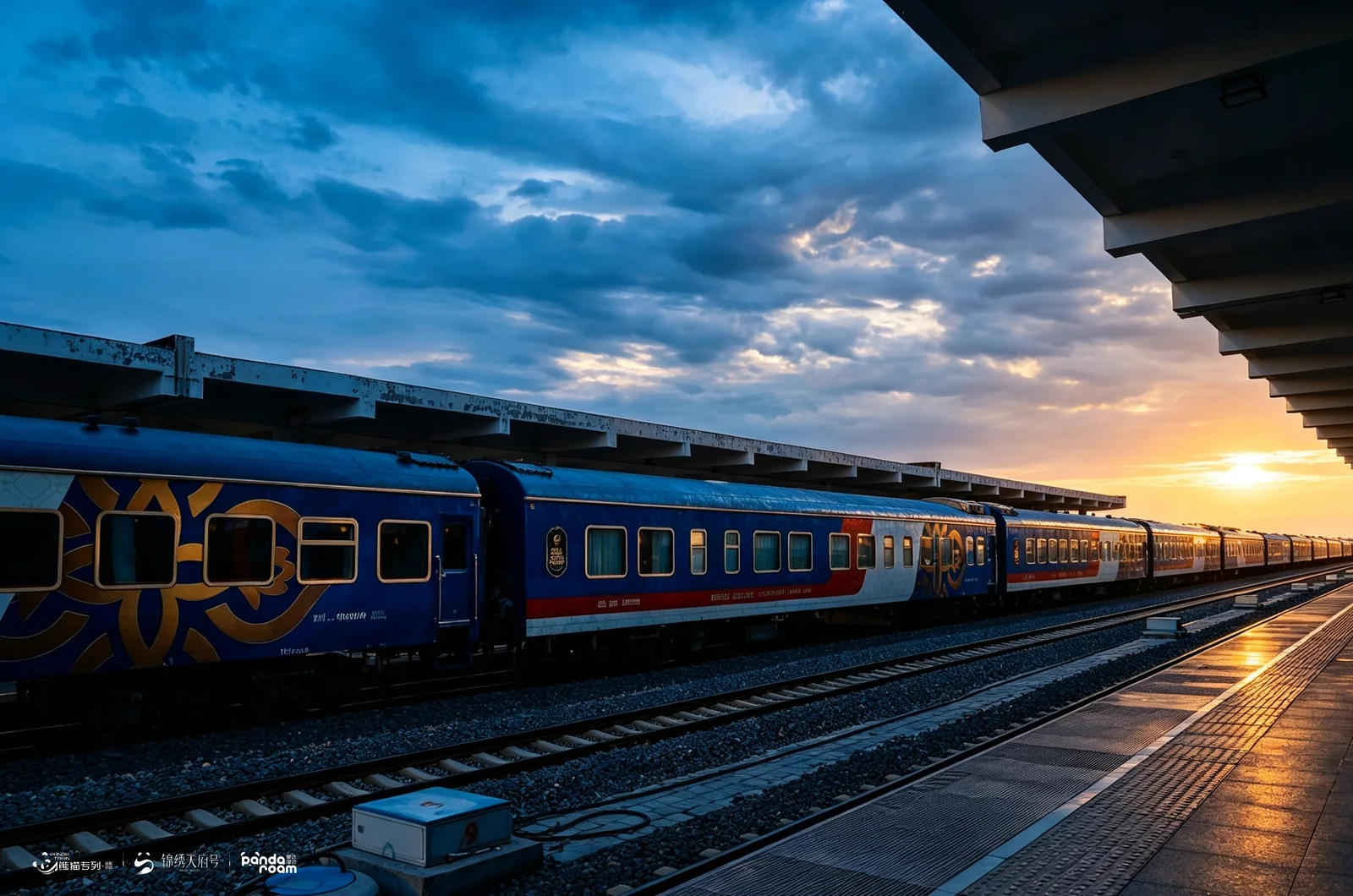
1. Railway operations and cancellation
Dates, stops, routing and duration follow final railway orders. Central dispatch may be affected by emergencies, timetable changes, works, incidents, vehicle faults, traffic conflicts or other events beyond reasonable control. Where practicable, the agency gives seven days' notice of changes affecting the itinerary and five days' notice if the train cannot operate. The source excludes agency liability for breach arising from these events.
The train operates on a charter basis. Deposits are non-refundable for personal cancellations; the balance is due 30 days before departure. Cancellation charges are 50% of the total price at 15–29 days before departure, 85% at 1–14 days, and 100% on departure day. A substitute traveler may be nominated at least three days before departure without cancellation loss. These supplementary terms prevail over conflicting provisions in the main contract.
2. Prices and promotions
The agency may set prices and offer membership subsidies or promotions under its sales policy. Prices can change after booking; subsequent reductions do not entitle guests to a refund of the difference.
3. Group conduct
Follow the guide's arrangements at the destination. Leaving the group without permission or joining another group's activities is at your own risk. Guests bear consequences of lateness, being unreachable while away, or related itinerary disruption; the agency accepts no responsibility.
4. Free time
Unless the itinerary states otherwise, drivers and guides are not provided during free time. Guests are responsible for their personal safety and belongings.
5. Feedback and complaints
Raise service concerns promptly with the local host or guide; contact the booking sales office if unresolved. Complete the destination feedback form truthfully and fully, as it is the principal complaint record. The source states that later disputes arising from inaccurate, incomplete or missing feedback forms will not be accepted.
6. Force majeure and group arrangements
The source excludes company liability for costs, losses and legal consequences of prolonged air, rail or ferry delays, cancellations or interruptions caused by weather, disasters, policy, military action or events beyond reasonable control. If an attraction cannot be visited, the contractual ticket price is refunded; guests bear extra expenses. The agency reasonably coordinates changes and may reorder visits and stays without lowering standards. Observe meeting times, remain with the group and avoid delaying others.
7. Independent high-risk activities
Assess health and age before independently undertaking diving, parachuting, skiing, skating, gliding, hunting, climbing, expeditions, martial arts, wrestling, stunts, horse or motor racing, bungee jumping, karting, rafting or horse riding. The agency advises unaccompanied minors, people over 55, those with heart conditions and other unsuitable guests not to participate. Voluntary participation or an agreement signed by a representative indicates acceptance of inherent risks. Guests are responsible for injury caused by their own condition or conduct.
8. Illness, age and insurance limits
The source advises people with severe heart disease, hypertension, diabetes, pancreatitis, coronary disease, cancer or similar conditions, and those aged 80 or over, not to join. Guests bear costs and responsibility for undisclosed illness. Insurers may refuse guests over 75 or under three, or legally reduce cover to 50% of the standard amount. Claims follow policy terms; guests bear any shortfall.
9. Changes to visit order and operations
The agency may change the order of visits or cities without reducing included attractions. The source excludes liability for breach where landslides, snow closures, congestion, strikes, railway changes or other force majeure alter the route or end the trip earlier or later.
10. Destination conditions
Hotel and dining standards in some destinations may differ from more developed inland regions. Climate, food and environmental changes may cause discomfort; bring your usual personal medicines.
11. Room allocation
Couples share a room where overall allocation permits. If this leaves an unmatched solo traveler, the guide or escort may separate couples or arrange an extra bed. Single occupancy requires the relevant supplement.
12. Accident response and claims assistance
Local hosts will assist with hospital examinations, treatment and insurance claims as required by law. Report property loss or injury where it occurs and obtain necessary medical examinations. Guests who choose to continue without reporting or examination bear subsequent consequences and costs; the source excludes further agency compensation in that situation.