
Ili route notes · Route A
Jinxiu Tianfu Route A: Nalati, Duku and the road to Kuqa
Read the five-day Ili–Kuqa Route A on Jinxiu Tianfu Express: the road journey, four hotel nights, Kuqa visits and the separate arrangements needed for international guests.
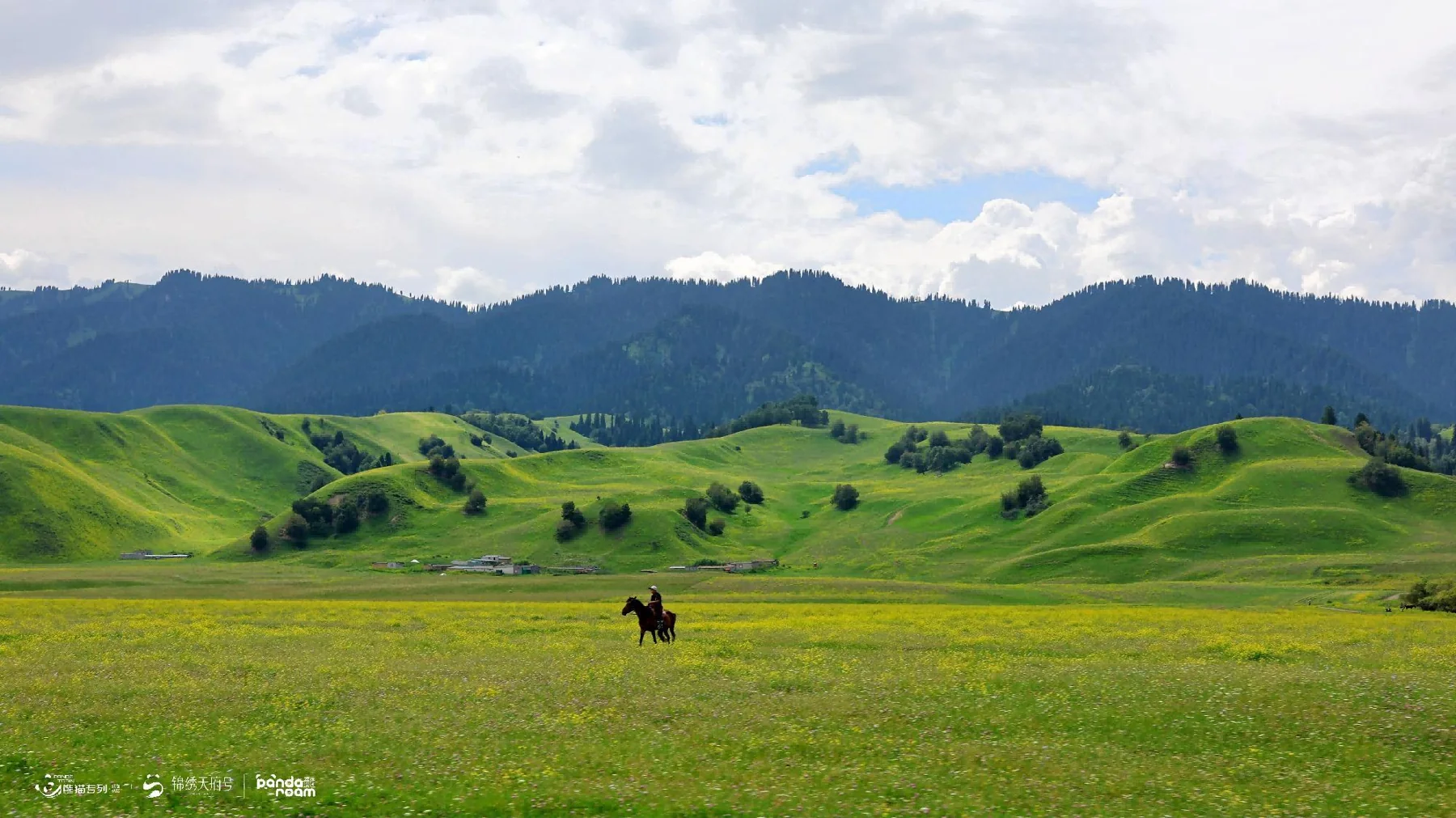
A mountain road in the Duku Highway material. · PANDA TRAIN · JINXIU TIANFU customer material
Choosing Ili Route A on Jinxiu Tianfu Express means setting aside part of a railway holiday for a continuous journey by road. After Sayram Lake, the programme moves through Nalati and towards Bayin before reaching Kuqa. The movement between landscapes is part of the experience, and it takes time that a simple list of attractions can hide.
These five days fall on D6 to D10 of the published 16-day Xinjiang programme for 2027. The standard road version has four consecutive hotel nights, with a return to the train on the evening of D10. The customer material describes separate detours for international guests. Understanding that distinction is the first step towards knowing which itinerary would actually apply to your party.
Before you begin
- The standard A programme connects Nalati with the Bayin and Duku road sections.
- Its canyon visit falls on D9; Kizil Caves and Qiuci Museum follow on D10.
- An international guest needs a separately confirmed itinerary covering both required detours.
Decide how much of the holiday you want to spend on the road
Some travellers want longer in one place. Others enjoy seeing the landscape change as a journey moves forward. Route A is built around that second pattern. Road travel connects its destinations and occupies part of the daylight available for visits. Before choosing it, consider whether everyone in your party shares that interest, or whether they would prefer more time in one grassland area.
A line on a map can obscure the difference between vehicles. The Duku experience is by road. The train carries the wider journey between regions and towards or from Chengdu; ground vehicles handle the visits within this section. Reading those movements separately helps you plan for rest, photography and luggage. It also avoids the mistaken expectation that the train itself crosses the mountain road. Neither the map nor a mountain photograph describes a railway view.
Read the published 2027 programme
Follow the sequence from the lake to the railway
The operator's customer material starts Route A at Sayram Lake and brings it back to the train after the Kuqa visits. This table retains the structure of the standard road programme. Named hotels are reference arrangements. The words “or equivalent” matter, and the actual property, room allocation and night should be checked together in the final itinerary.
The timing of the Kuqa attractions deserves attention. Route A visits the canyon on D9, then the caves and museum the following day. The presence of “Kuqa” in several options does not make their schedules identical. Kuqa Old Town should not be added to A simply because it appears in the other routes.
| Day | Main programme | Overnight connection |
|---|---|---|
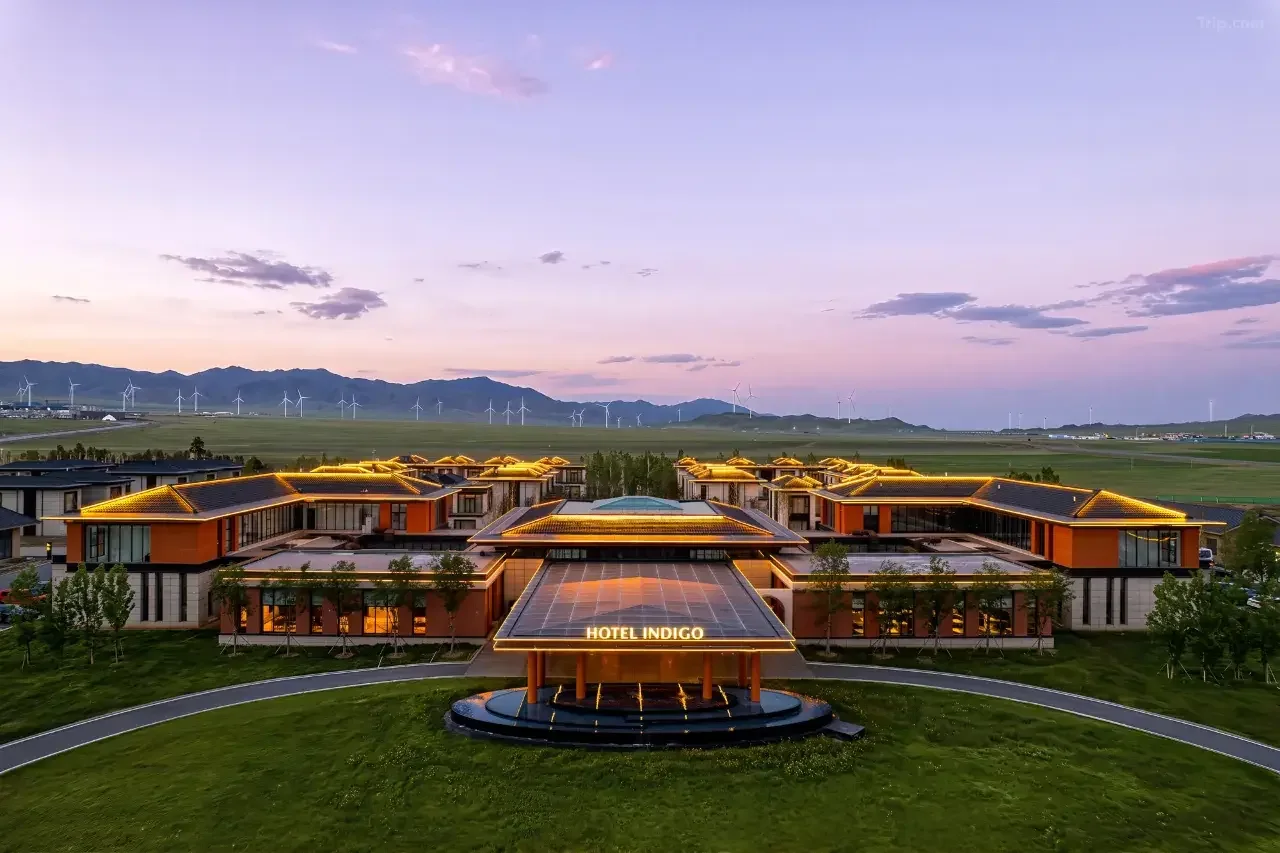
| D6 | Sayram Lake | Hotel Indigo at Sayram or equivalent |
| D7 | Tianshan Sea of Flowers and Nalati | Hotel Indigo Nalati or equivalent |
| D8 | Nalati and the Bayin direction | Holiday Inn Bayinbuluk or equivalent |
| D9 | Duku Highway, Kiziliya Canyon and refreshments | Kuqa hotel as confirmed in the accommodation list |
| D10 | Kizil Thousand-Buddha Caves and Qiuci Museum | Evening train towards Kashgar |

Nalati and Bayin need more than a place-name check
D7 pairs the seasonal flower area with Nalati, while D8 continues from Nalati towards Bayin. Grassland visits and progress along the road therefore belong to one connected section. “Sea of Flowers” identifies an element in the published programme; it does not establish bloom dates, flower coverage or photography conditions for every departure.
If Nalati is your main reason for choosing A, compare the areas visited, transfer points and time available for an unhurried walk. If the road is the attraction, ask the adviser to identify the stretches used and planned stops. One reading focuses on time spent within a grassland; the other follows a changing landscape along the way. They reveal different kinds of value in the same schedule.
Pack for four hotel nights away from the cabin
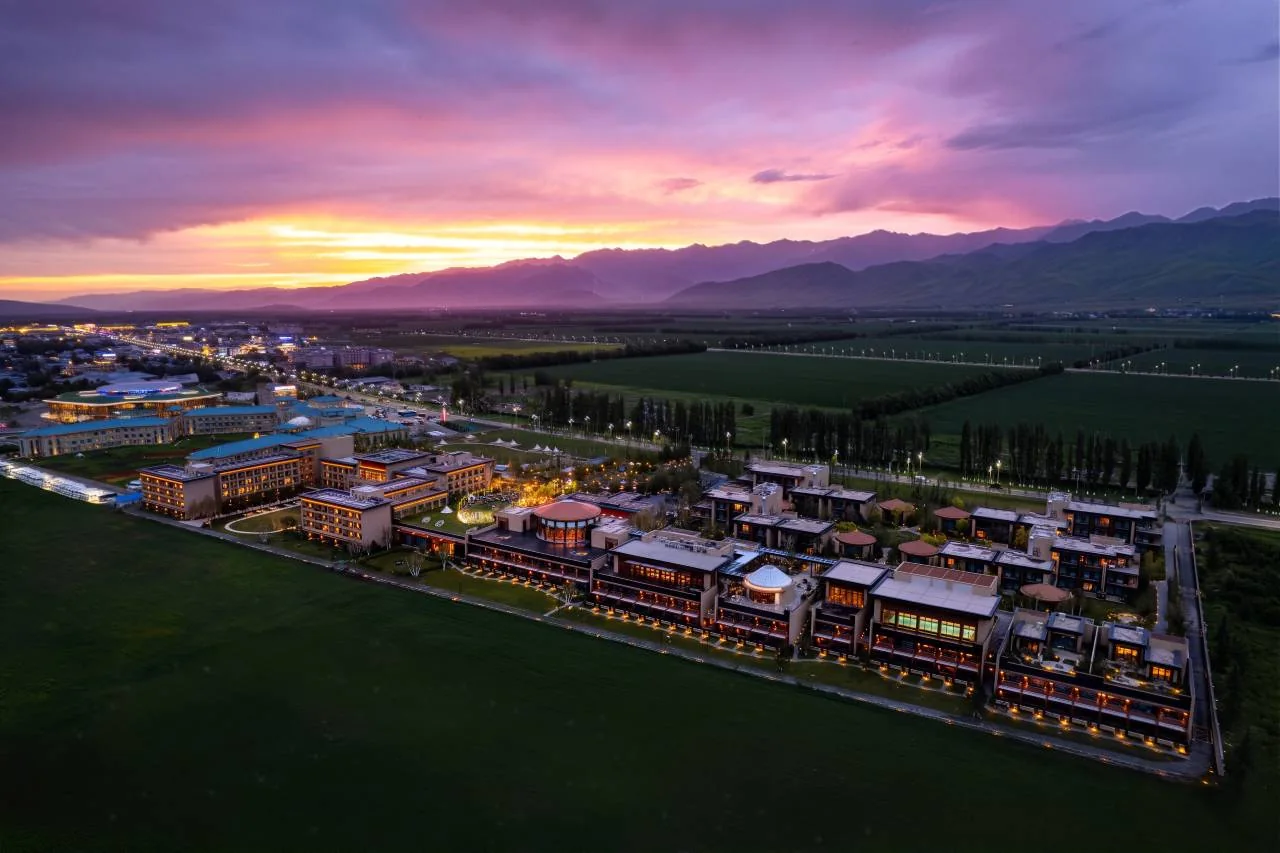
In the standard programme, Sayram, Nalati, Bayin and Kuqa each provide a hotel night. Your cabin remains part of the overall rail product, but it is not your sleeping place on those four nights. Prepare the essentials for a longer period away from it: everyday clothing, chargers and personal necessities should fit the confirmed luggage arrangements for the ground section.
The customer presentation describes luggage assistance and leaving large bags on the train. For Route A, clarify which bags travel with the ground vehicle, how they are identified and handed over, and when you can next reach items left in the cabin. Porter assistance does not, by itself, explain whether every case arrives at every hotel room each day.
Match the accommodation list to the applicable road version. In particular, the standard Bayin hotel cannot be copied into an international guest's detour programme. When comparing proposals, compare the location of each night before comparing hotel descriptions or room categories.
Check road access and guest arrangements separately
The standard Duku section depends on the road being open. The website's short route notice says the standard crossing cannot be selected when it is closed. It does not promise an opening date in 2027. A departure appearing in the train's calendar and the road being usable that day are separate operational questions.
Page 37 of the final English customer presentation gives a more specific instruction for international guests: choosing A requires separate detours at both Bayin Town and the Duku Highway. That material says the price remains unchanged. This is an instruction about the operator's product arrangements; it should not be presented as a general statement of Chinese law applying to every traveller and road.
The note does not supply a full replacement route, a revised hotel list or new visiting times. An international guest should receive that complete version before committing to A. If the detours remove the road experience you most wanted, compare B and C on their actual content. The letter “A” alone cannot tell you what survives an adjustment.
- Identify whether the proposal uses the standard road plan or a guest-specific adjustment.
- Keep affected visits, dates, transfers and accommodation in one revised table.
- Ask who will explain any later changes and how replacement services and charges are documented.

Use the Kuqa finish to change the focus of your visit
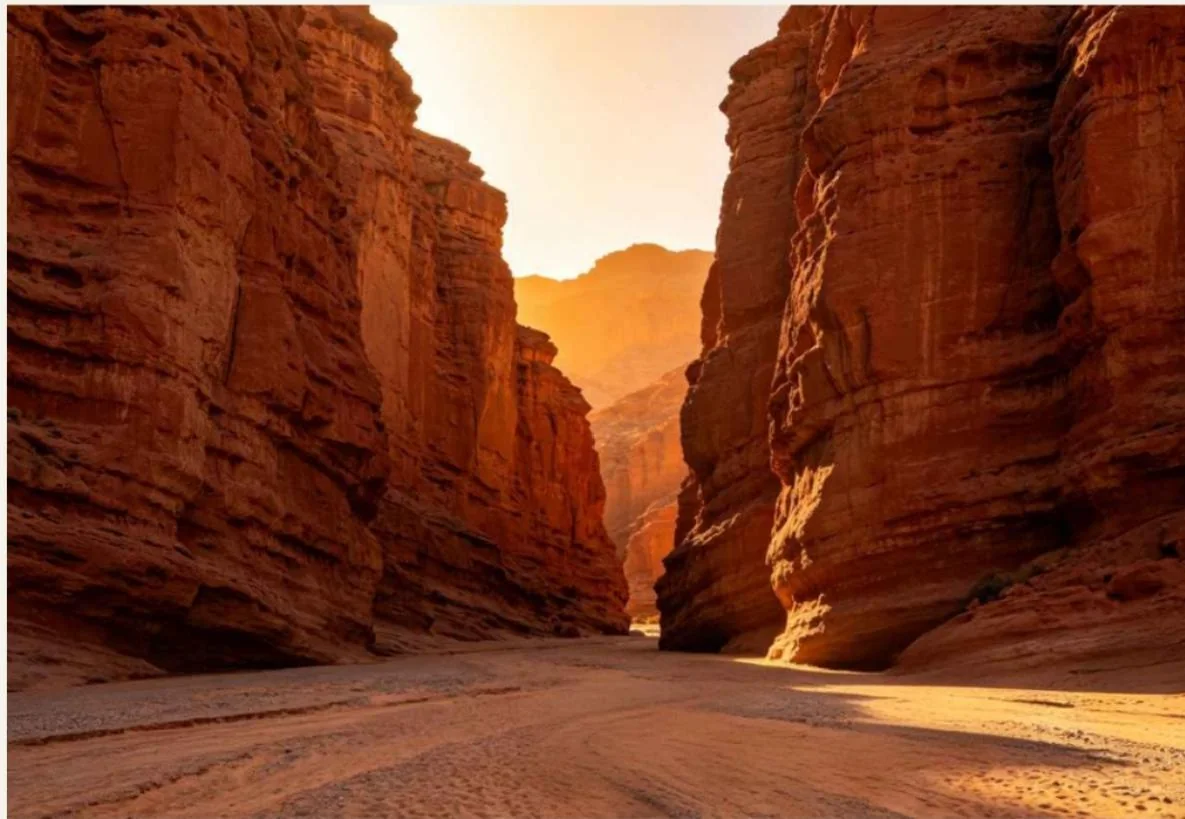
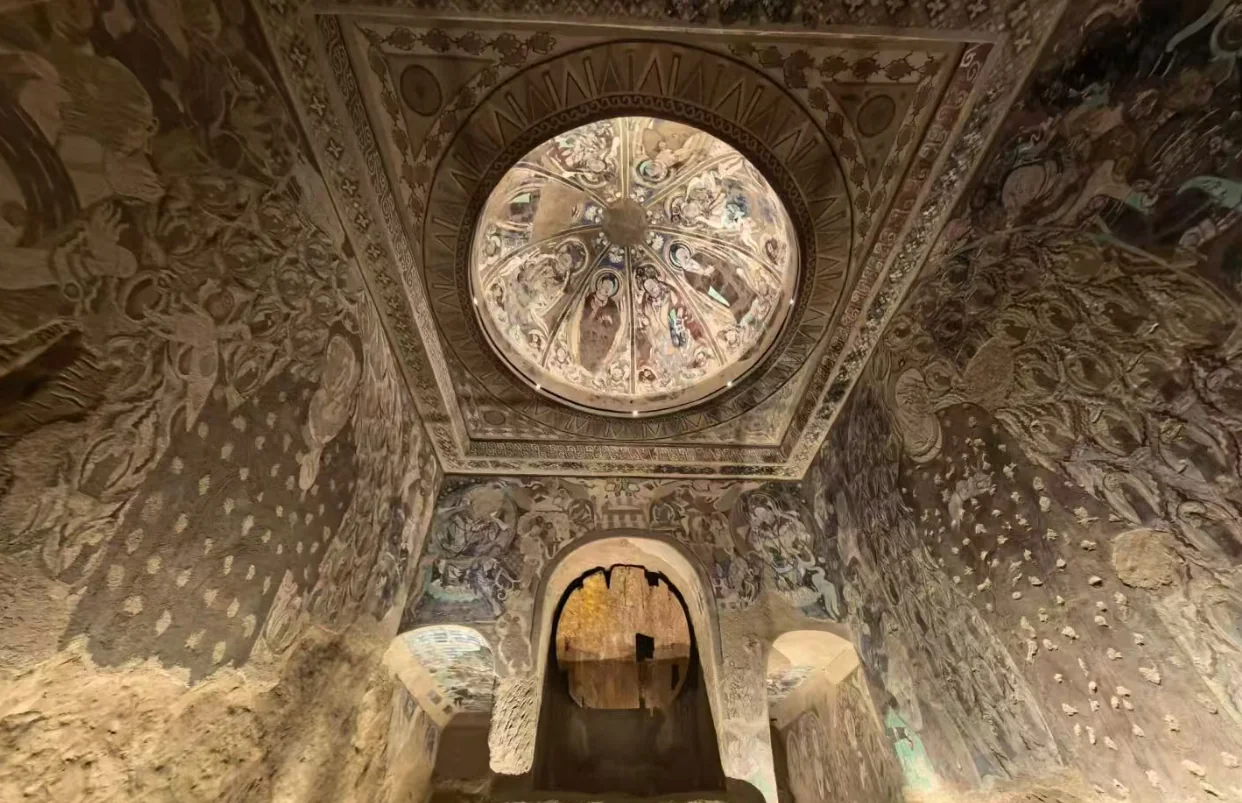
Kiziliya Canyon on D9 follows the mountain road section. Kizil Thousand-Buddha Caves and Qiuci Museum on D10 shift the emphasis towards cultural material. For planning, treat these as three different kinds of visit: a natural landform, a cave site and museum displays. Ask separately about walking, interpretation and visitor rules.
An attraction appearing in the programme does not mean every cave or gallery will be open, or that photography is permitted everywhere. Have the team explain the accessible areas and photography requirements for your visit. If detailed interpretation matters to you, confirm the language and guiding arrangements too. The word “museum” does not establish that a specialist lecture is included. This is a useful way to turn an attraction name into a clear expectation without inventing extra services.
Understand the Kuqa cultural section
Make two comparisons before choosing A
First compare movement with time in a place. A puts forward progress along the mountain road at the centre of this section. B concentrates its differences in seasonal grassland and forest visits. C begins with Jade Lake near Zhaosu and Xiata. Travellers drawn to a changing road landscape have a reason to investigate A closely. Those drawn to a lakeside stay or a particular grassland should read the other daily schedules first.
Then compare the standard plan with the version that can be delivered for you. A route letter is not enough to explain an international guest's detours. List the two experiences you most want to preserve and ask for a response to each. That gives the adviser a practical basis for a recommendation, rather than asking for whichever option is called the most classic.
Compare the two seasonal forms of BRead the lake and Xiata sequence on C
Include the hotel nights in your enquiry
An enquiry can be specific without being long: “I am interested in Ili Route A on Jinxiu Tianfu Express in 2027. Please confirm the road version for my departure and guest circumstances. Nalati and the Duku landscape are my priorities, and I need the overnight accommodation and luggage handovers.” Add your party size, cabin preference and language needs.
Ask for that A itinerary to sit inside the complete 16-day proposal alongside your Urumqi and Altay choices. If a change is needed, retain a comparison showing the affected visits and hotel locations. At that point, a scenic route on a map becomes an arrangement you can examine night by night.
Questions worth asking
Can I return to the train for belongings every day on A?
The standard schedule has consecutive ground stays on D6 through D9 and makes no promise of daily cabin access. Pack essentials for those nights and establish when you can retrieve belongings left on the train.
Can an international guest book the standard A table as shown?
The customer material allows an adjusted A selection but requires detours at both Bayin and Duku. Obtain the complete itinerary applicable to you, especially its overnight locations and retained visits.
Does A include Kuqa Old Town?
The standard A list contains the canyon, Kizil Caves and Qiuci Museum. It does not list Old Town as an equivalent inclusion. Old Town appears in B and C; adding it elsewhere needs separate confirmation.
Read A through its connections: the road, four hotel nights and the cultural visits at the end. Identify the experiences you want to retain, then check the version that applies to your party. That is the useful basis for deciding whether this part of the journey fits your expectations.
Sources and programme version
Reviewed on 23 October 2026 against pages 37, 41, 58 and 59 of the 2027 customer material and the website Route A description. The article distinguishes the planned standard itinerary from the adjustments described for international guests; operating details belong in the departure-specific written notice.