The Kucha cultural section · Read the sequence
Kuqa on Jinxiu Tianfu: Old Town, Canyon and Kizil Caves
Compare the Kuqa sequence on Jinxiu Tianfu’s 2027 Routes A, B and C: canyon, Kizil Caves, Kucha Museum and Old Town, with questions about interpretation and boarding.
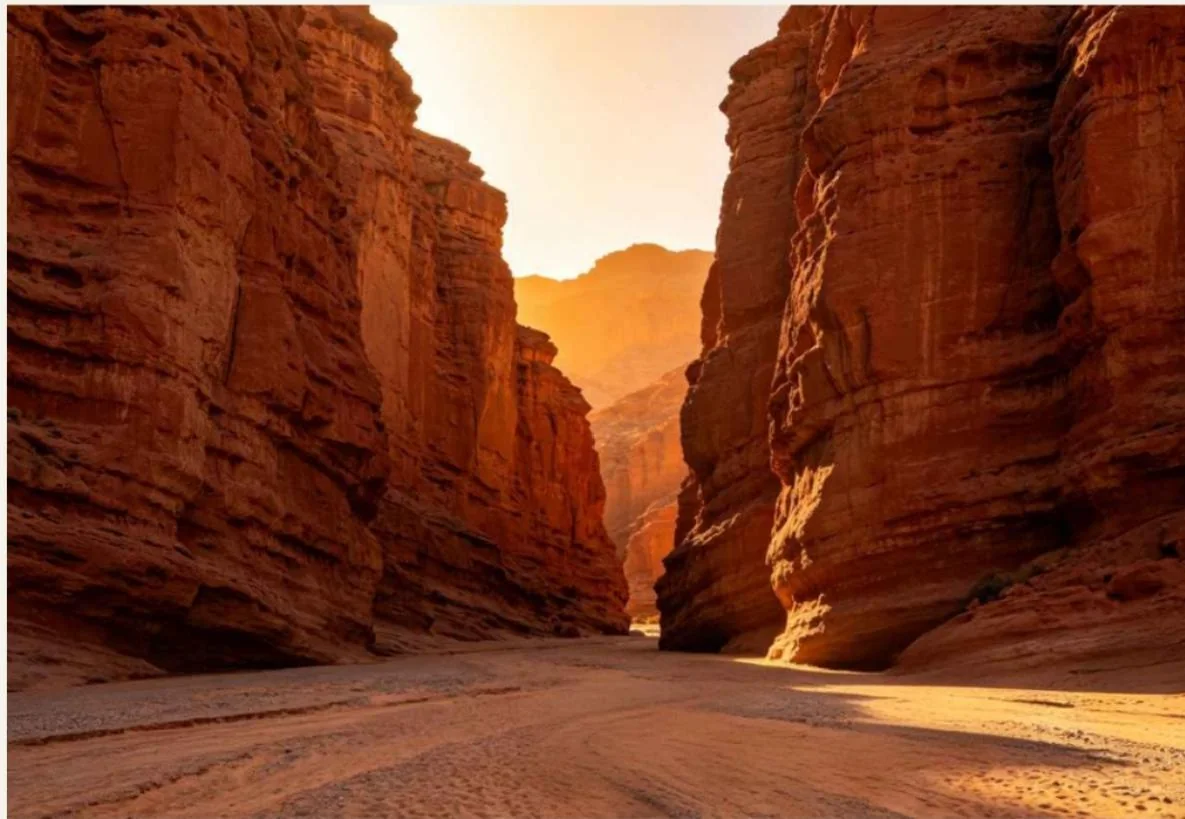
Rock walls of Kiziliya Canyon shown in the material. · PANDA TRAIN · JINXIU TIANFU customer material
Reaching Kuqa does not make Jinxiu Tianfu’s three regional options identical. In the standard 2027 Route A, Day 9 brings the canyon, followed by Kizil Caves and Kucha Museum on Day 10. B and C place the museum and Old Town on Day 9, with the canyon and caves the following day. Whether the Old Town is listed, and what you see first, depend on the route.
Calling all of this a “Kucha cultural tour” can hide those differences. This article reads the Kuqa section of PANDA TRAIN·JINXIU TIANFU EXPRESS through landscape, historical material and the present-day streets. Each option has its own visiting programme, and the exact content needs to be read alongside the arrangements for that departure.
Before you begin
- Standard A visits the canyon on Day 9, then the caves and museum on Day 10; its day sheet does not list Kuqa Old Town.
- B and C list the museum and Old Town on Day 9, then the canyon, tea break and Kizil Caves on Day 10.
- Museum displays, caves and streets reward different kinds of attention. Establish interpretation, access and photography arrangements with the receiving team.
Begin with the order of the two days
Standard A approaches this section by road. The canyon and tea break fall on Day 9, followed by a Kuqa hotel, while Day 10 turns to the caves and museum. B and C use the overnight railway connection from Yining to Kuqa on the eighth night, then follow their museum and Old Town programme on Day 9. Those approaches give the options different rhythms.
The table compares only what the material lists. Route A for international guests requires diversions around Bayin and Duku, and the replacement day sheet must be supplied separately. If you receive an adjusted version, check its Kuqa section afresh rather than assuming that every detail follows the standard road programme.
| Choice | Day 9 | Day 10 | Old Town status |
|---|---|---|---|
| A: standard road programme | Duku Highway, Kiziliya Canyon and tea break; Kuqa hotel | Kizil Caves and Kucha Museum; evening train | Not listed in the standard day sheet |
| B | Kucha Museum and Kuqa Old Town; Kuqa hotel | Kiziliya Canyon, tea break and Kizil Caves; evening train | Listed on Day 9 |
| C | Kucha Museum and Kuqa Old Town; Kuqa hotel | Kiziliya Canyon, tea break and Kizil Caves; evening train | Listed on Day 9 |
Give rock faces, historical objects and streets different attention
The canyon presents a natural space: the height of a rock face, a turn in the path, and the scale of a person within it. Caves and museum displays turn attention towards human activity, art and historical material. Old Town streets invite observation of a living environment. These visits can complement each other without being approached as the same kind of photograph.
Xinjiang’s culture and tourism department describes the Kucha Research Institute’s work as the conservation and study of the region’s cave groups, including archaeology, mural copying and digital documentation. That context matters. A cave visit concerns cultural heritage under continuing care and study, rather than a photographic setting where lighting and shooting can be arranged at will.
You need not memorise every name before departure. Three questions can provide a starting point: how was this space used, what can the material tell us, and what still needs interpretation? Following the explanation in search of those answers can create connections more readily than beginning with a long list of dates.
Xinjiang tourism department: the Kucha Research Institute
The museum can introduce a visit or help you make sense of it
On B or C, the museum comes on Day 9, before the caves on Day 10. Note a place, image theme or material mentioned in the interpretation, then look for connections on the following visit. This suggests a way of reading the journey; it does not promise that a particular object will be exhibited or that a cave shown in the photographs will be open.
Standard A puts Kizil Caves and Kucha Museum into the tenth day, concentrating the information. A question that arises at the caves can be carried into the later museum visit. Observing a setting and then organising those impressions through an exhibition offers another way to understand the region. Follow the day’s explanation if the practical order changes.
English-speaking guests should establish who will interpret at each venue, which language will be used and whether translation is arranged. Having someone able to communicate with the group does not automatically provide the same language support within every specialist venue. Clarifying this helps each companion judge how they will follow the visit.
Make the Old Town an explicit preference
If streets and local surroundings are central to your trip, the Day 9 entry for B and C is more useful than a general statement that all three routes reach Kuqa. Those two options name the Old Town; standard A does not. Say that you would like to retain this visit, rather than expecting it to be added simply because the journey reaches the city.
Ask which area the group will visit, who will explain it, whether there is time for your own observations and where everyone will meet. The product material supplies no fixed shops, artisan visits or home visits, so none is added here as an included service. If conversation with local people interests you, ask the team what would be appropriate.
Seek permission before photographing a person, and follow the access allowed in a space that people are using or trading from. Discuss the pace with your companions too. One person may want to study a doorway or sign while another prefers to follow the commentary. Sharing those preferences with the leader helps make them understood.
Understand the canyon through its transfer and walking plan
The material lists Kiziliya Canyon with a private tea break, but gives no universal walking distance, step count or interval between resting places. Request the walking description for your departure if these conditions affect your choice. A photograph shows the rock formations; it does not establish that every traveller can follow the same distance.
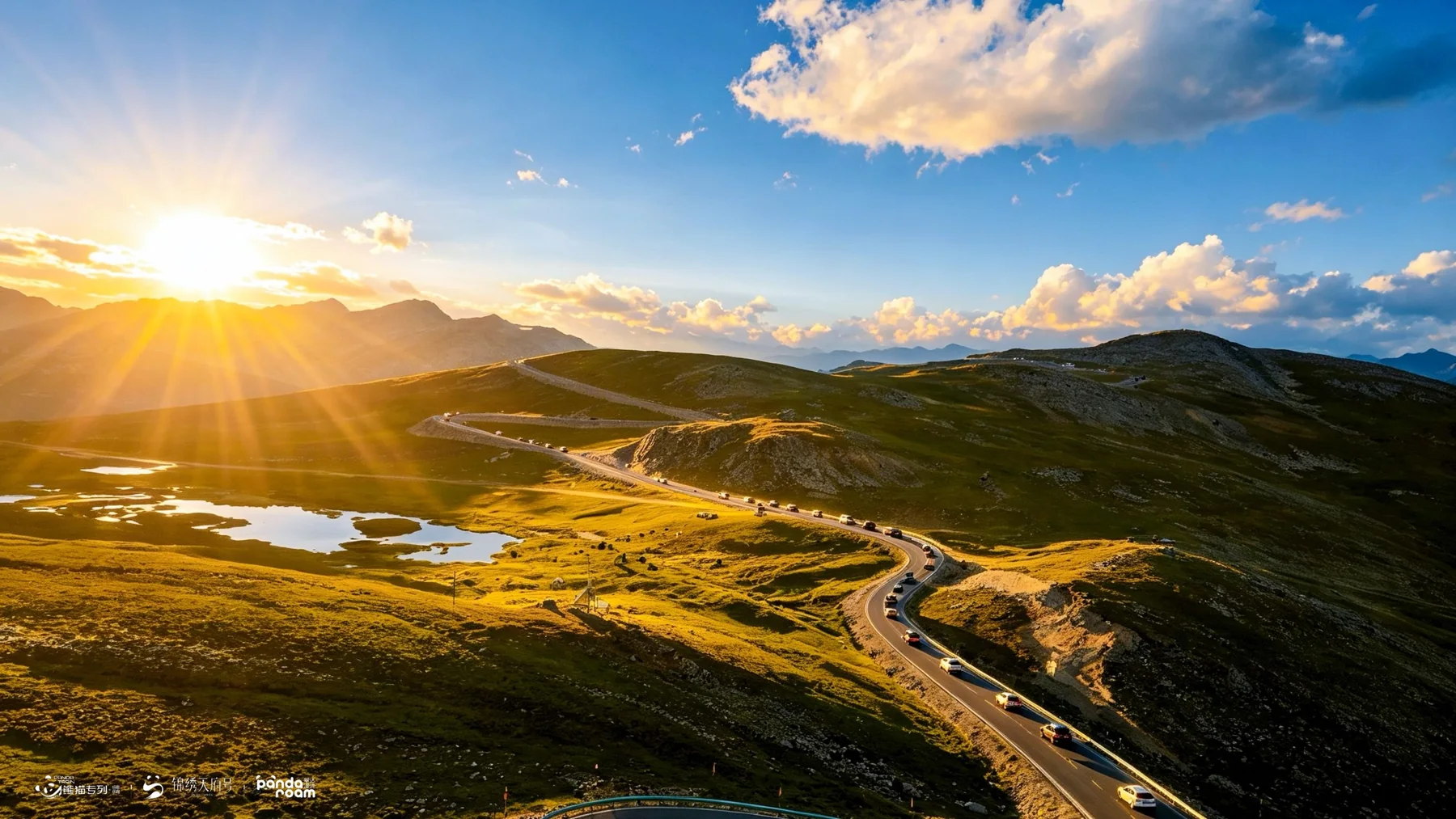
A connects the canyon with the Duku road section. B and C pair it with the caves on Day 10. For the first, ask how sightseeing and rest follow the mountain-road journey. For the others, ask how two different types of visit fit into a day. In either case, meeting and meal arrangements matter more than a simple attraction count.
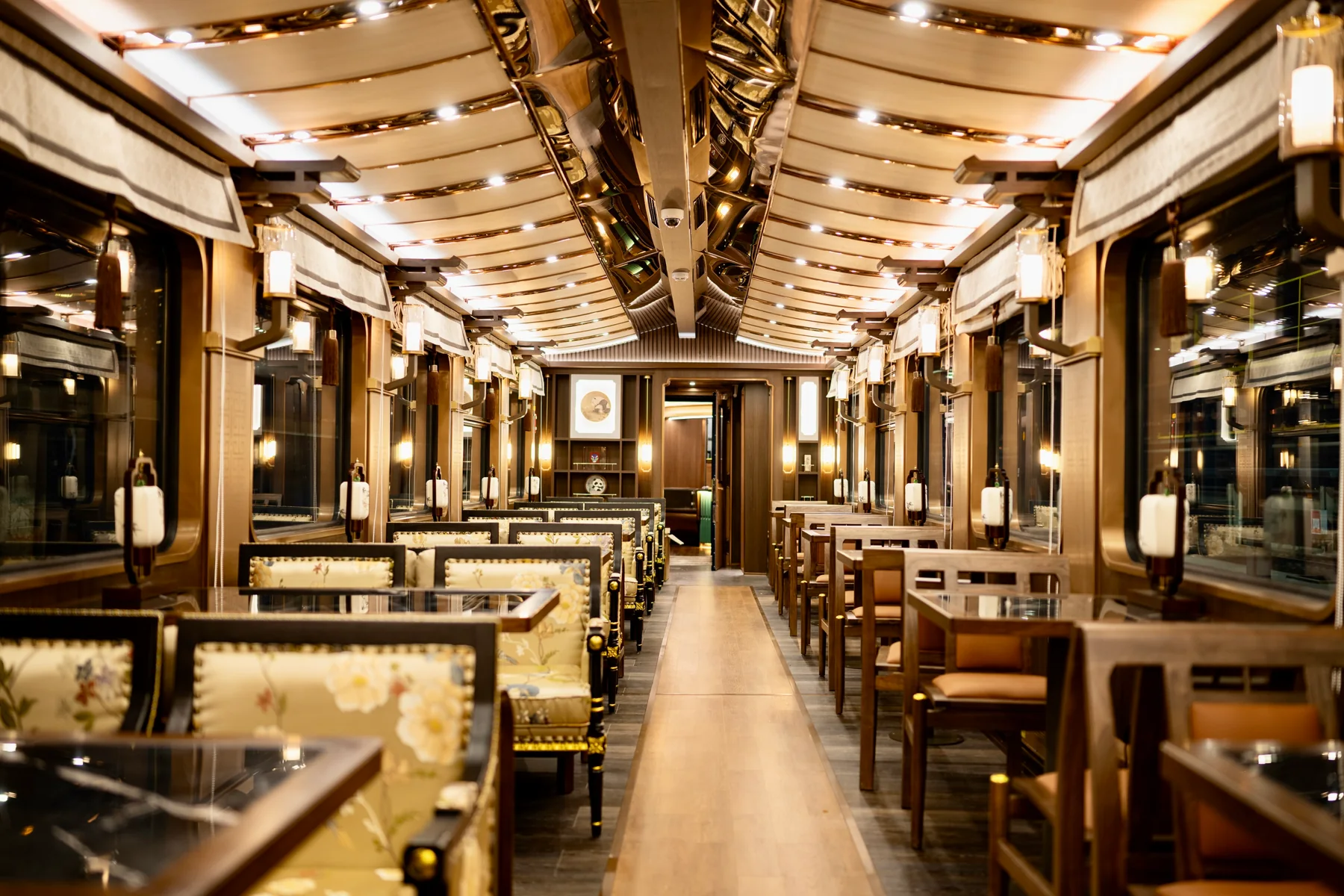
The tea break deserves concrete questions too: where it fits, what is provided and how it changes with weather or local circumstances. Those answers help you understand the planned pause without having to infer the whole day’s service from an image of refreshments.

Leave attention for both the caves and the evening connection
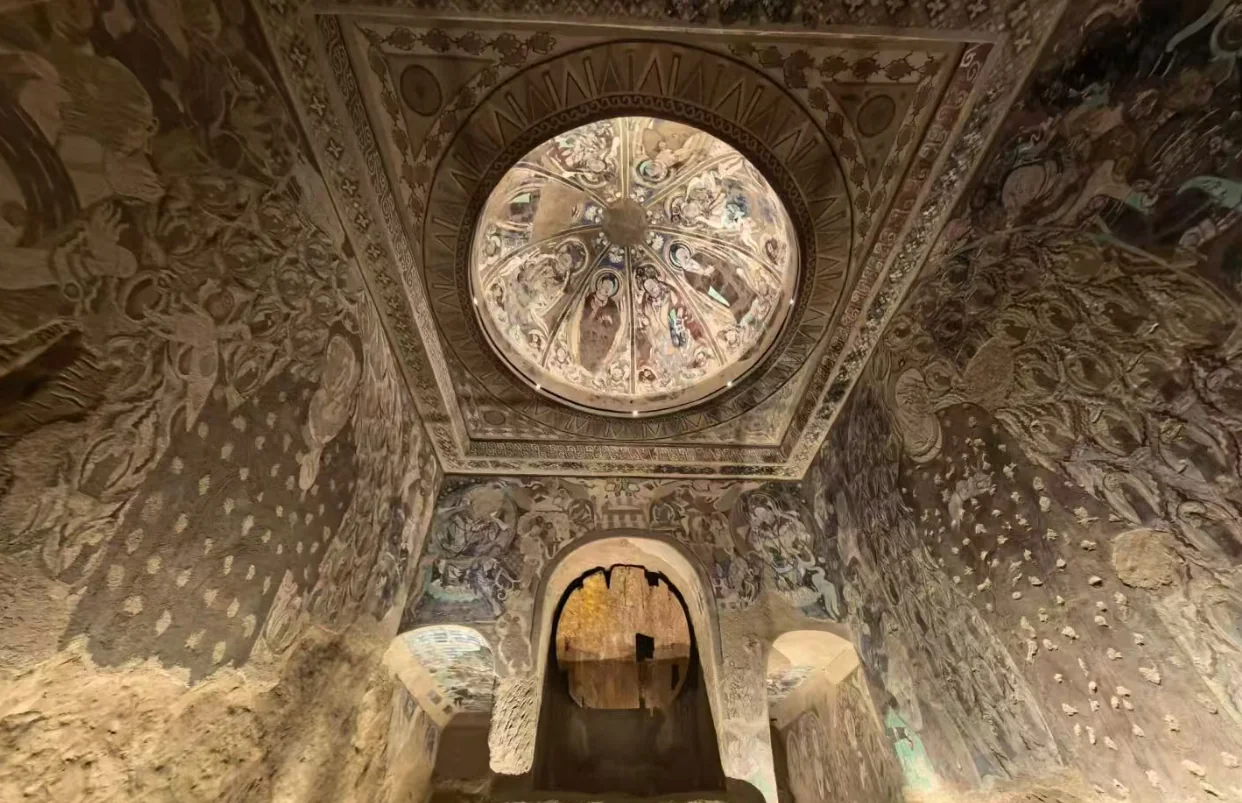
A mural photograph can create an expectation of one particular scene. In practice, the cave selection, access, photography and lighting requirements follow the venue’s arrangements for the visit. Explain your interests beforehand and ask the team to obtain the applicable visitor information. That is more reliable than treating promotional images as a guaranteed viewing list.
All three standard programmes return to the train on the evening of Day 10 and continue towards Kashgar. Keep the day’s camera, documents and personal items in mind alongside baggage handover and boarding information. The overnight train carries the journey onwards; it does not mean a sightseeing stop can be extended without limit.
If interpretation is a particular priority, make the request specific: perhaps mural themes, material conservation or links between museum displays and the site. The team can explain the support it can arrange. A dedicated scholar, extended opening or access to special caves is not offered as part of this article.
Keep a short note for your own Kuqa visit
Once you have chosen, record four things: the order of the two days, what you most want to understand, any language or walking requirements, and the arrangements for rejoining the train. This is easier to use during a journey than a long copied list of places, and helps the sales manager identify the details that matter to you.
Companions with different interests can agree on one shared focus, then bring a question or two of their own. Someone drawn to scenery may notice the space within the canyon; someone interested in history can carry questions into the museum. Talking about what each of you noticed can give these two days a clearer place in the wider journey.
Questions worth asking
Does Jinxiu Tianfu Route A include Kuqa Old Town?
The standard A day sheet reviewed here does not list it. Day 9 covers the road, canyon and tea break; Day 10 lists the caves and museum. If the Old Town matters to you, ask explicitly about a variation or compare B and C, where it is listed.
Why choose between B and C if their Kuqa days are alike?
The listed Kuqa visits on Days 9 and 10 are similar, but the preceding Ili sections differ. B’s grassland and forest programme, or seasonal Nalati version, does not replace C’s Zhaosu, Xiata and lakeside stay. Compare each complete regional option.
Will I enter the cave in the photograph and be able to take pictures?
A source photograph does not confirm access. Obtain the applicable visitor arrangements and follow the venue’s rules for caves, photography and lighting. The images explain cultural material; they are not booking receipts for a specific cave.
Is this offered as a separate two-day Kucha tour?
This article explains part of the full 2027 Jinxiu Tianfu Xinjiang programme. It does not quote a standalone two-day product. A booking still needs the complete departure, cabin, regional choices and corresponding services.
Be specific about what you want from Kuqa. Would you like historical context before streets and caves, or a canyon visit connected to the mountain road? Reading the two days with those preferences in mind makes the choices clearer than a single cultural-tour label.
Sources and programme version
Prepared from the Jinxiu Tianfu English customer material dated 11 October 2026, pages 37, 42 and 45, and the current product implementation; checked on 23 October 2026. Only listed standard-programme content is described. International-guest adjustments, venue access, practical order, interpretation and the evening train require the documents for the selected departure. Cultural context refers to the Xinjiang tourism department’s Kucha Research Institute description dated 12 February 2026.