Regional decisions · A practical planning sheet
Jinxiu Tianfu Route Checklist: Turn Preferences into a Travel Brief
Organise your 2027 Jinxiu Tianfu regional choices, companions’ needs and cost questions into a clear inquiry covering Urumqi, Altay, Ili and Kuqa.
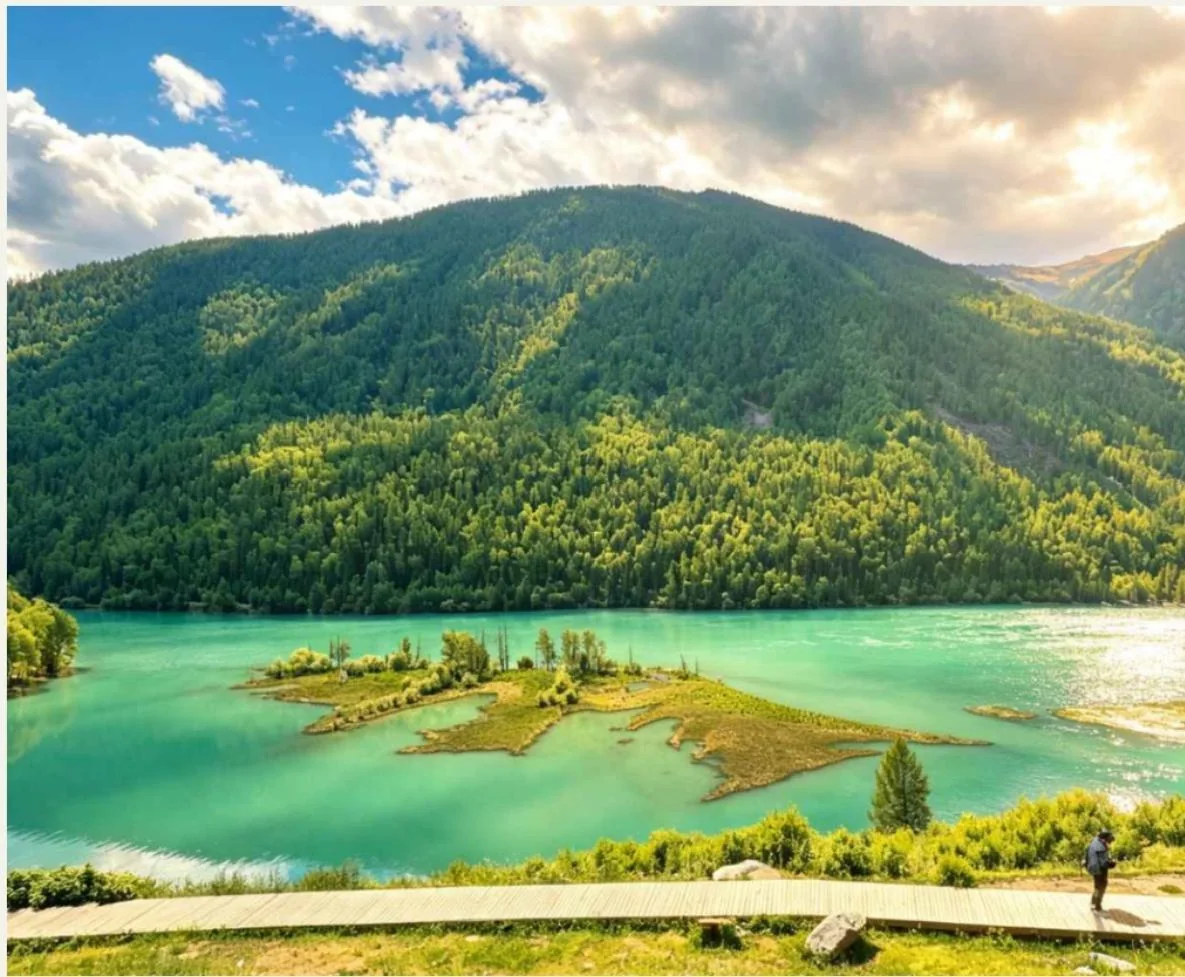
A Kanas lakeside scene in the itinerary material. · PANDA TRAIN · JINXIU TIANFU customer material
After reading several routes, the next step is to turn preferences into a proposal that can be discussed. You may want the Duku Highway while a companion favours Jade Lake. Everyone wants to visit Xinjiang, but the group may not yet agree where to put its time. Sorting out those differences makes an inquiry more useful than requesting another large bundle of brochures.
This checklist is for the regional choices in Tianfu’s 2027 northern and southern Xinjiang programme. It brings dates, routes and the travelling party together. The separate official booking guide handles channel identity, contracts and payment checks once the proposal is clear.
Before you begin
- Always write the region beside a route letter.
- Record conditions that must be met before discussing experiences you can trade.
- Read costs in separate groups: the base programme, regional additions, accommodation changes and personal extensions.
Separate fixed conditions from flexible choices
Fixed conditions often come from the calendar and the people travelling: the earliest you can leave, the latest you must be home, the number of companions and any essential bed or assistance requirement. Write them down first. They help remove unsuitable dates and keep the growing list of appealing places within a real holiday window.
Flexible choices concern the emphasis on road scenery, grassland and forest, lakeside time or cultural visits. Ask each person for one experience they most value and something they would be willing to reduce in exchange. This gives the discussion direction instead of turning every attractive picture into a requirement.
For example, two companions may both like grassland. One values changing views on the road; the other cares about a distinctive overnight stay. Routes A and B can then remain under comparison, with transport and accommodation as the questions to resolve. This method does not assume a winner or combine the two into a programme that the product does not offer.
Keep the reason beside each preference. It will still be useful if a date or arrangement changes, because the team can understand the need behind the original choice.
Record each of the three regions
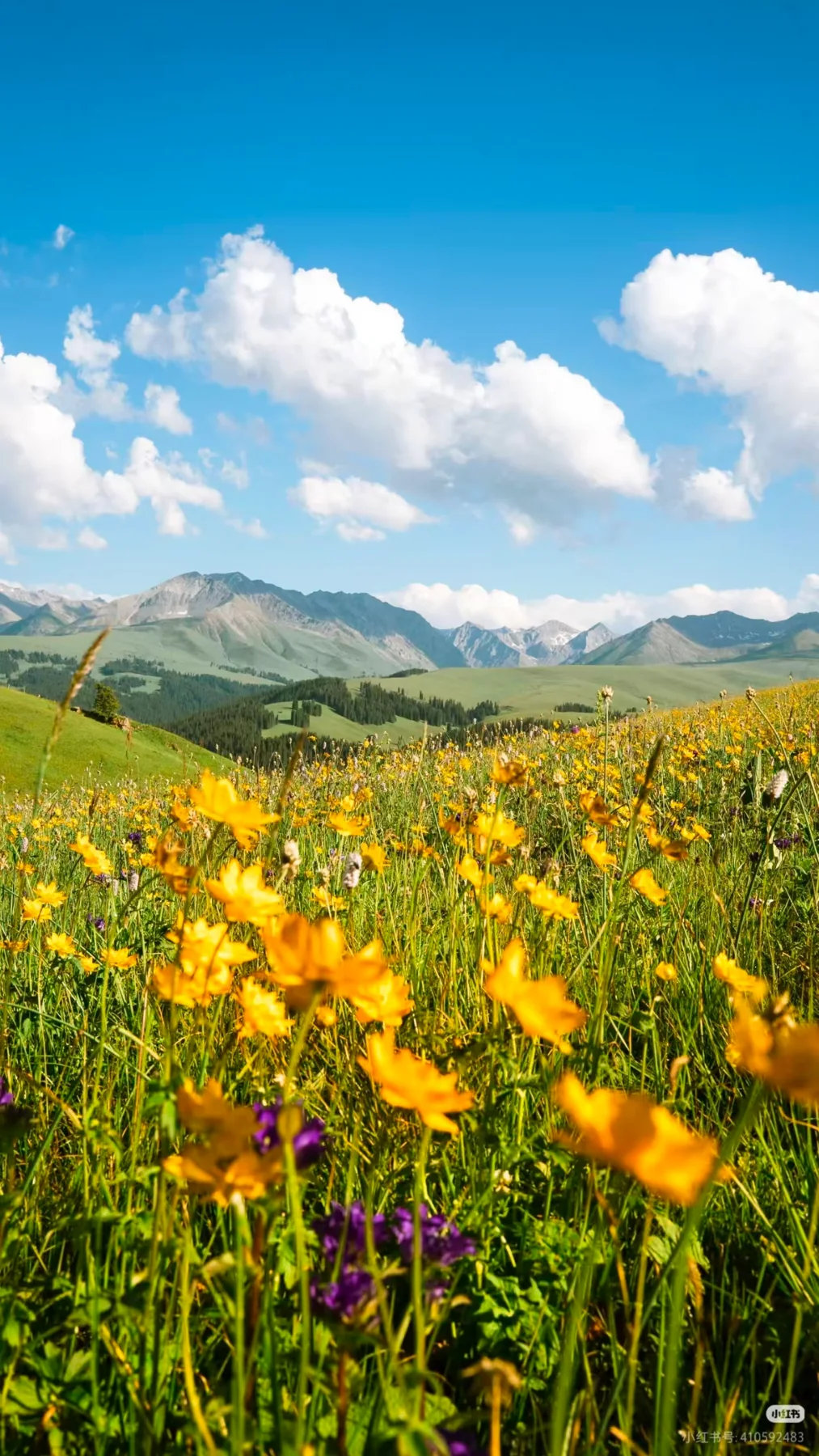
The current website selects Urumqi A or B, Altay A or B, and Ili with Kuqa A, B or C. Multiplying those choices gives twelve combinations. That number describes the structure; it cannot make the decision for you. Record what you chose in each region, why, and which question might change your mind.
A short region–option–reason format works well. The reason can be a preference for a village stay, interest in a particular road or a wish to retain a lake experience. If undecided, list two candidates and the detail you want compared. This is better than leaving an adviser to guess what matters to you.
| Region | Write your choice | Explain the preference | Question still open |
|---|---|---|---|
| Urumqi | A or B, or explicitly undecided | What you most hope to experience after arrival | Stops, transfers and the day’s pace |
| Altay | A or B | Your interest in villages, lakes or another focus | Accommodation and visits on the selected route |
| Ili and Kuqa | A, B or C, with the season | Roads, grassland and forest, or Jade Lake and Xiata | Road conditions, hotels and relevant additions |
| Common later section | Confirm that Days 11 onward have been read | Expectations for southern culture and the return | Specific arrangements needed by companions |
Use one main priority to compare the Ili days
Read Route A through its road experience. The ground connections between Nalati, the Duku Highway and Kuqa matter if changes in the landscape along the way are part of your reason for travelling. Examine how each day connects instead of simply counting familiar attraction names.
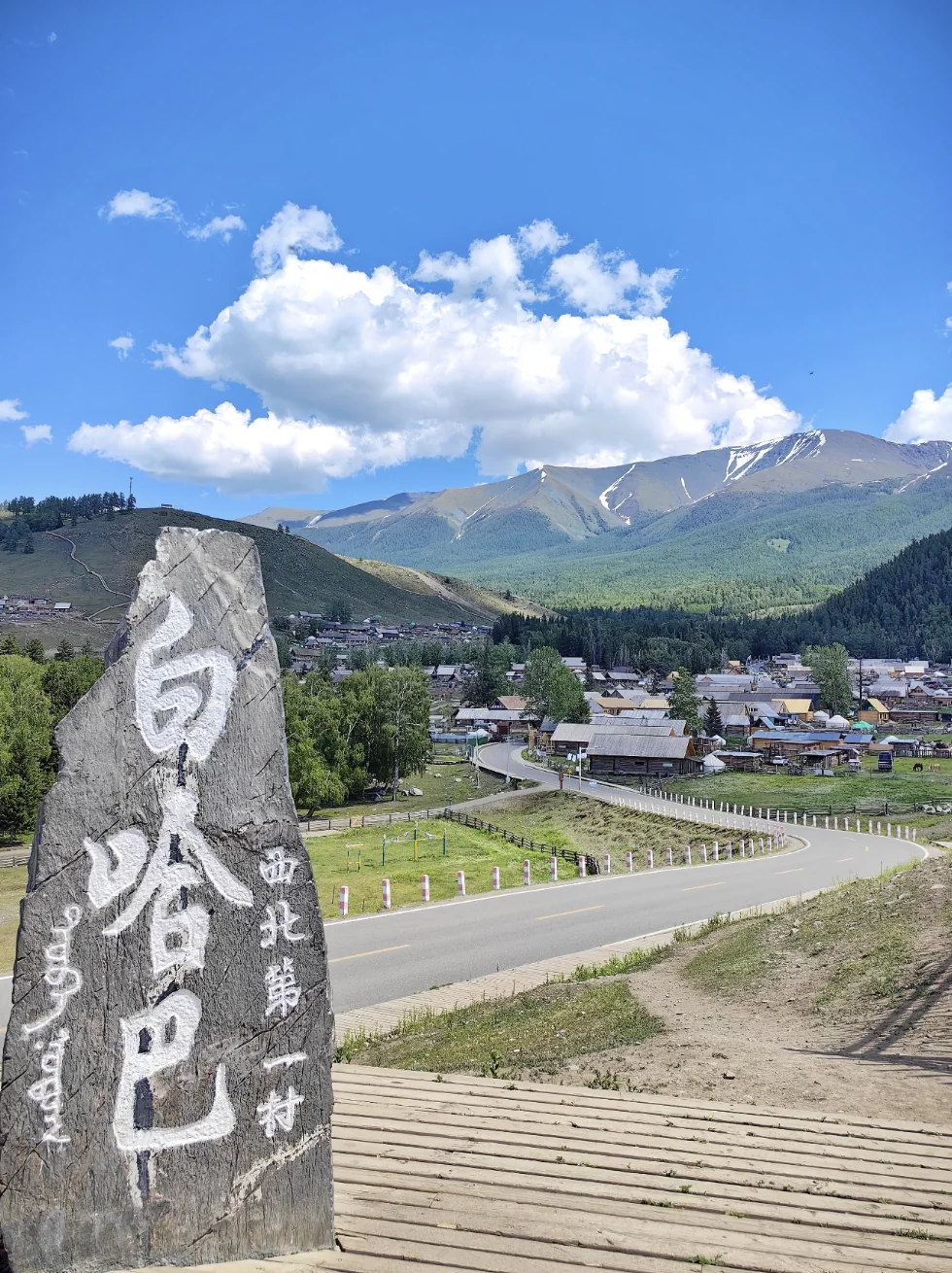
Read Route B through grassland, forest and accommodation. The Pastoral and autumn versions have different arrangements, so include the season when specifying B. If a camp or hotel is important to you, record it as a condition and establish whether it belongs to that version.
Read Route C through the order of Jade Lake, Xiata and Sayram Lake before the Kuqa cultural section. Its sequence of stops differs from a highway-led or grassland-camp programme. Relevant additional costs also need to be confirmed. Explain whether the lakeside setting, valley visit or accommodation is the main attraction so the adviser can describe what the proposed departure includes.
All three options occupy Days 6–10. A distinctive activity on one route should not be treated as an inclusion for everyone. Choose a main proposal and retain another for comparison; that is easier to resolve than mixing attractions from all three in one daily itinerary.
Route A: Nalati, the Duku Highway and KuqaRoute B: grassland and forest by seasonRoute C: Jade Lake, Xiata and Kuqa

Bring companions’ needs into the same proposal
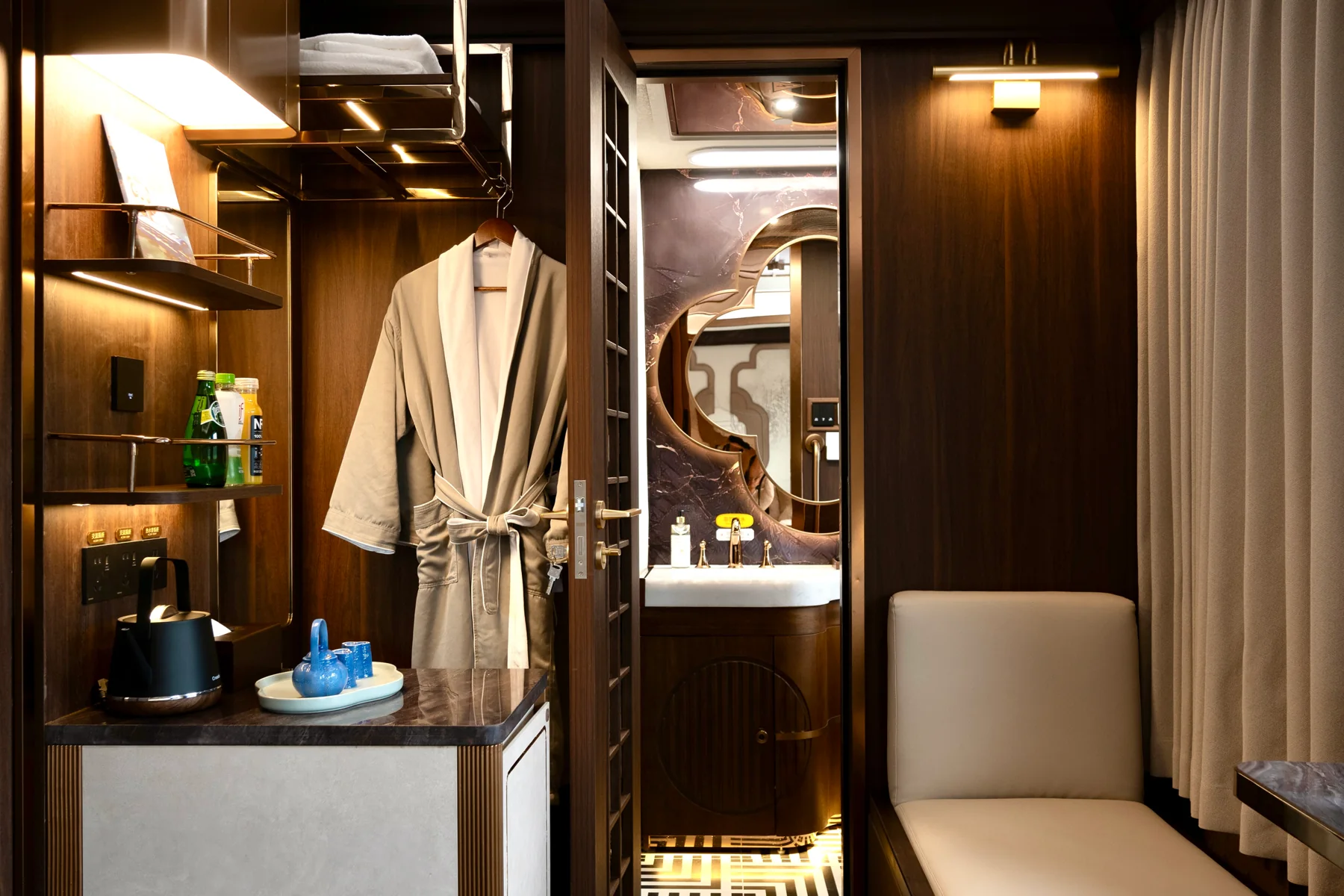
Route and cabin discussions do not have to be completely separate. One traveller may want more room to sit privately; another carries substantial photography equipment; someone else notices each hotel change. Put these needs beside the regional choices so the adviser can assess how the accommodation rhythm fits the party.
For a group of friends or relatives, distinguish decisions everyone must share from arrangements that may differ by room. The departure date will usually need agreement, while bed preferences can be recorded for each pair. Wishes about ground-vehicle grouping or sitting together at meals can be added for the team to assess against the actual party size.
Describe any particular requirements instead of relying on broad labels. Explain the walking you are comfortable with, specific assistance needed for boarding and the rest pattern you prefer. The team can then seek further details where needed. Companions also gain a clearer basis for discussion than words such as comfortable or easy.
A shared planning sheet is useful when one person handles the inquiry for everyone. Circulate it before asking for a quotation so that a preference belonging to one traveller is not accidentally presented as the whole group’s requirement.
Identify what each cost belongs to
Costs should match the selected year, season, cabin and regional routes. Certain regional choices, single-room arrangements on the ground or personal extensions may add to the base programme. Understanding the category first makes it easier to compare figures without confusing different proposals.
Use the current official per-person basis for the 2027 Xinjiang product. Keep the Southwest programme’s year and per-seat wording separate. The complimentary Chengdu stays and transfers also have their own scope. If your flights or extra nights fall outside it, request those arrangements as separate items.
The aim is a quotation whose lines correspond to services you can locate in the itinerary. If a figure changes after a route adjustment, ask which items changed with it, rather than treating the difference as a general increase.
| Cost group | What it depends on | What to confirm in writing |
|---|---|---|
| Base journey and cabin | Year, season, departure and Jin-Wo or Jin-Ta | Pricing unit, guest count and train sleeping places |
| Regional additions | Selected Ili and Kuqa or other options | The amount, relevant activities and included services |
| Ground accommodation changes | Solo use, a third person or a particular bed need | Applicable hotel nights, room count and costs |
| Personal extensions | Extra Chengdu nights or different transfer needs | Services outside the included scope and their prices |
Check the published price and quotation explanation
Put six details in the first inquiry
A useful order is travel window; party size and relevant ages; the three regional selections; cabin and bed preferences; the experience that matters most; and the remaining question. Passport numbers and payment information are not needed in an initial general inquiry. Let the team assess the proposal first.
Keep the original request and the response, then write changes back into the same sheet. Moving from A to C means reviewing accommodation, additions and activities as well as changing a letter. Switching season means revisiting the relevant B version and rates. This keeps all companions working from the same plan.
Ask the adviser to return a clear description of the selected version, daily programme, accommodation and scope of costs. Before formal confirmation, use the official booking guide to check the channel and contract or payment process. Route planning and transaction verification follow one another, with each resolving a different task.
Send your travel preferences to the official teamContinue to channel, contract and payment checks
Questions worth asking
Can I inquire before choosing A, B or C?
Yes. Name the two options you are comparing and the reason the decision is open. The team can then focus on transport, accommodation or the experience that matters.
Do twelve combinations mean every option can be booked on every date?
Twelve comes from the current three-part selection structure. Operation, resources and available cabins still need confirmation for the specific proposal and departure.
What should be checked when changing one region?
Recheck that section’s sequence, accommodation, transport and additional costs, then update the full itinerary shared with your companions.
A useful route checklist does not make every decision for you. It puts preferences, constraints and open questions together so you, your companions and the adviser can discuss the same journey.
Sources and programme version
This checklist follows the current three-region structure of Tianfu’s 2027 programme. It organises an inquiry rather than reserving a route or cabin or establishing a final price. Obtain an updated complete proposal when a selection changes.