Interior photographs · How the spaces work
Inside Jinxiu Tianfu: Cabins, Dining and Shared Spaces
Explore Jinxiu Tianfu’s own interior photographs and 2027 product descriptions to understand the roles of its cabins, dining car, welcome car and observation lounge.
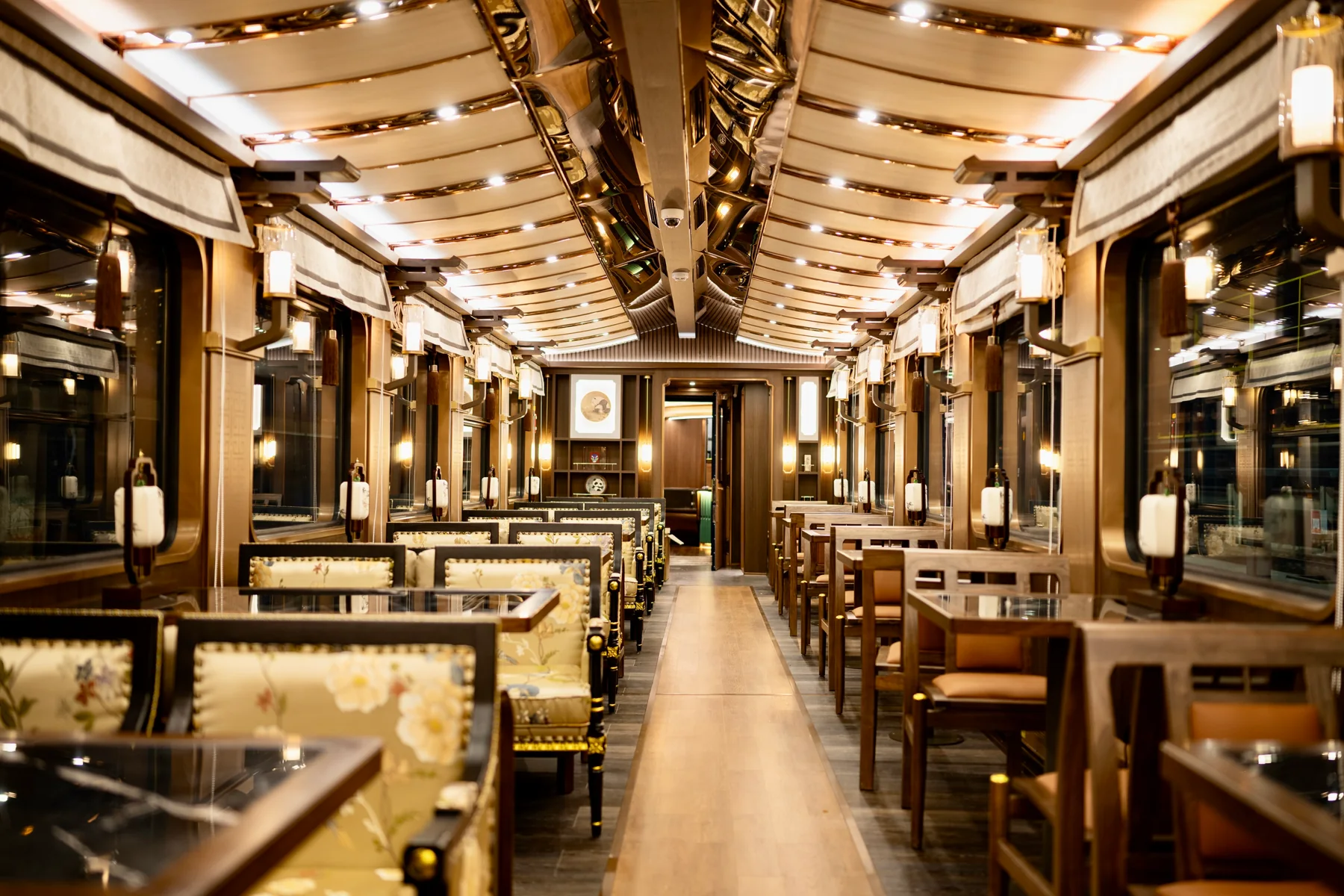
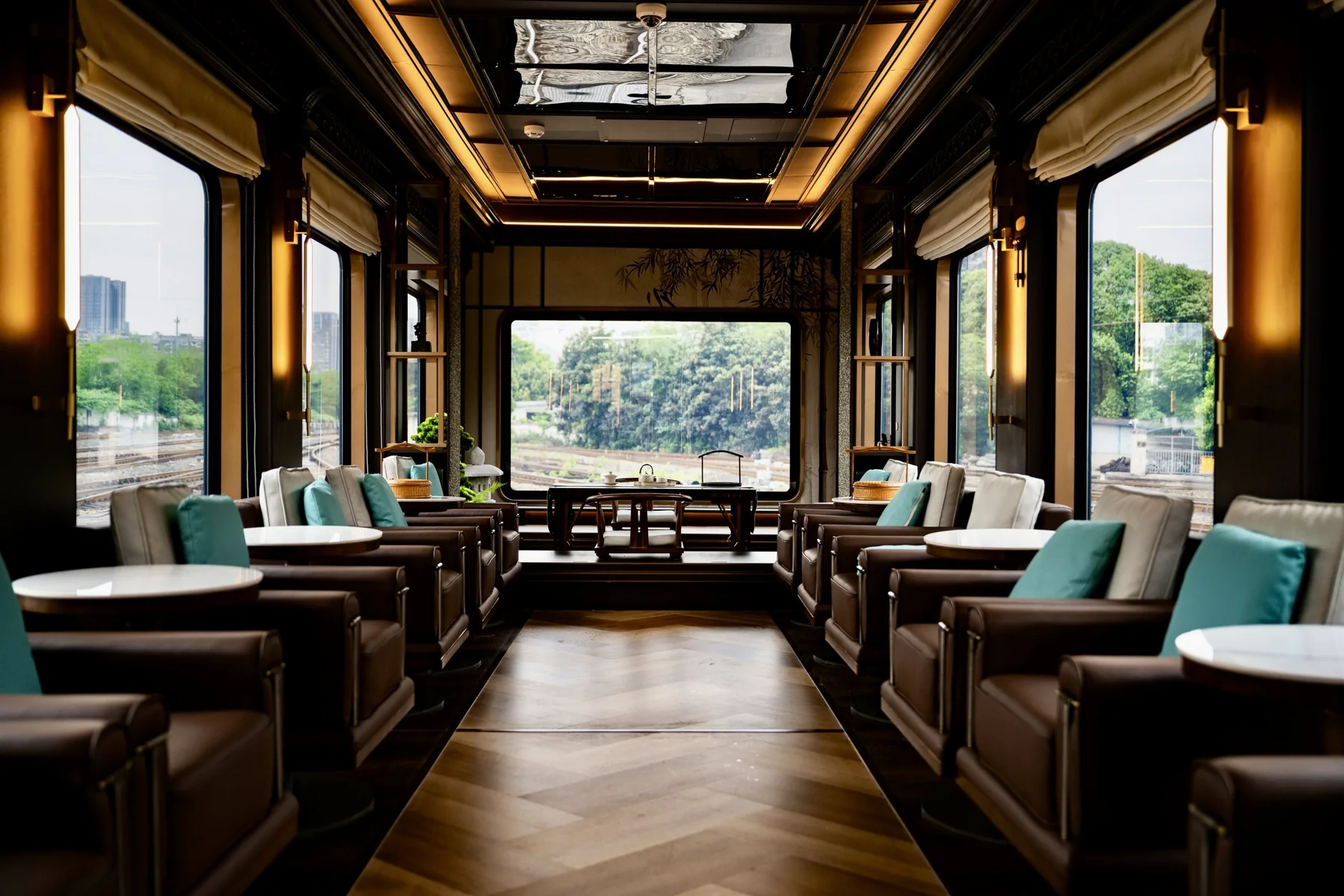
Tables and aisle in the Jinshi dining car. · PANDA TRAIN · JINXIU TIANFU customer material
Beds and windows are often the first things people notice in train photographs. During a longer journey, the dining tables, a place to sit with tea and somewhere to return to for private time matter too. These different uses provide a practical way to understand Jinxiu Tianfu’s interior.
This article combines Tianfu’s own interior photographs with the 2027 customer material. Images establish the visible layout and a scene that was photographed. A particular activity, table setting or dish in a picture does not mean every departure provides exactly the same experience.
Before you begin
- Jin-Wo and Jin-Ta cabins provide private space; shared cars serve dining, conversation and activities.
- The 2027 material lists an eighteen-car formation and a guest capacity of ninety-two. Public spaces have their own seating and operating arrangements.
- Use photographs to study layouts and uses, then confirm menus, activities and seating with the team for your departure.
A cabin gives you a private place to return to
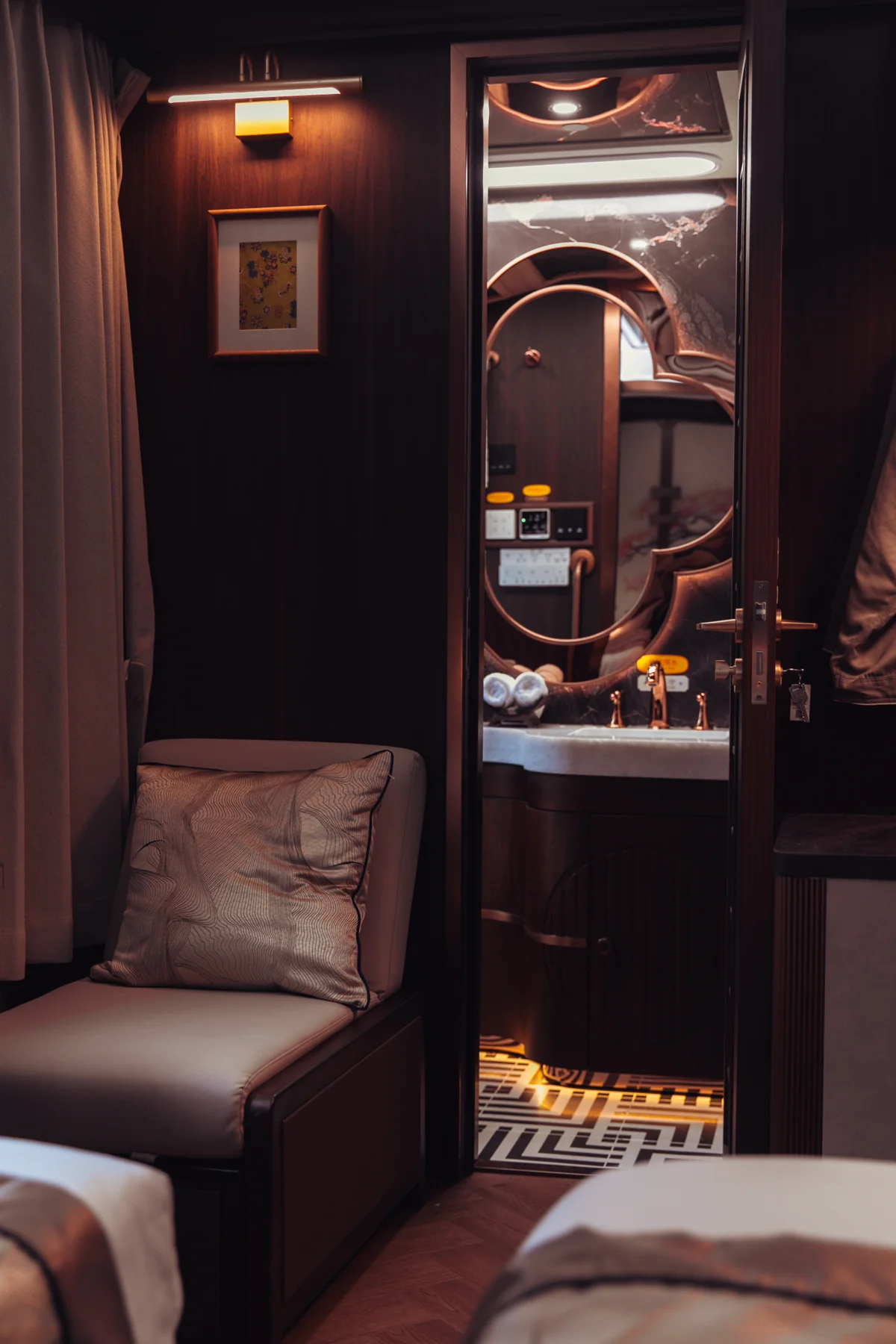
Jin-Wo and Jin-Ta are both sleeping cabins, with different layouts and amounts of space. Jin-Wo is described as ten square metres, with storage, a minibar refrigerator and a private bathroom with separate wet and dry zones. Selected cabins have twin beds that can be joined. The Jin-Ta description places more emphasis on the division between sleeping and tea areas, with a sofa, tea table and storage.
Turn those features into questions about daily use. Do both of you want to sit in the cabin to organise photographs? Where would one person spend time while the other rests? Will a suitcase need to be opened frequently? These questions make a cabin choice more useful than judging the amount of decoration in an image.
The cabin also provides a place to reset belongings after a ground excursion. Put personal items back in familiar positions before going to a meal or public activity. Bedding, ornaments and a camera angle establish only what appears in that picture; check the relevant facilities and bed arrangement when confirming your allocated accommodation.
Compare cabins and travelling-party arrangements
The Jinshi dining car separates meals from private space
Jinshi provides a shared place to eat. The formation table describes two- and four-person tables, a dining counter and service areas; the train also has dedicated kitchen and preparation space. Dining photographs are useful for understanding tables, seating and circulation. A particular table setting does not establish a permanently allocated seat.
The product describes dining that brings together Sichuan and western-region flavours, alongside cultural meal themes. In practice, ask which meals take place aboard, which use local restaurants and how dietary needs should be communicated. When the itinerary leaves the train, the meal venue changes with the day’s arrangements. A dining-car picture should not be read as every meal of the holiday taking place there.
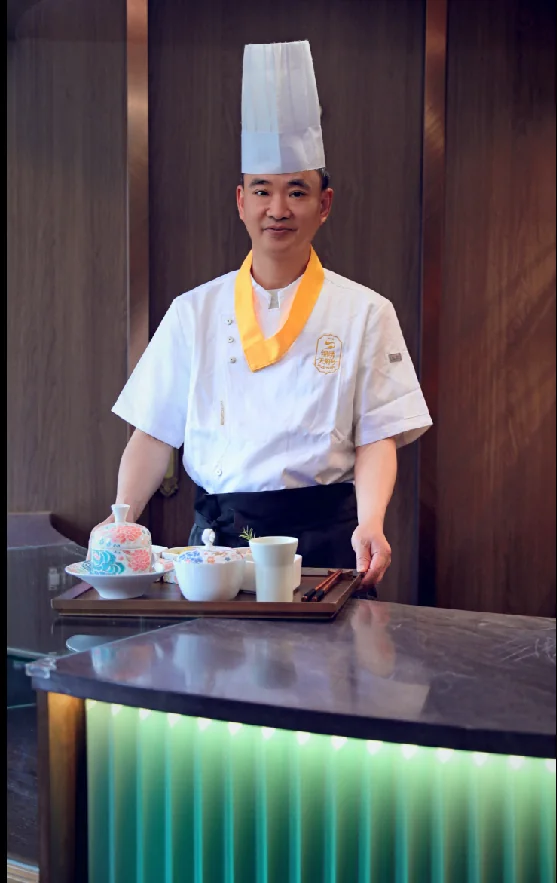
If companions want to sit together or someone needs ingredients adjusted, raise the request before departure. The chef and travelling team need specific information to assess what is possible. Previously photographed dishes can begin a conversation about food preferences, but are not a fixed menu for a future service.
| Space shown | What the image can establish | What to ask the team |
|---|---|---|
| Dining car | The visible tables, counter and circulation | Meal times, party seating and dietary arrangements |
| Welcome car | Reception and tea seating | The departure’s activities, opening times and use |
| Observation lounge | Seating and activity areas | Any booking requirement, daily schedule and rules |
| Cabin | The photographed bed, storage and bathroom | Allocated category, bed setup and required facilities |
Jinya offers a place to gather
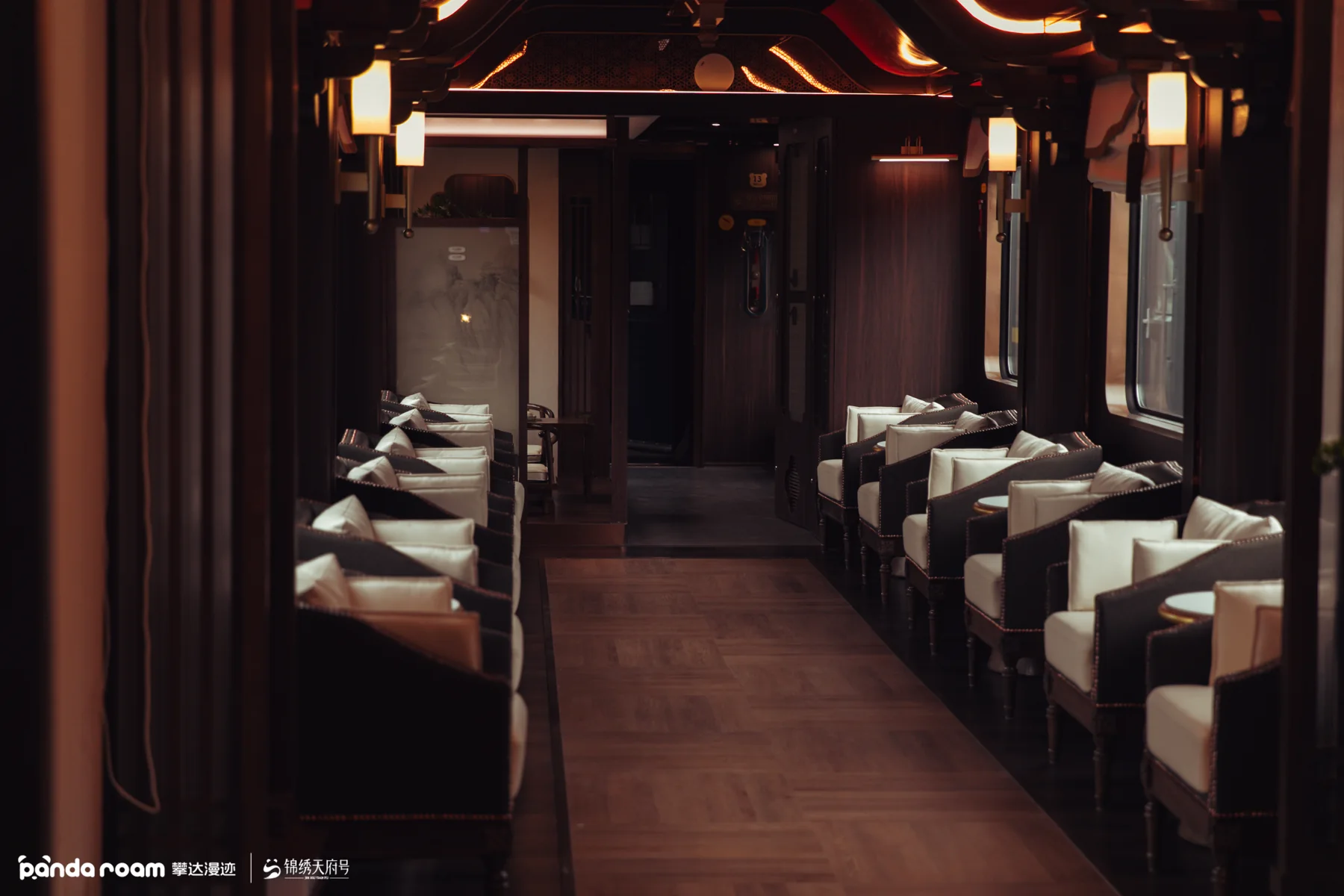
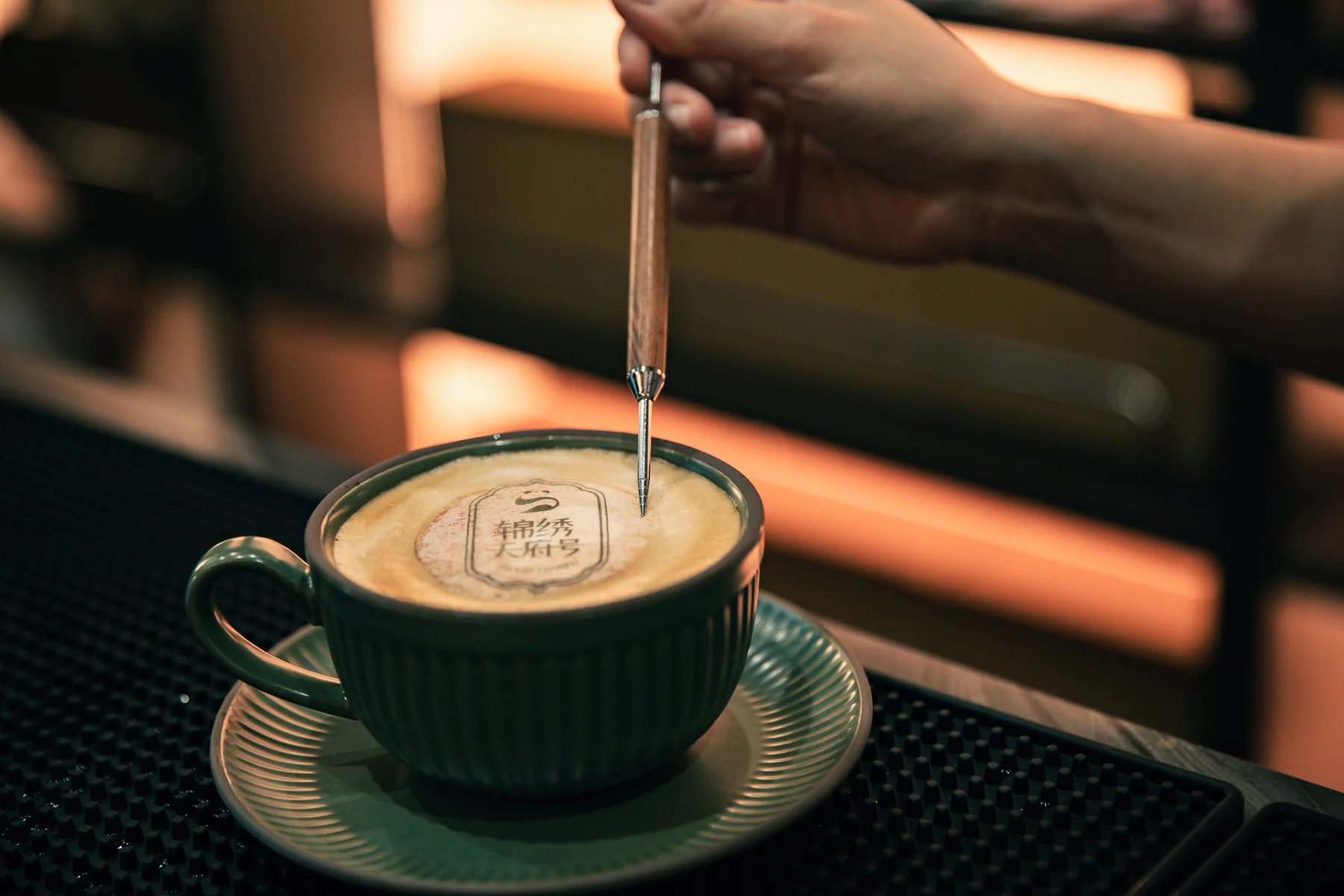
The Jinya welcome car is described as a reception and tea space, with two-person tables and a tea bar. Away from the private cabin, it gives companions a place to meet, talk about the landscapes they have visited or discuss their next photographs.
Images of a welcome or tea session show a use of the space at that moment. A tea demonstration in a photograph does not mean that the same event will be running when you arrive. An empty, carefully arranged interior does not establish that the public car will remain unoccupied during the journey either.
If you enjoy a quiet place to sit, learn the public-area schedule after boarding and identify a suitable time. Use the car’s name or the team’s designated meeting point when arranging to meet companions. It is clearer than a description such as the tea bar somewhere towards the front, especially before everyone has learned the train.
Jinji brings conversation and practical activities together
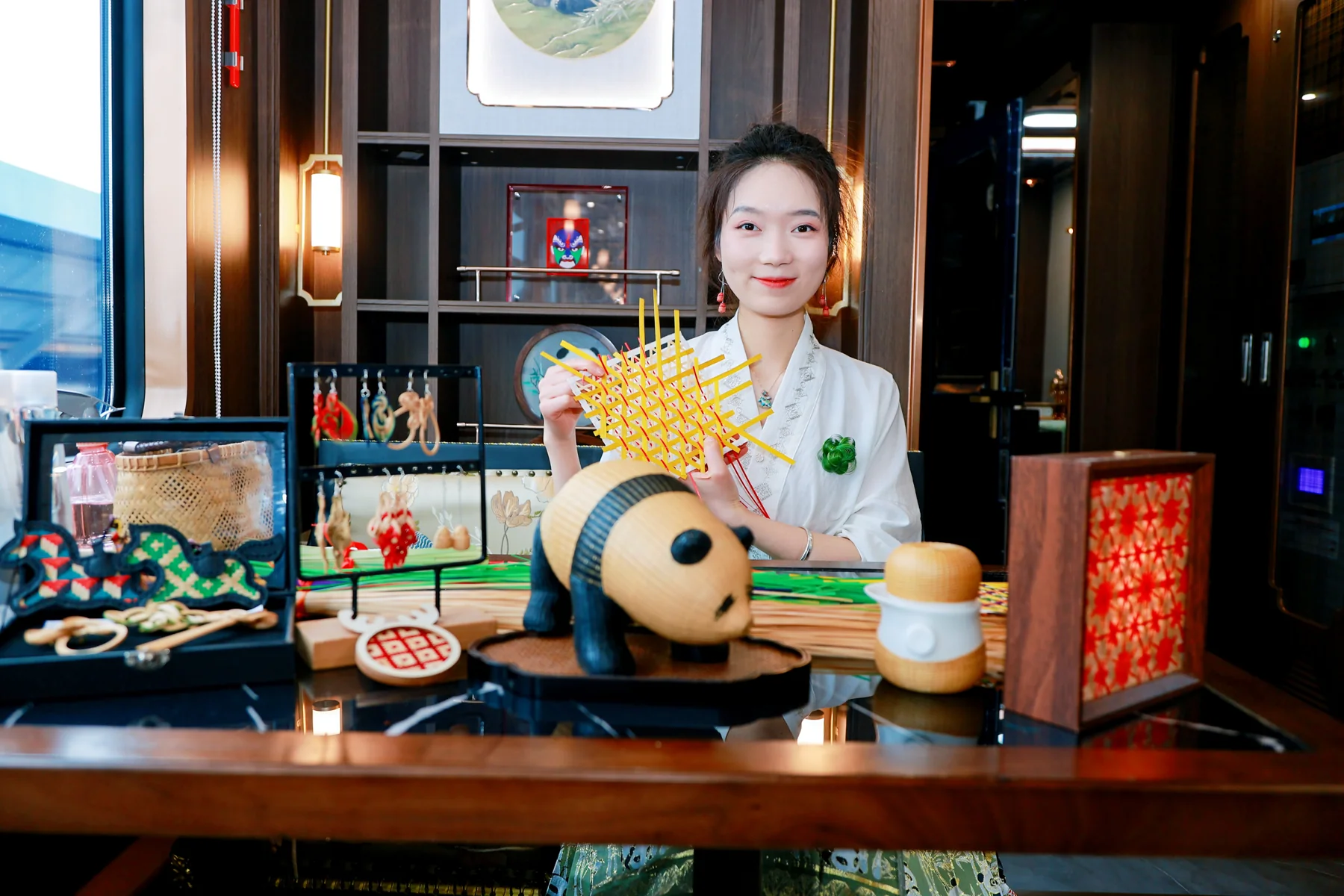
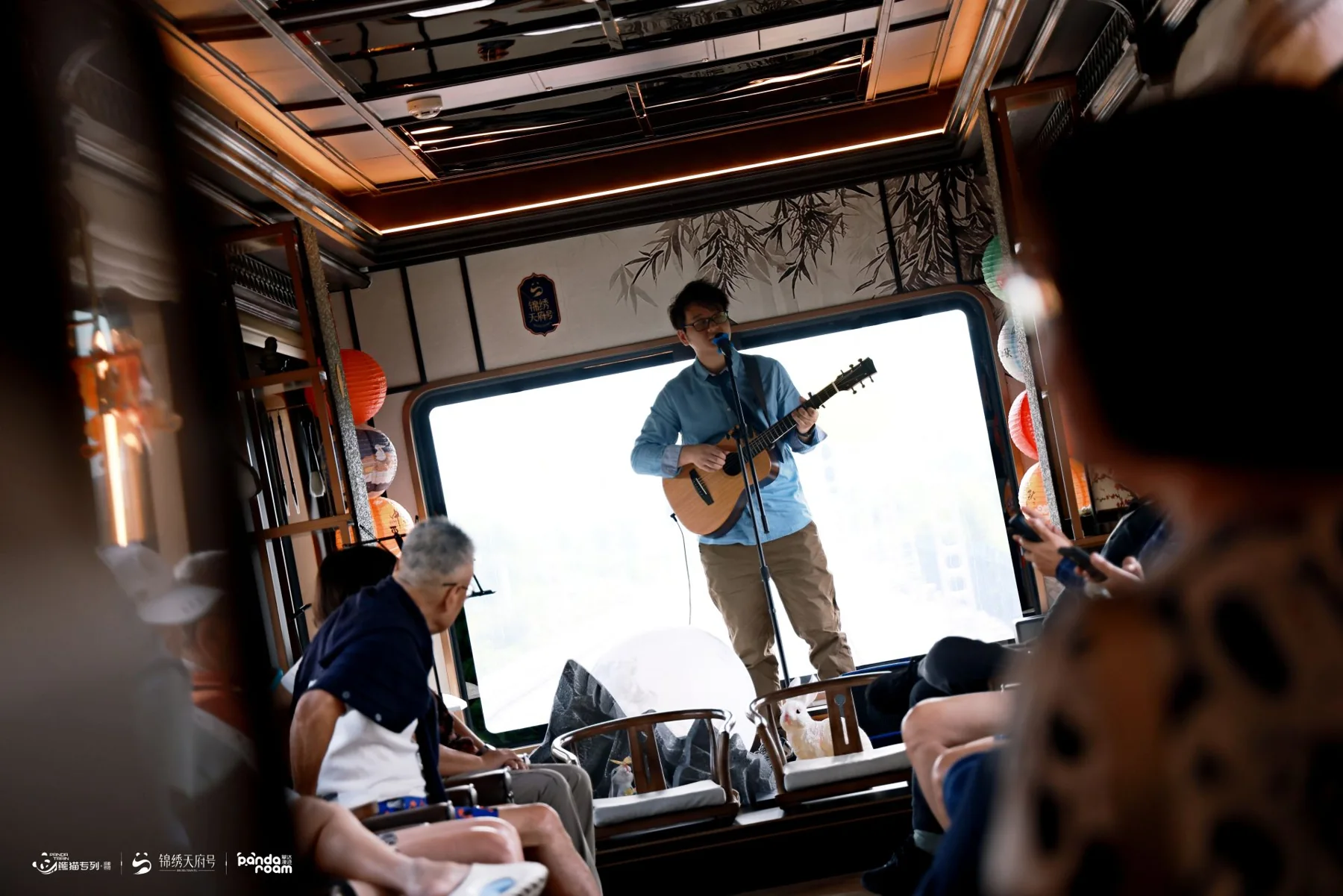
The Jinji observation car is described with a lounge, tea bar and craft table; the formation also lists a chess and card space. These areas offer uses beyond sleeping and dining. Photographs can help you understand the relation between seats and tables, then decide which activities you would like to ask about.
Cultural salons, heritage craft experiences, music and dance appear in the service material. The people leading them, the subjects, timings and participation arrangements depend on the departure’s schedule. If one activity is important to your choice, include it in the inquiry and ask whether it is planned for that group.
An observation space does not mean that the train travels directly to every attraction in the programme. Much of the lake, grassland, canyon and cave experience belongs to the ground itinerary. Watching the railway surroundings and stepping into a destination are complementary parts of the trip, with different views.
This distinction also makes photography plans more realistic. Keep ideas for a lakeshore or valley visit with the relevant ground day, and use the onboard section to notice the spaces and scenes available during rail travel.
Distinguish rail travel from the regional visits
A day aboard can hold different rhythms
The itinerary’s rail days give travellers time to arrange parts of the day around their own interests. Meals follow the team’s notices and activities follow the programme for that departure. Other time can be spent talking, sorting photographs or resting in the cabin. Using the facilities does not require filling every gap with an activity.
Companions may prefer different routines. One might attend an activity while another reads; agreeing where to meet before a meal keeps the arrangement simple. For a first journey, learn the route from your cabin to the spaces you use most, and find out where to ask about the day’s schedule.
When photographing onboard life, respect other people’s rest and personal space. Obtain permission for photographs involving guests, keep equipment easy to put away and avoid blocking the passage. For a table setting or craft session, staff can advise a suitable time and position.
The value of knowing the spaces is practical: you can move between company and private time, rather than treating the whole journey as a continuous group event.
Ask how a facility will work for you
A space description should help with ordinary use, rather than simply provide a list of features. If you bring substantial camera equipment, ask about storage and charging. If room-mates have different routines, discuss the bed setup and sitting area. If public activities matter most, ask about the planned programme. Each request is easier to answer than a broad question about how luxurious the train is.
Photographs help identify visible materials, layout and past activities. Details such as socket counts, door widths, step-free passage and network performance need a direct check when the available material does not settle them. State the measurements or use requirements that matter to you so the team can verify them.
Read the pictures alongside the written confirmation. The first helps you imagine the space, while the second establishes which details have been agreed for your journey. Neither should be asked to do the other’s job.
Questions worth asking
Will the cabin photograph be my exact room?
An original image can show the layout and visible features of the pictured category, but it does not allocate a cabin number. Ask the adviser to confirm your category, bed setup and required facilities.
Can I join tea, craft or music activities at any time?
These are activity directions described in the product. The actual subjects and times follow the departure schedule. Ask in advance if a particular activity affects your booking decision.
Is the whole journey spent aboard?
No. Ground visits and hotel nights form part of the itinerary. The dining and shared cars serve time aboard; meals and activities away from the train follow the day’s ground programme.
Read the interior through your own routine: where you want to rest, eat and meet companions. Bringing those questions to the photographs, then confirming the departure details, makes both cabin and journey choices more concrete.
Sources and programme version
Prepared from Tianfu’s own photographs and the cabin, dining and cultural-service descriptions in its 2027 customer material. Activity images record past photographed scenes; the actual departure notice establishes future arrangements.