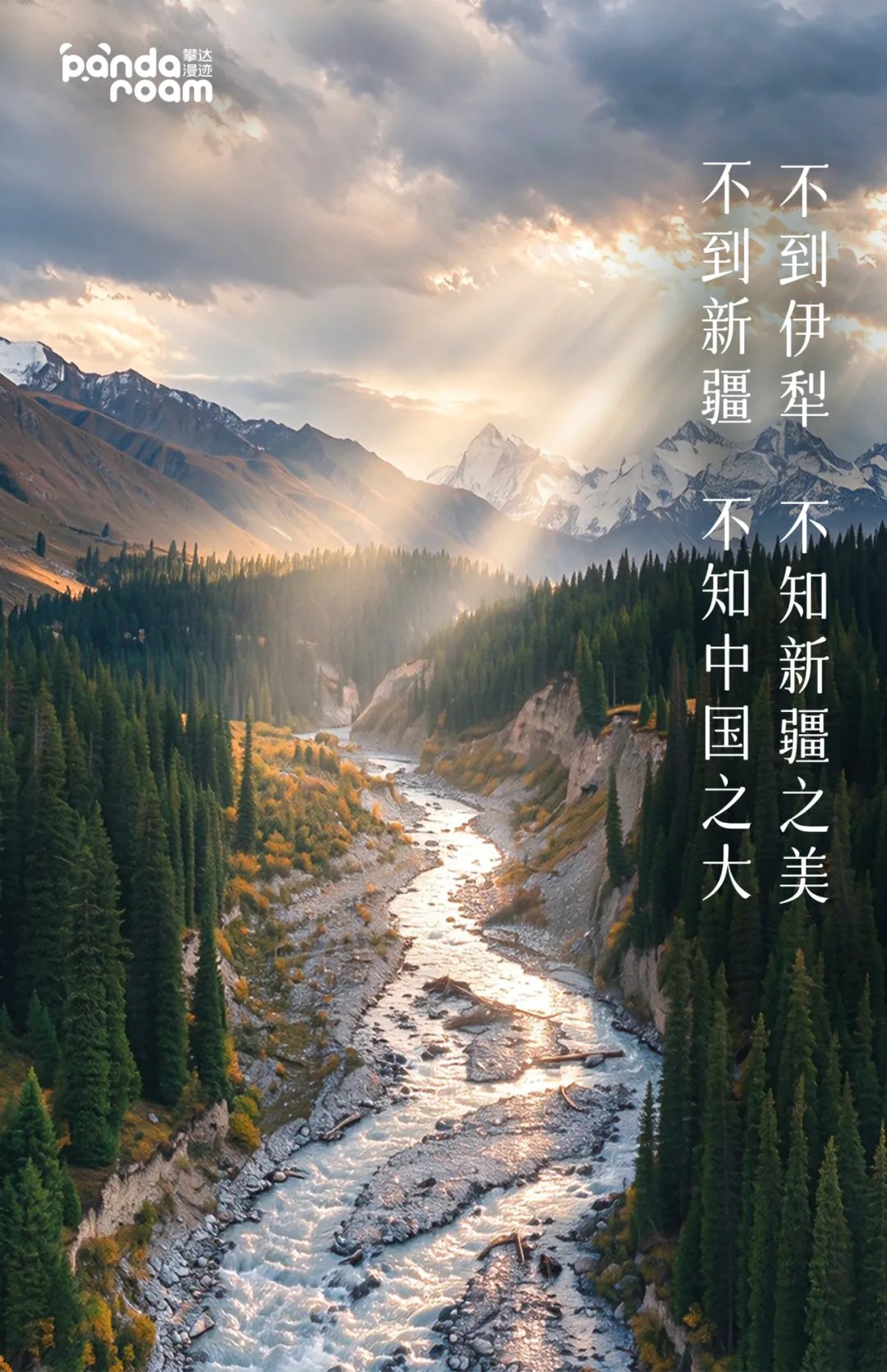
You have probably heard plenty about Yili's beauty. That is why it remains an almost inevitable stop on a journey through Xinjiang. But beauty alone has never been the reason this journey chooses Yili.
China has no shortage of lovely places. We can always find another grassland, a field of flowers or a horizon that makes a fine photograph. Beauty is the starting point, not the deciding factor.
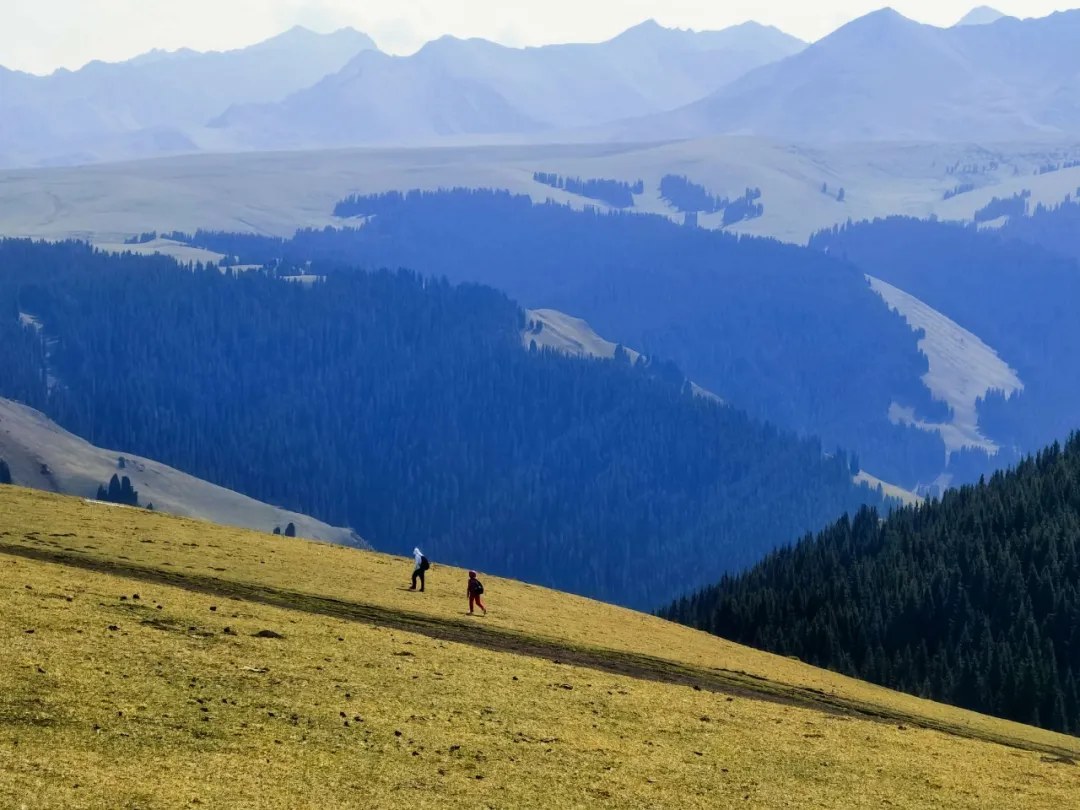
Yili's beauty is talked about everywhere. It is understood far less often. You may have looked across the Tianshan Mountains without realizing that the folds of those peaks were shaped by movements of the Earth's crust millions of years ago.
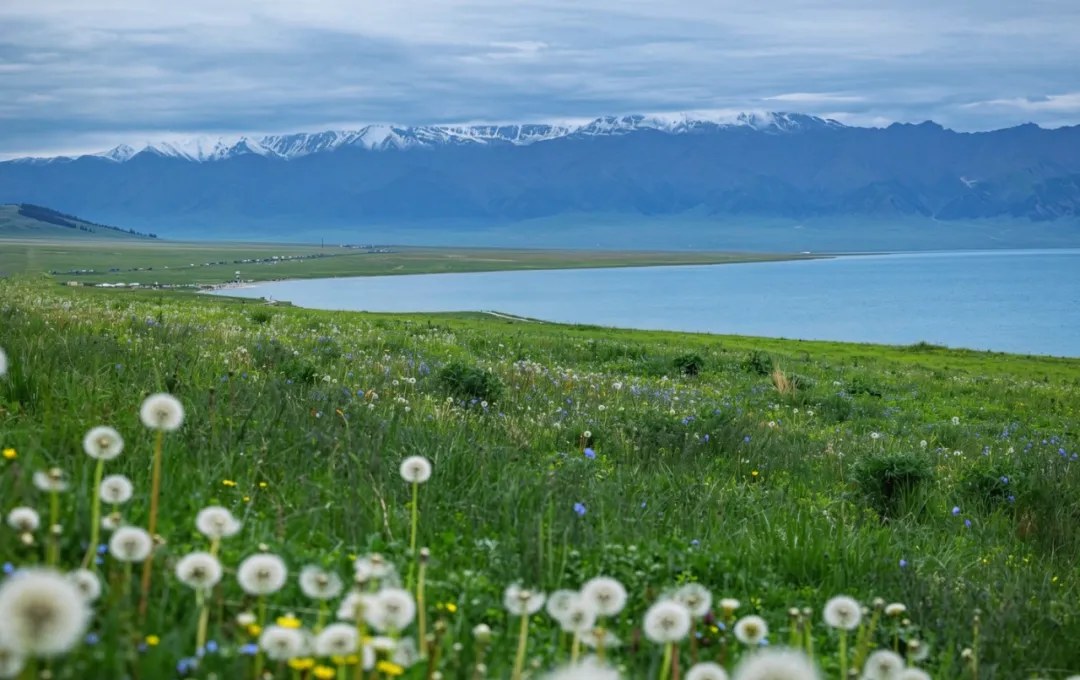
You may have smelled the flowers without thinking of the Atlantic moisture that crossed such a distance before reaching them. You may have watched the horses cross the river without hearing the two thousand years of empire, hoofbeats and homesickness beneath the sound. By the end of the journey, Yili may feel like Boya and Ziqi in the old story: two people who finally found someone who understood them.
Where the Atlantic meets the Tianshan
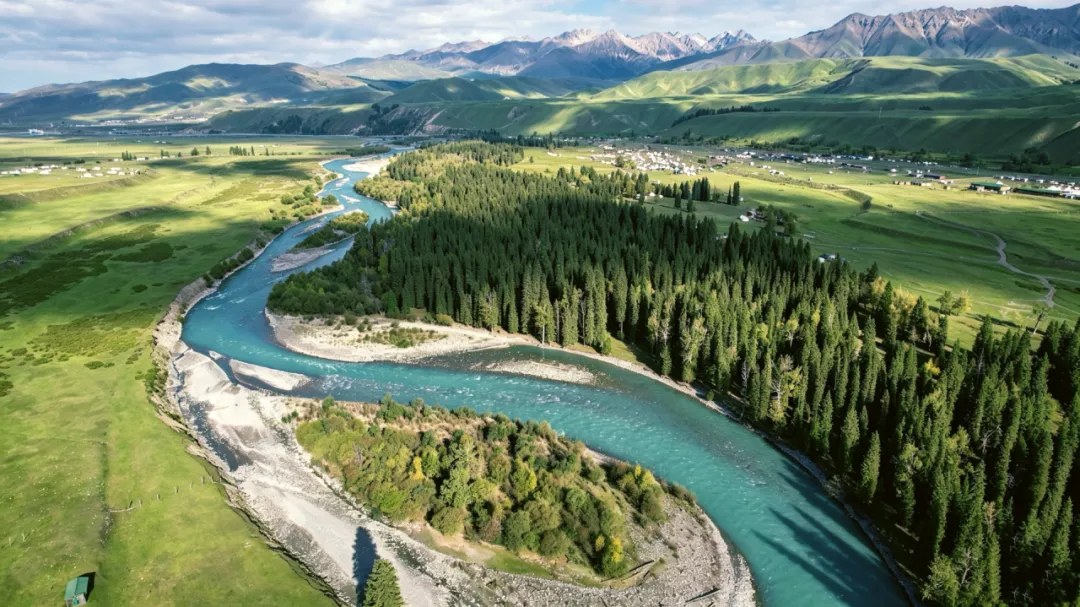
Yili is a child of the Tianshan Mountains and the Atlantic. Here, the mountains open westward like the mouth of a horn. Moisture travels east from the Atlantic, across Europe and the deserts and grasslands of Central Asia. When it reaches the mountains, it can go no farther.
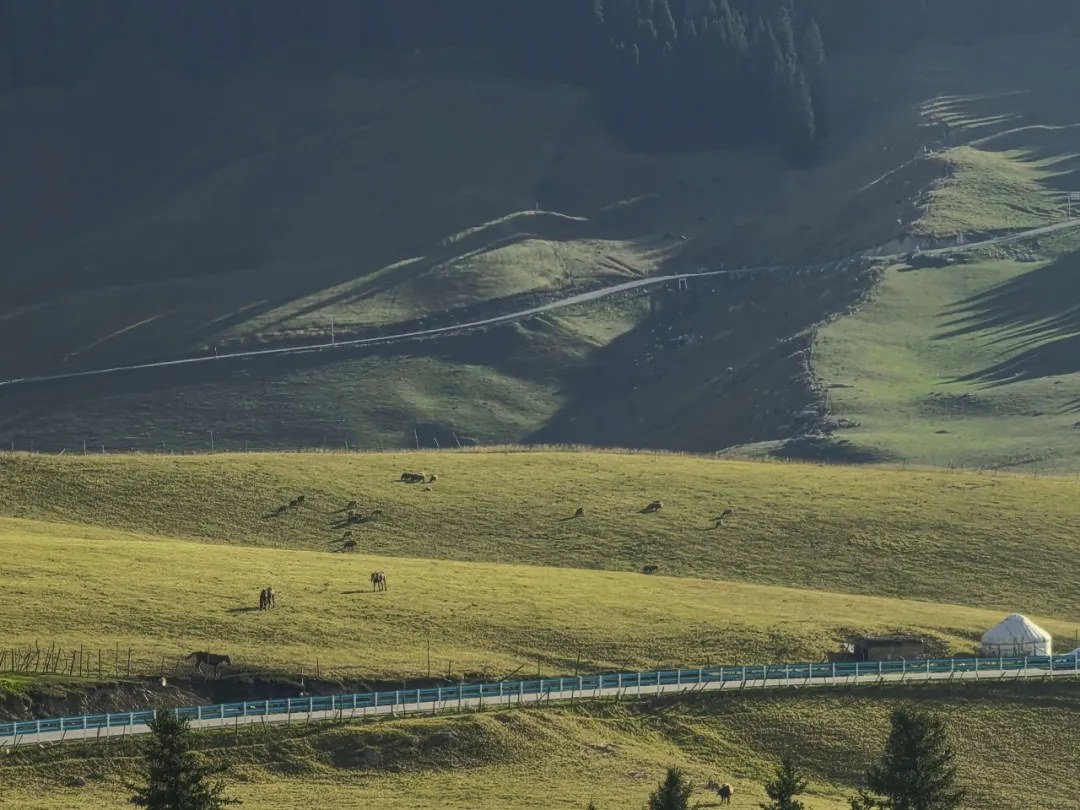
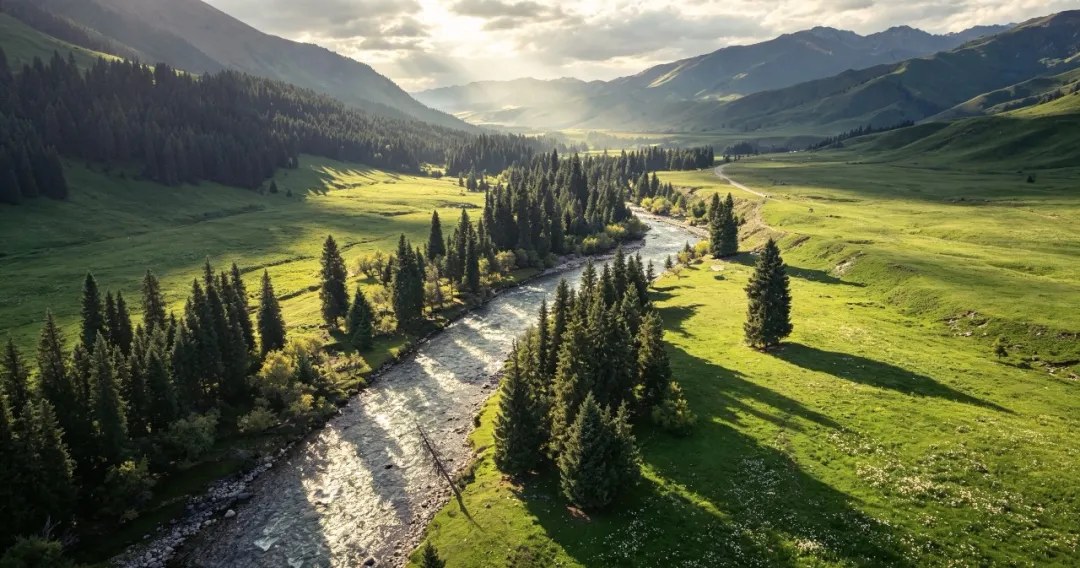
It stops, then falls. It becomes river valleys, pasture and spruce forest. The result looks little like the Northwest many visitors expect.
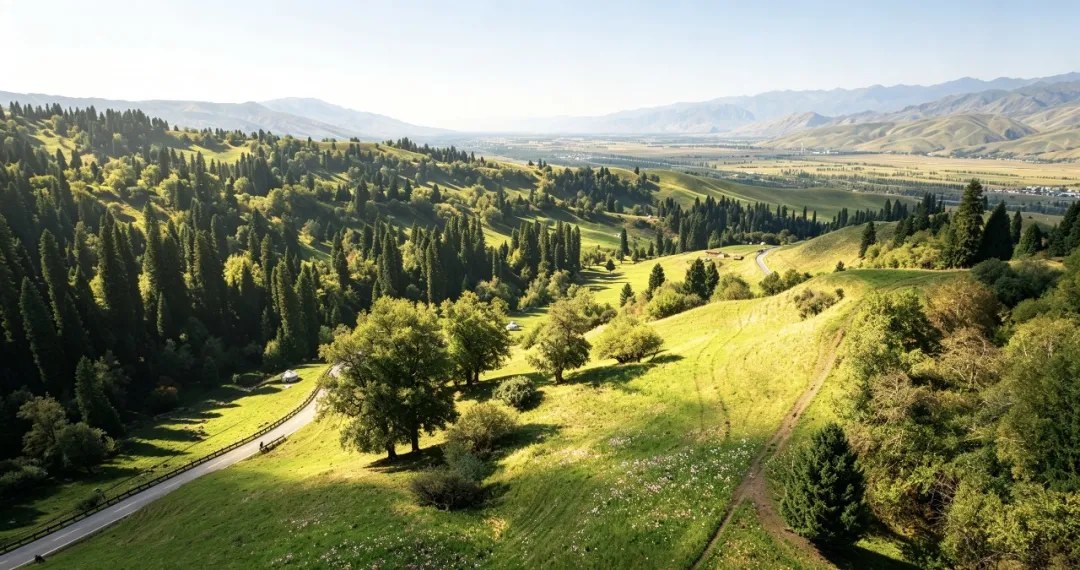
People often call Yili the “Jiangnan beyond the frontier.” I have never thought of it as a copy of anywhere else. It feels more like a rare gift from the Atlantic, deep inside Eurasia. Jiangnan receives its moisture from the monsoon, year after year. Yili receives what is left after an ocean's long journey inland.
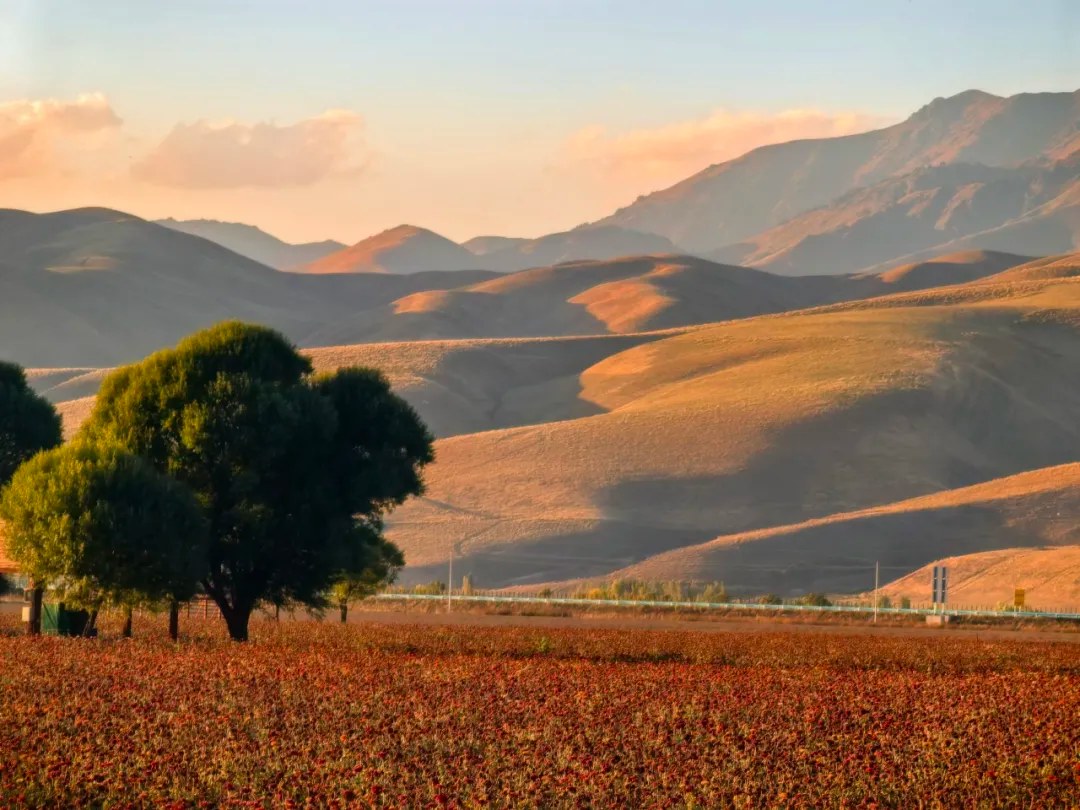
With water and good pasture, the valley offered merchants and their horses a place to rest and resupply. For two thousand years, the northern Tianshan branch of the Silk Road followed its course.

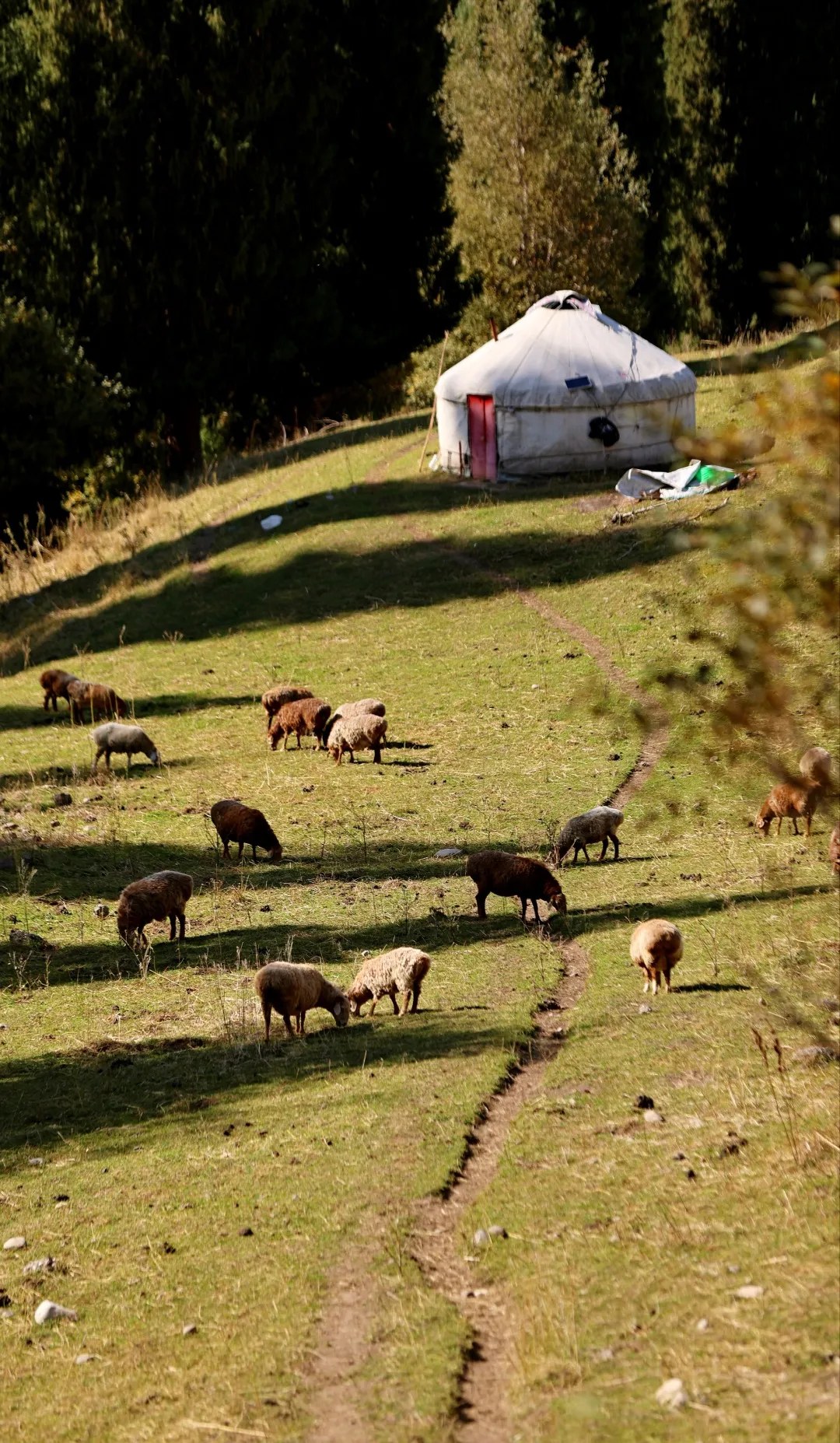
That road gathered more stories than time could erase. People keep following old tracks, making the journey again. The landscape offers another, more immediate way to read the place: look at the changing elevation.
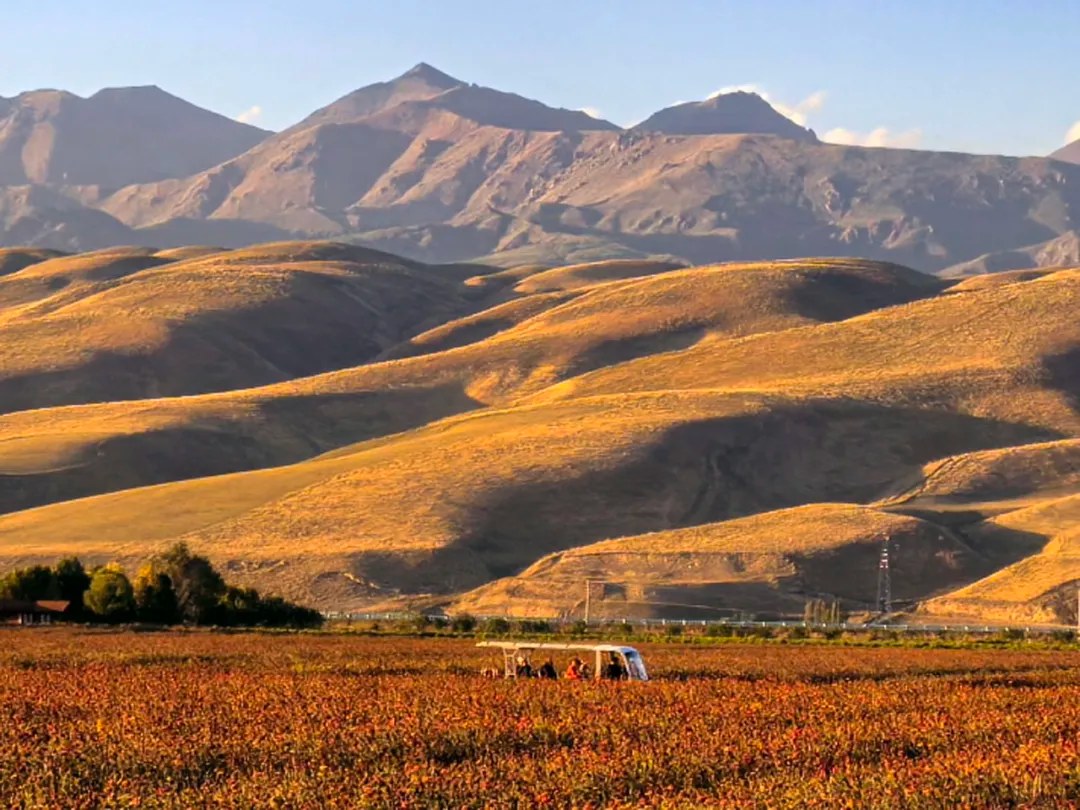
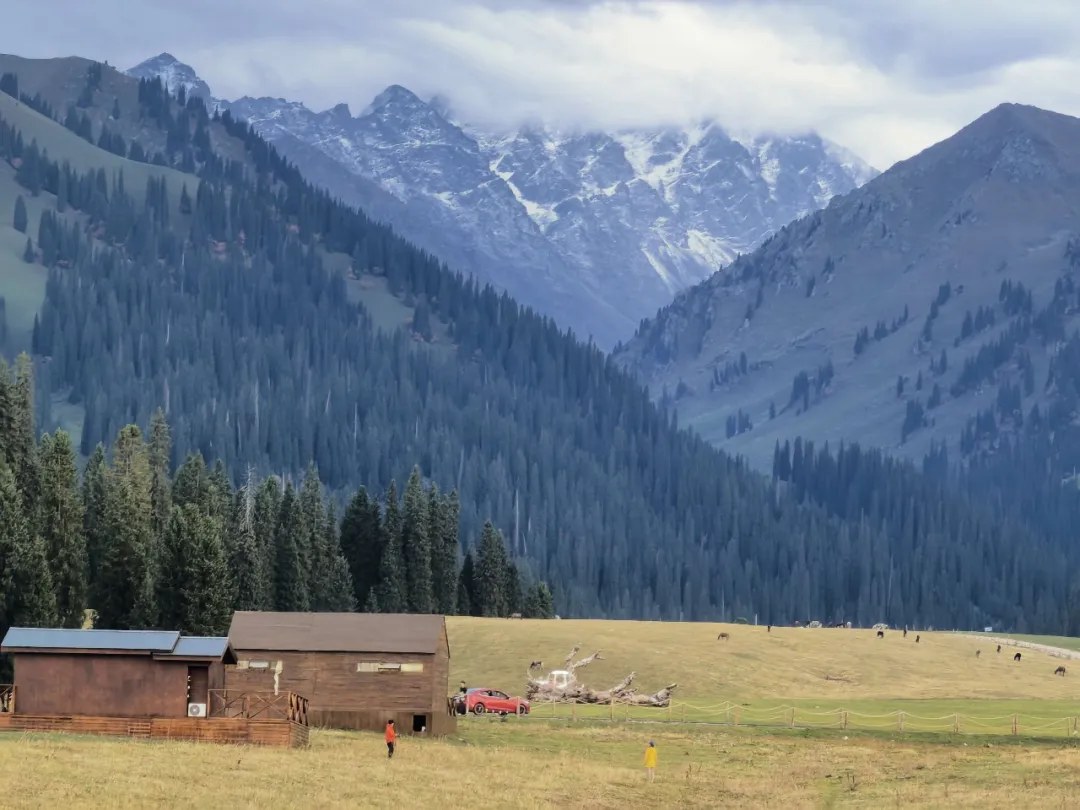
Above the snow line there is white all year. Below it come the spruce trees, then meadows, rivers, farmland and lavender fields.
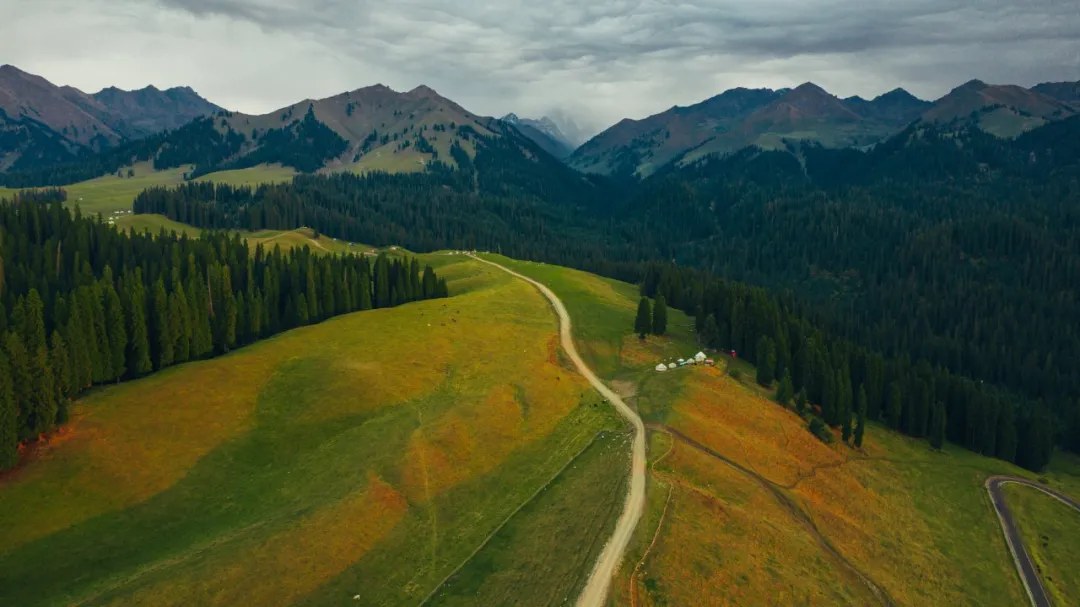
The Atlantic and the Tianshan have worked on this place for ages, and here their landscapes appear together.
An apple, and the long story behind it
Sights fade from memory. Flavours can be harder to forget. An apple inspired Newton's thoughts on gravity and became the mark of the company Steve Jobs built. The essay traces that small, world-changing fruit to these Tianshan lands.

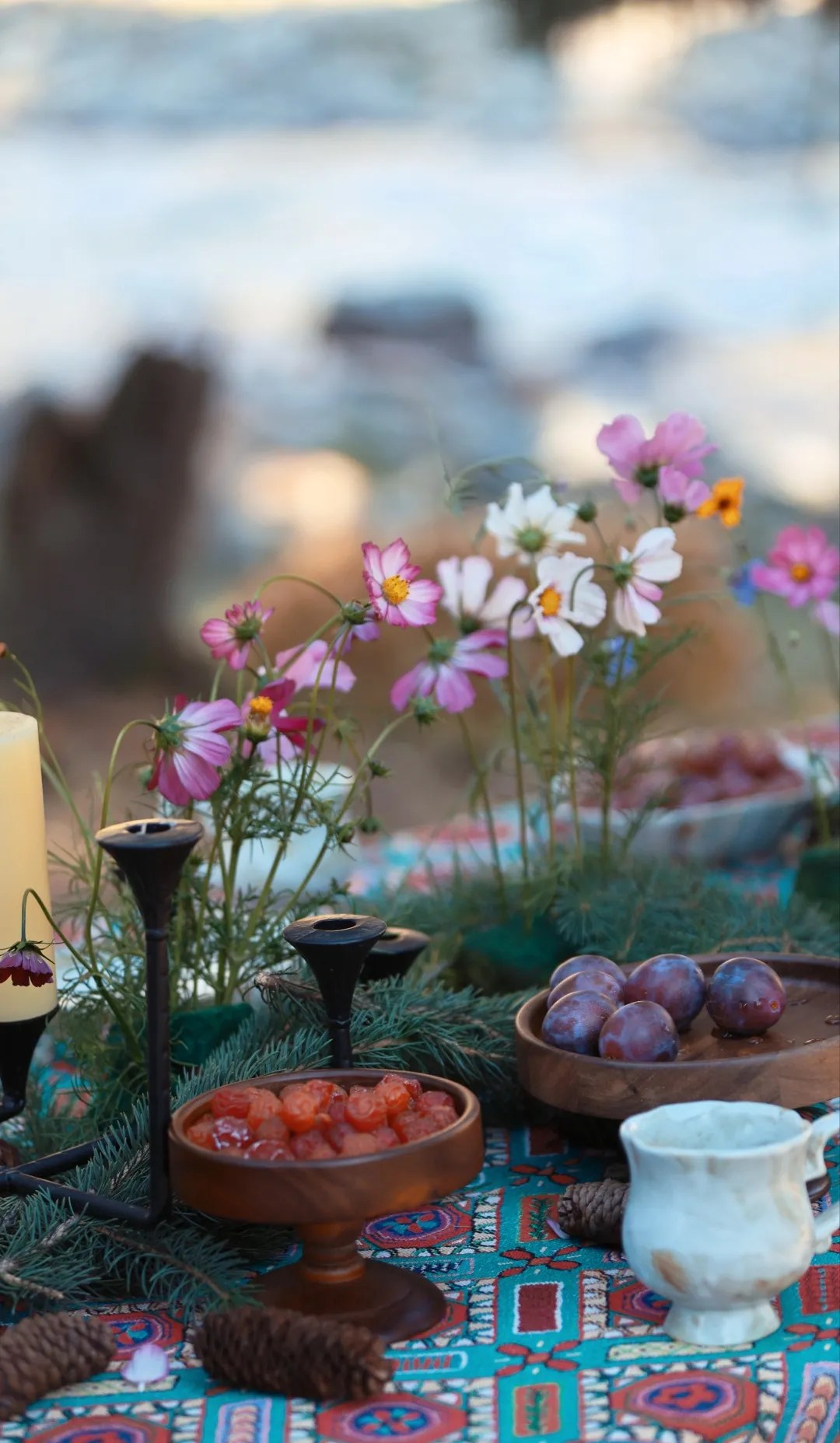
In Yili, apples come in many forms. Some are sweet as maple syrup. Others are tart and crisp, good sliced with piyazi, the local word for onion. The onion's bite meets the sharpness of a wild apple. That clash of flavours has the land's direct, spirited character.
Every one of those flavours is the result of a very long natural history. And the apple is only one part of this place.
Wild onions grow across the grassland; today, they have found their way onto state banquet tables. That journey from the wild to the dining table took time. Its achievement lies in something ordinary, and its difficulty in how long it took.
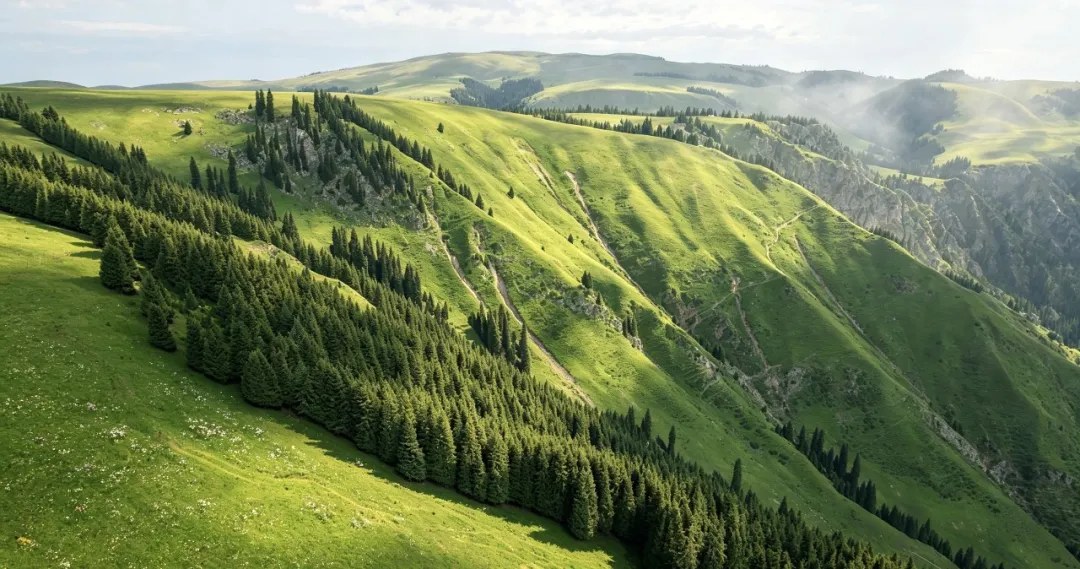
That is why we have to choose Yili. Its beauty is not merely there to be looked at. It is alive. You can taste it. It is still changing.
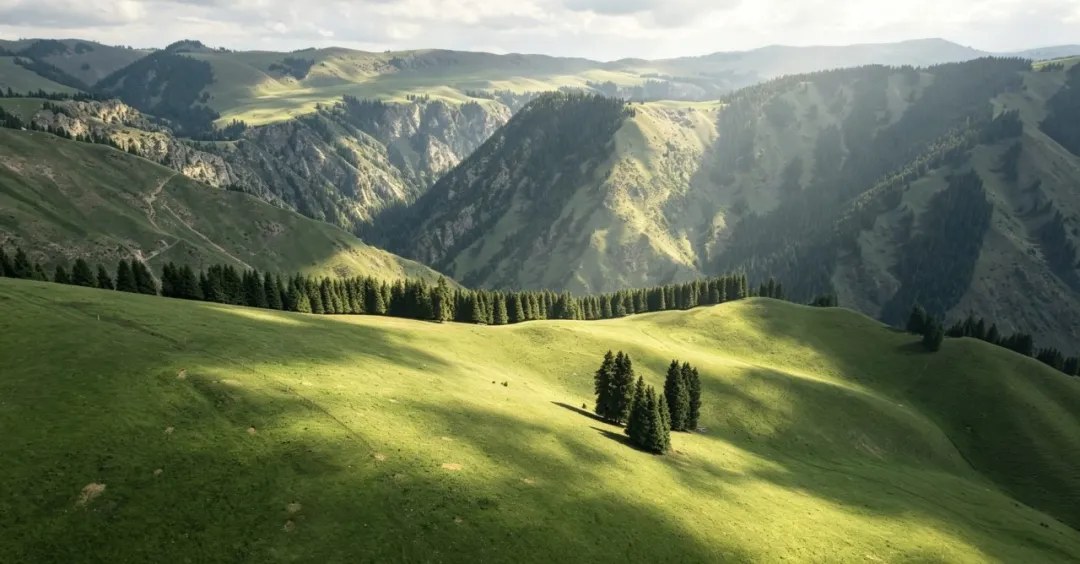
Stand on a slope in Kalajun and the ground under your feet is part of a crust lifted long ago. Above you, moisture from the Atlantic is still arriving.
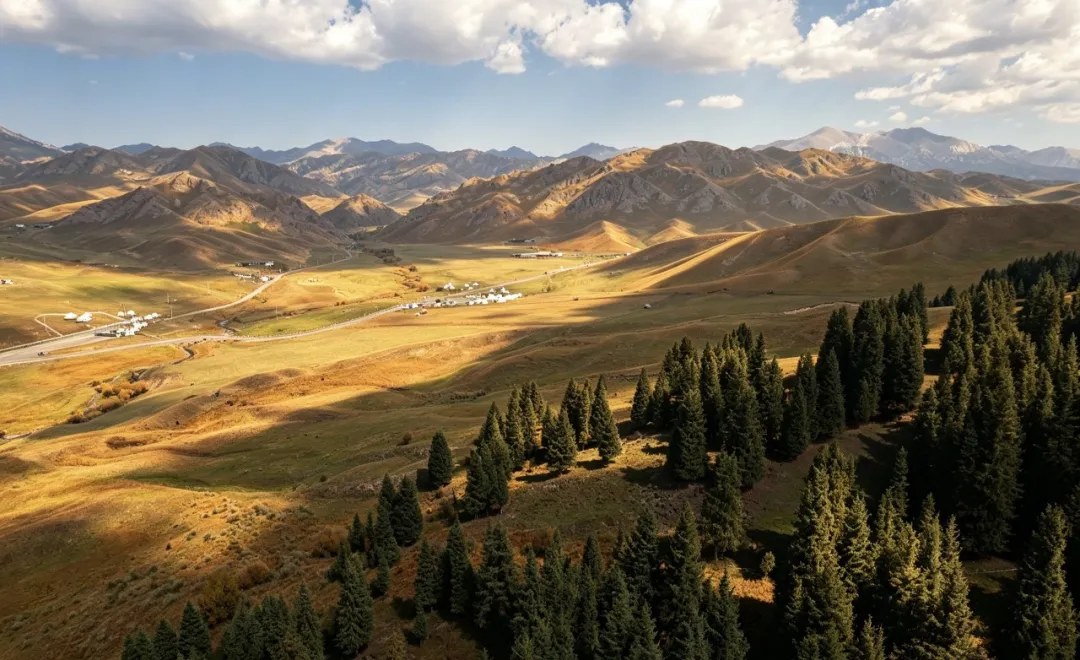
Yili took a long time to become this place. Its landscapes are there for anyone willing to stop and take them in.
The old road and the sound of hooves
Yili's history can be felt in the meeting of stillness and motion. Stillness belongs to Xiata, the old trail close to the snow mountains.
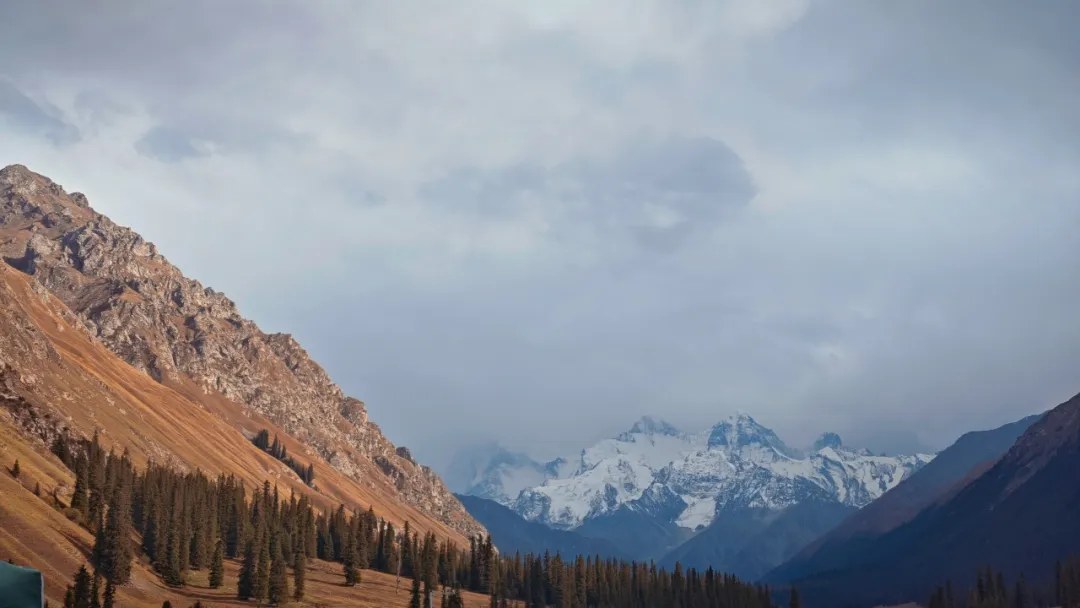
According to tradition, the monk Xuanzang crossed this way on his journey west. He would have looked up at the same mountains we see today.
The old road brings you close to the snow. A walk of two or three kilometres, the original essay says, can take you towards the mountain's foot to wait for the first light on the peaks. It need not leave you gasping for breath.
This matters to us. We choose routes that let you enjoy the place without treating physical effort as the price of admission. Before a snow mountain, you should have room to pause. Only then can you really hear the wind and the water.
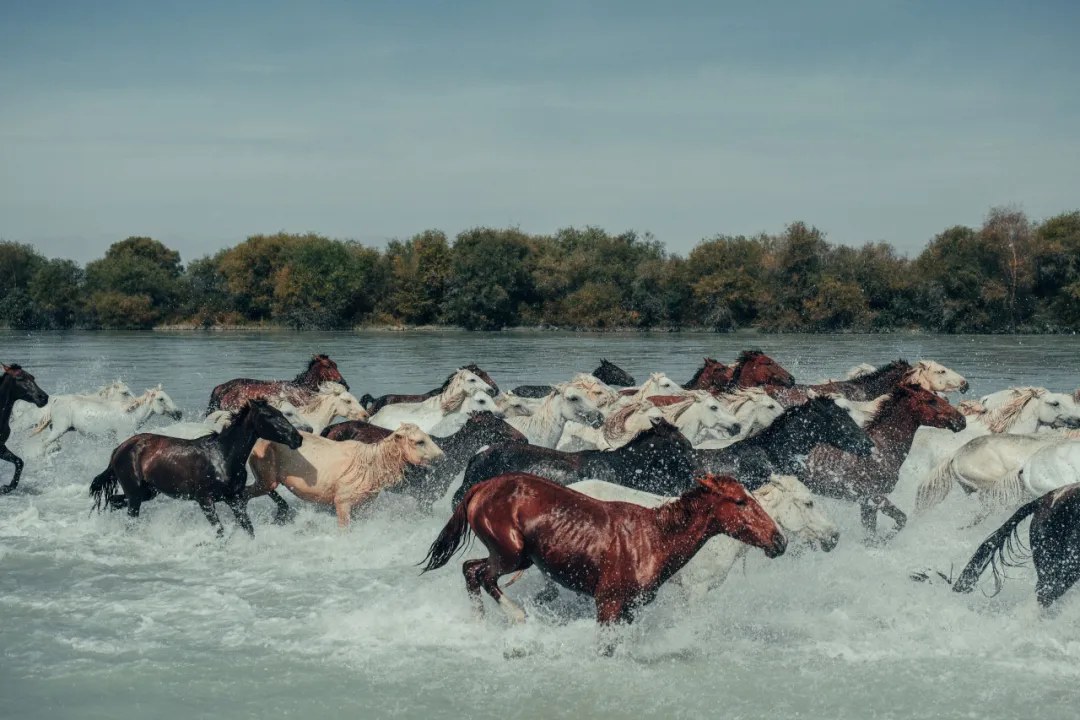
Motion belongs to the horses of Zhaosu, coming through the river.
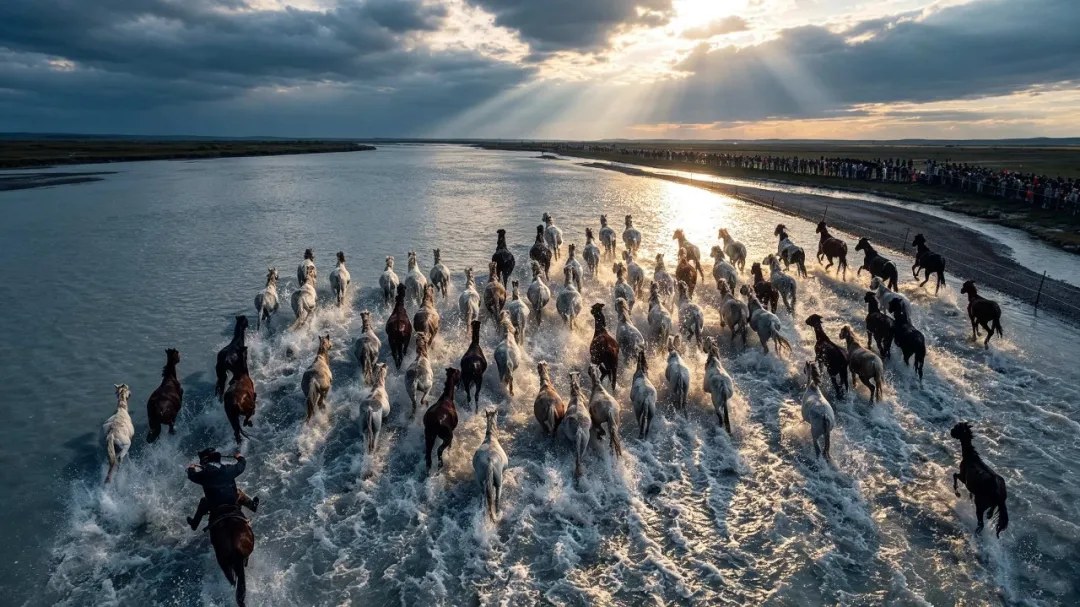
As they enter the water and their hooves break its surface, two histories seem to meet in a sudden roar. You might find yourself unexpectedly moved. The essay connects that feeling to an old longing: in the Records of the Grand Historian, Emperor Wu of Han is described as intensely drawn to horses. His empire had known the force of cavalry.
The sound of hooves, the writer suggests, can awaken the grief of an empire brought low, even in a Han Chinese descendant standing on a riverbank two thousand years later.
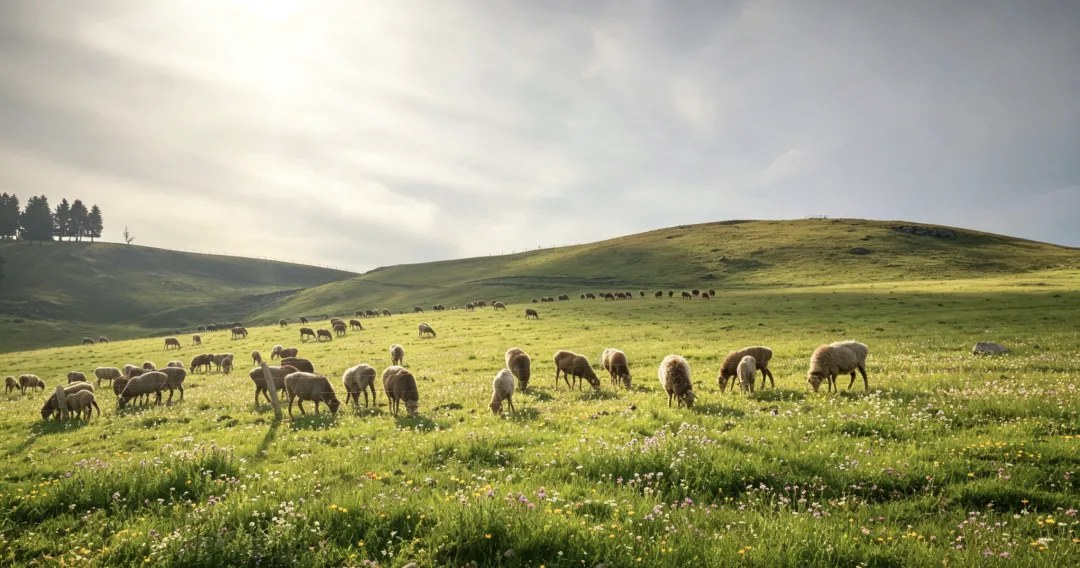
Earlier still, Princess Xijun and Princess Jieyou travelled west through these lands. The histories record the years they left the Han court, but not how many times they looked back. The Han dynasty's westward story was written in military reports and in the homesickness of two women.
Later, after Zhang Qian's journeys into the Western Regions, the Ili River became a strategic passage. War reached the valley, yet people passing through also left their stories here.
Porcelain, tea and gold moved west through the Hexi Corridor and Yili towards Central Asia and Persia. Furs, jade and spices travelled the other way, through this valley towards China's interior.
When those histories come into view, they need little explanation. Culture is more than a few lines on a sign beside a scenic spot.
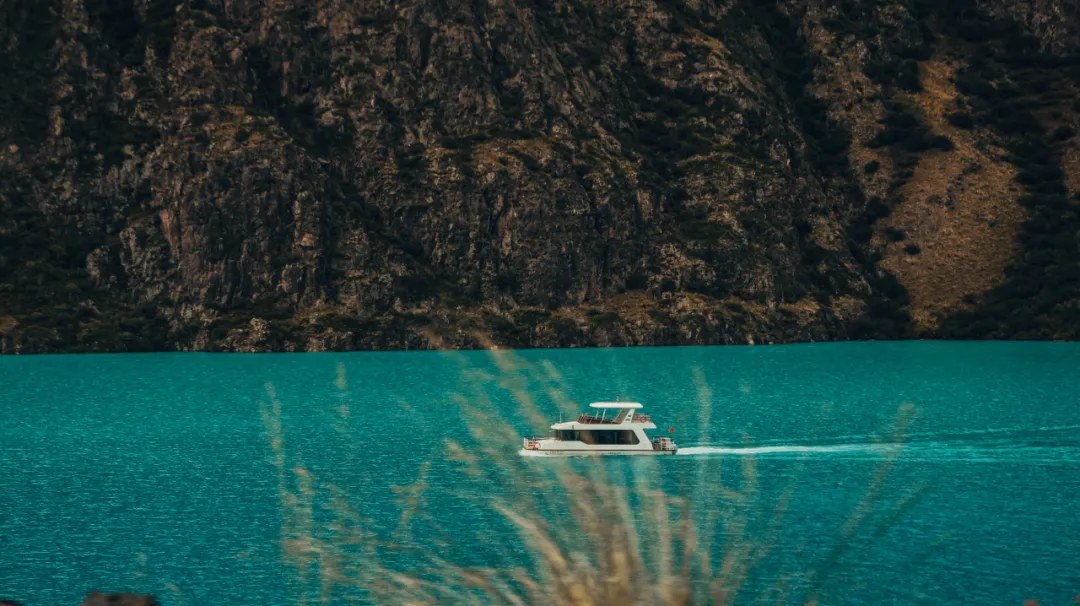
It is the trace of a caravan's campfire, a princess's backward glance, the splash made by a horse crossing a river. It is the number of people who have walked this land before us. Every visit adds another set of footprints.
Stay long enough to see the light change
We still have not answered the question about the journey itself. Yili is open to anyone. What makes this way of travelling different?
Our answer is simple: we want to show you the best of the place. Morning light reaches Kalajun around six. Qiongkushitai's stars come out late at night. The horses of Zhaosu look their best in the light of early morning or evening.
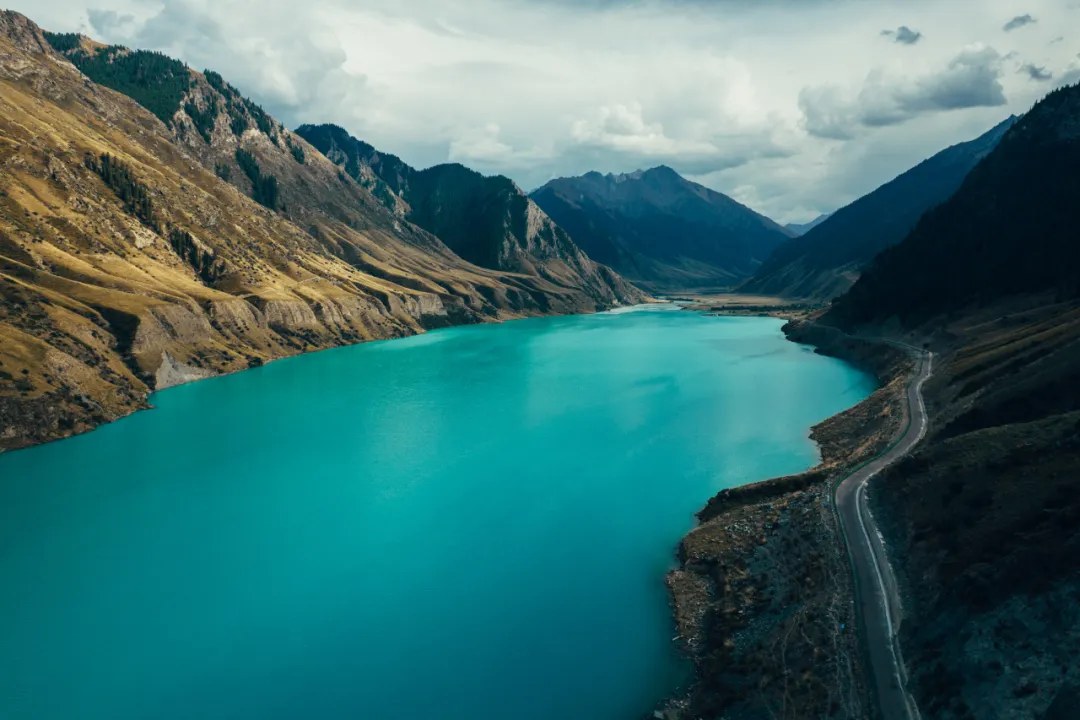
Knowing a place also means giving it time. We do not travel simply to cover ground or collect photographs. We slow down and wait for a sunrise or a sunset.
Stay at a manor near the start of the Mengkete ancient trail and the far end of Tangbula; stay within the Xiata and Qiongkushitai scenic areas; stay by Sayram Lake. That gives you time to wait, watch and feel where you are.
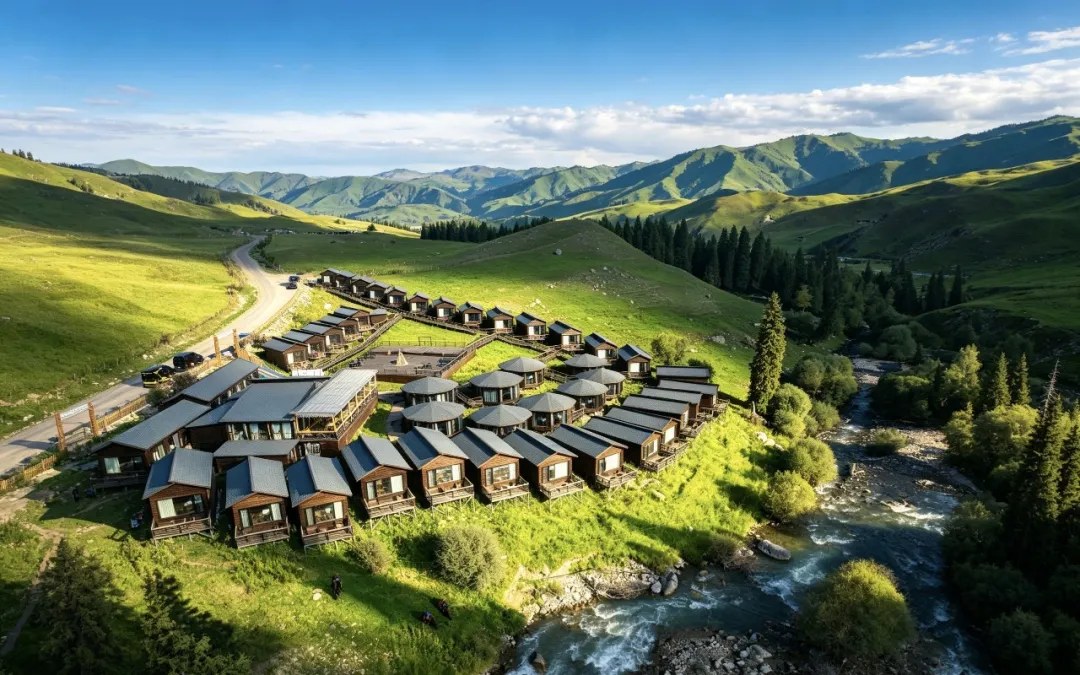
We want to do more than take you to a destination. We want to help you understand the land itself.
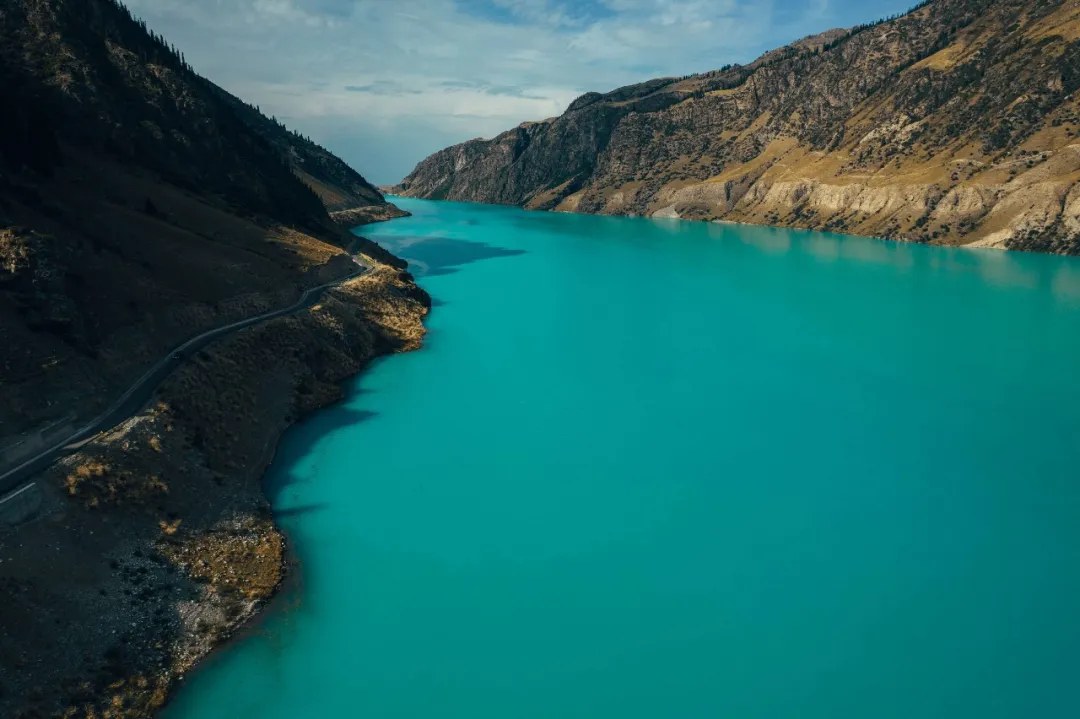
No conventional guide or tour leader, but a storyteller of history. We want you to learn about the peoples who lived here hundreds of years ago, hear stories thousands of years old, notice plants with histories tens of thousands of years long and read a landscape shaped over hundreds of thousands of years.
At the right time and in the right place, you can meet Yili on its own terms. Stand beneath Xiata's snow mountains and feel the wind. Watch the horses cross the river. Look up at the stars late at night and have the time to stay with the view.
People say you cannot know the beauty of Xinjiang until you have been to Yili. Having been there and learned to read it, we would add: without Yili, it is hard to understand just how far a civilisation's stories can travel.
When an eastern luxury train meets the beauty of this land, past and present meet too. We are glad to help travellers cross between them.