Where is Xinjiang, and why does distance matter?
Xinjiang sits in northwest China and covers around 1.66 million square kilometers.
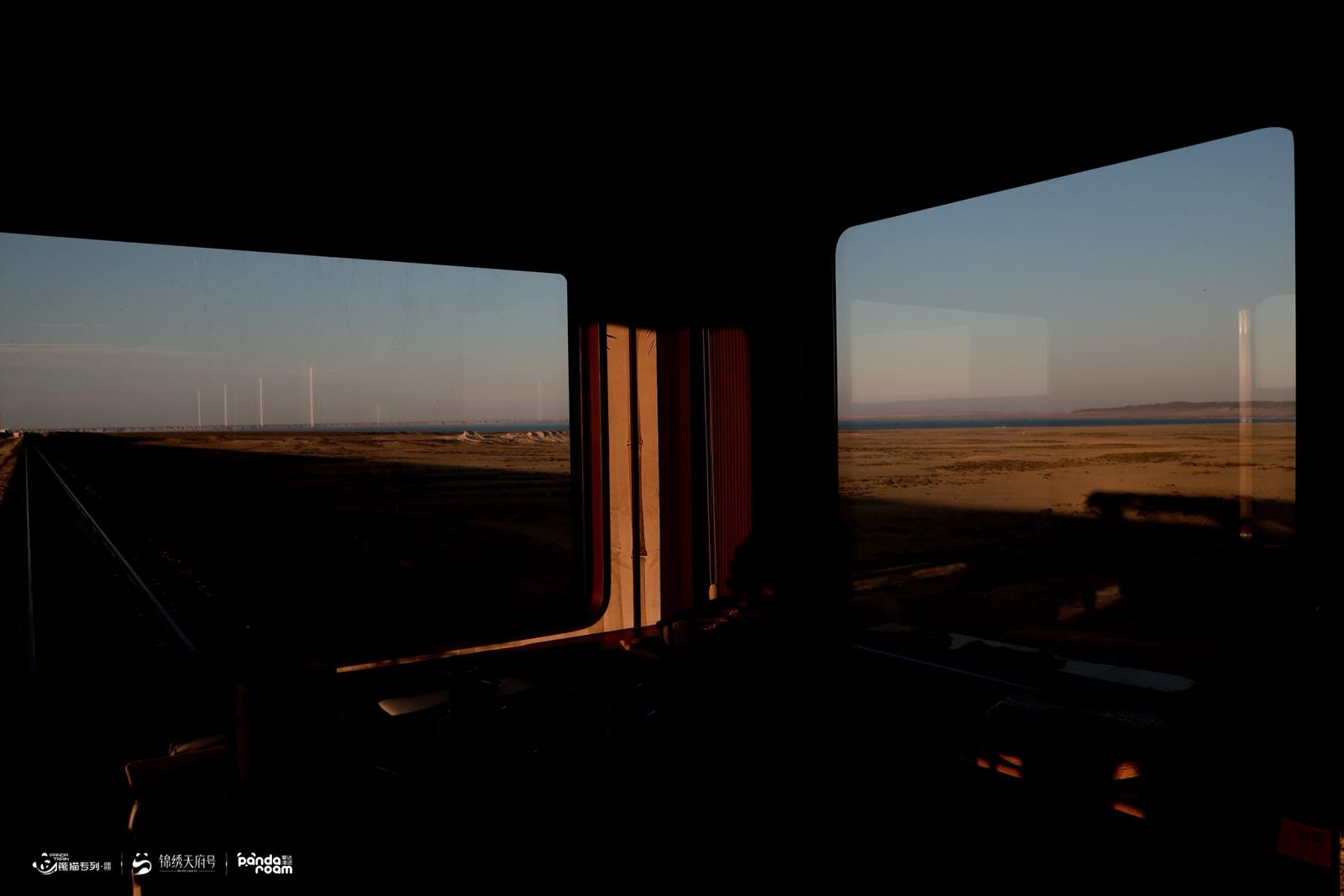
Arriving in Urumqi is only the beginning. The main attractions can be hundreds of kilometers apart, so a good Xinjiang itinerary must control fatigue as carefully as it selects attractions.
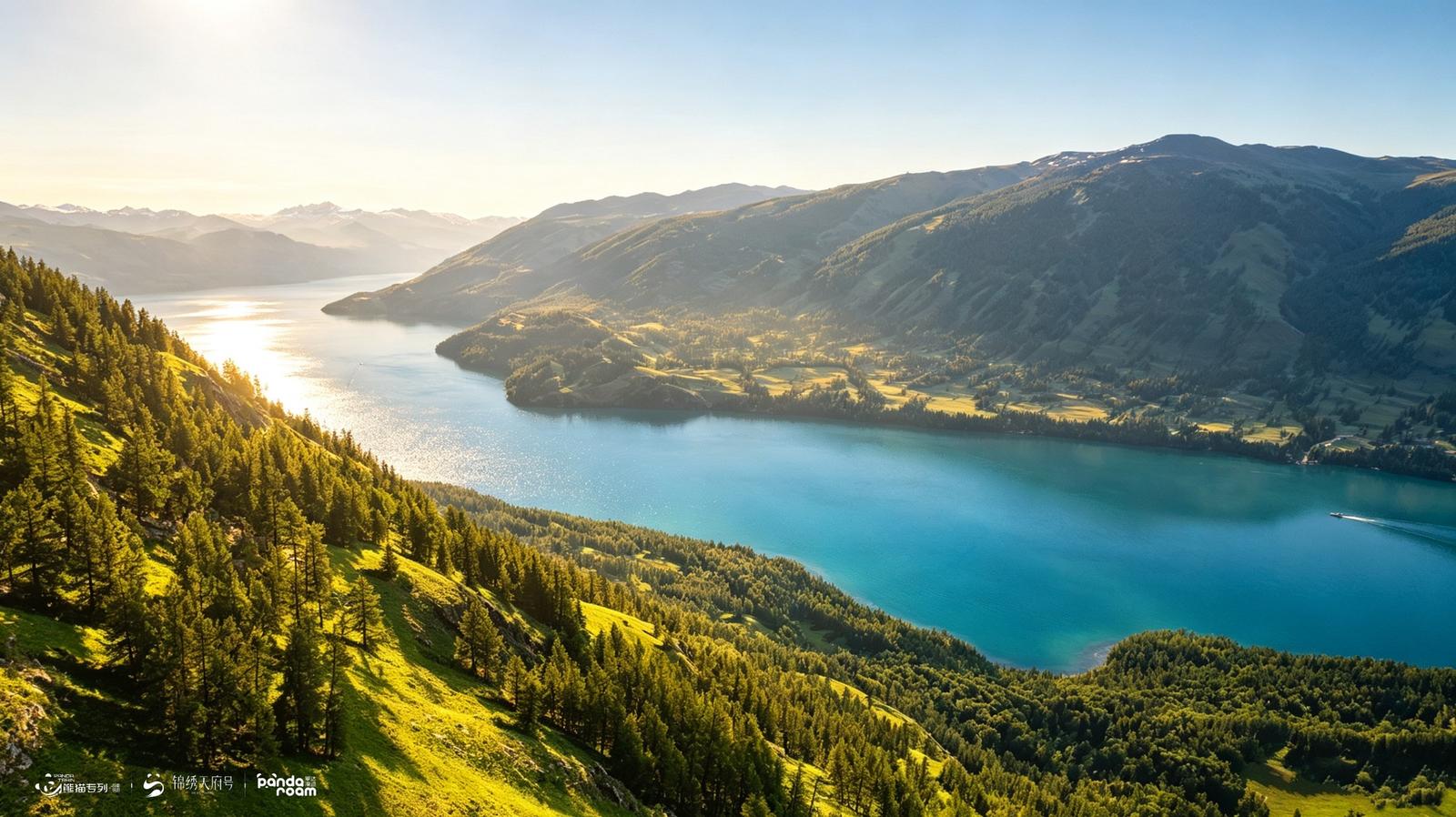
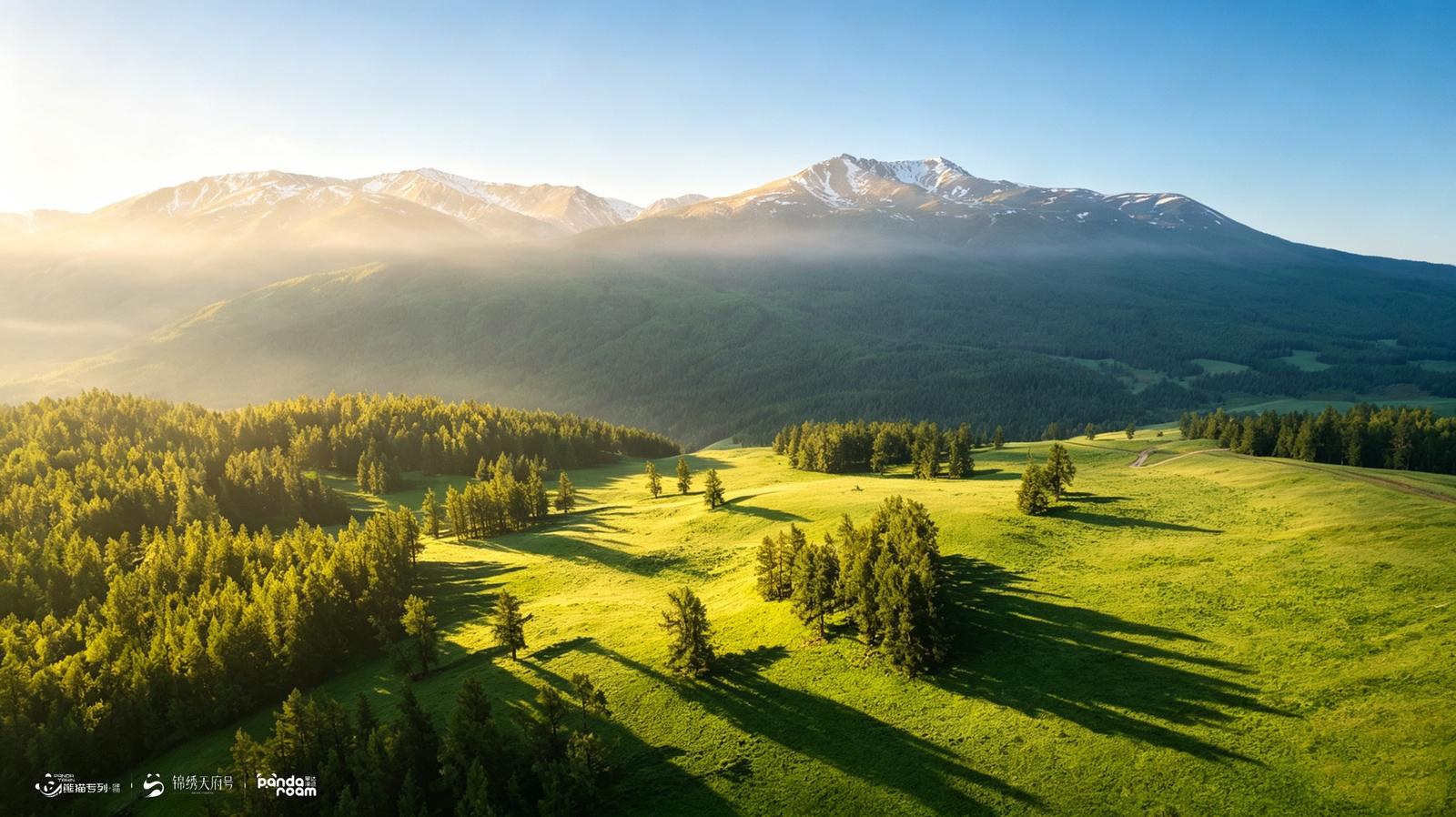
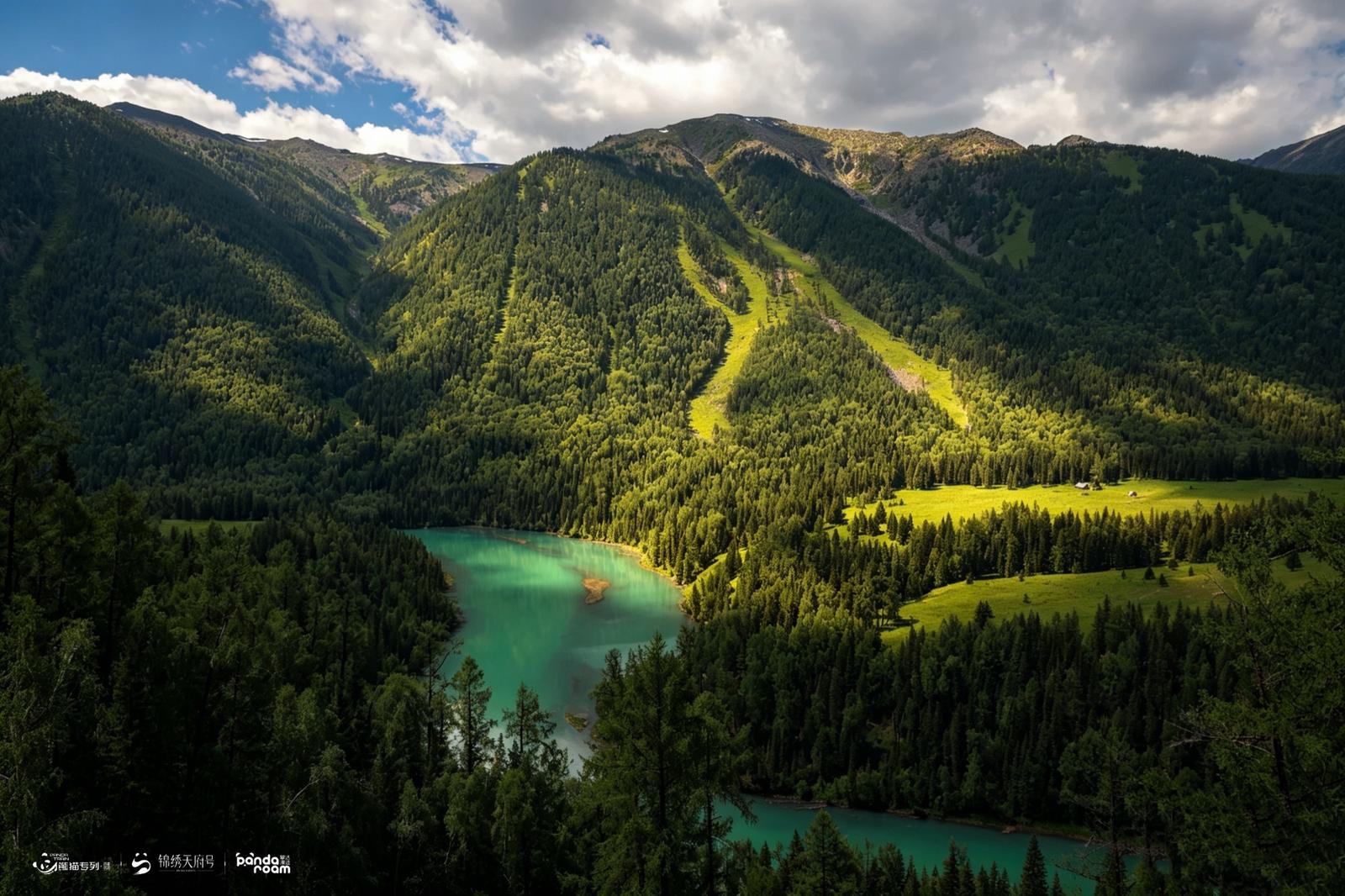
North Xinjiang is usually built around Tianchi, Kanas, Hemu, Sayram Lake and Nalati. South Xinjiang focuses on Kuqa, Kashgar, Baisha Lake, Tashkurgan, Karakul Lake and the Pamir Plateau.
For a first journey that wants both nature and culture, plan at least 14 days. A 16-day rail itinerary gives the route enough breathing room.
Best time to visit Xinjiang in 2026
There is no single best month, but June to October is the most reliable window for a first deep Xinjiang trip.
June to August is strong for grasslands, lakes and the Ili region. September and October are excellent for stable weather, golden scenery, Kashgar and the Pamir Plateau.
Spring works for blossoms and quieter travel. Winter can be beautiful, especially for snow, but it requires more flexibility and a more specialized route.
| Season | Months | Strength | Best for |
|---|---|---|---|
| Spring | April-May | Warming weather and blossoms | Repeat travelers and photographers |
| Summer | June-August | Green grasslands and lakes | First North Xinjiang trip |
| Autumn | September-October | Stable weather and richer color | Full North-South itinerary |
| Winter | November-March | Quiet snow scenery | Special-interest routes |
How many days do you need for Xinjiang?
A 7-day Xinjiang tour can cover Urumqi plus one region. A 10-day route starts to feel meaningful, but still requires choices. A 14- to 16-day itinerary can combine North Xinjiang scenery with South Xinjiang culture.
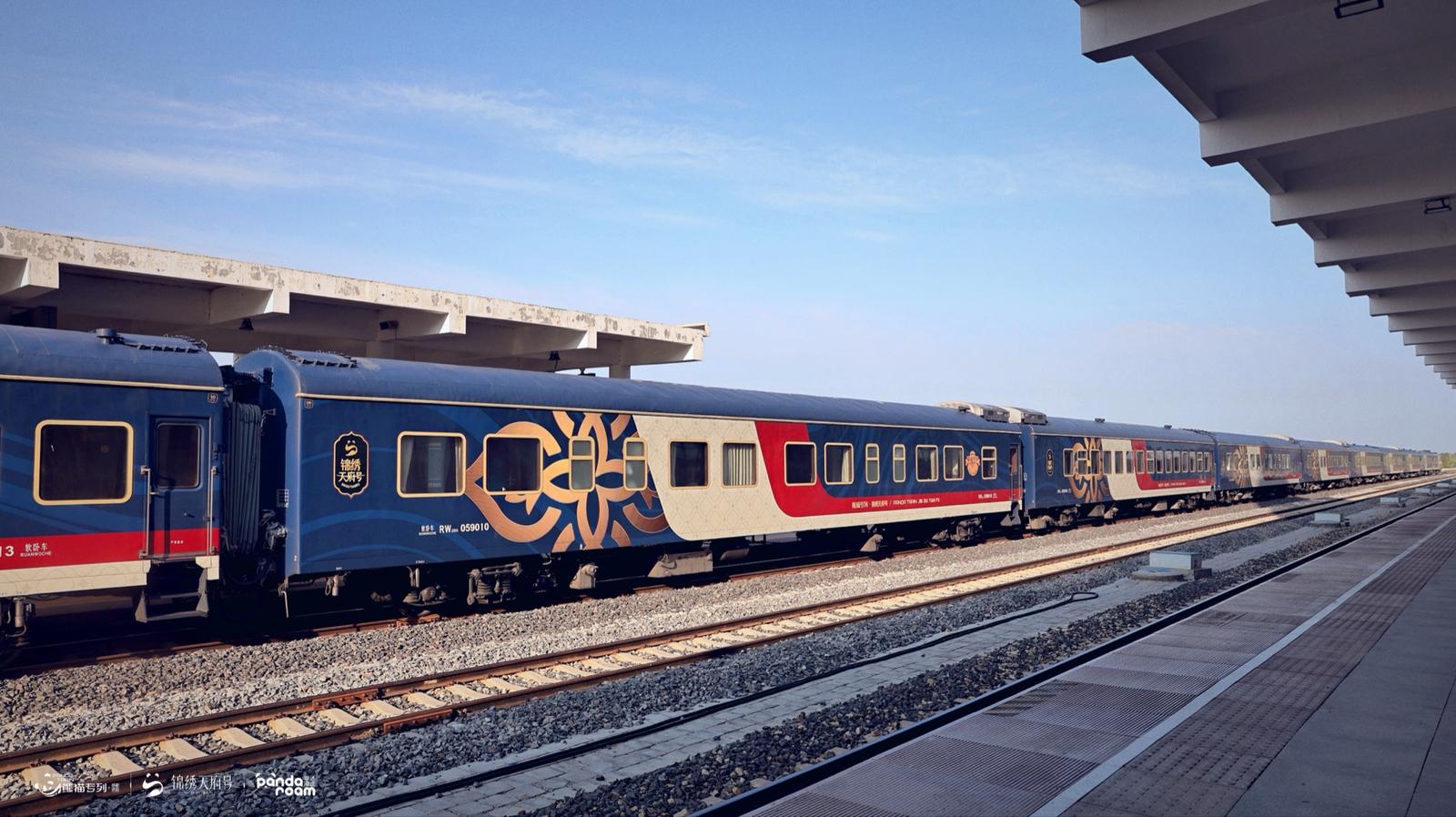
The Jinxiu Tianfu 16-day journey is designed for travelers who do not want a rushed checklist. It connects Tianchi, Kanas, Hemu, Sayram Lake, Nalati, Kuqa, Kashgar, Baisha Lake, Tashkurgan, the Pamirs, Turpan and the Flaming Mountains.
Why consider a luxury train for Xinjiang?
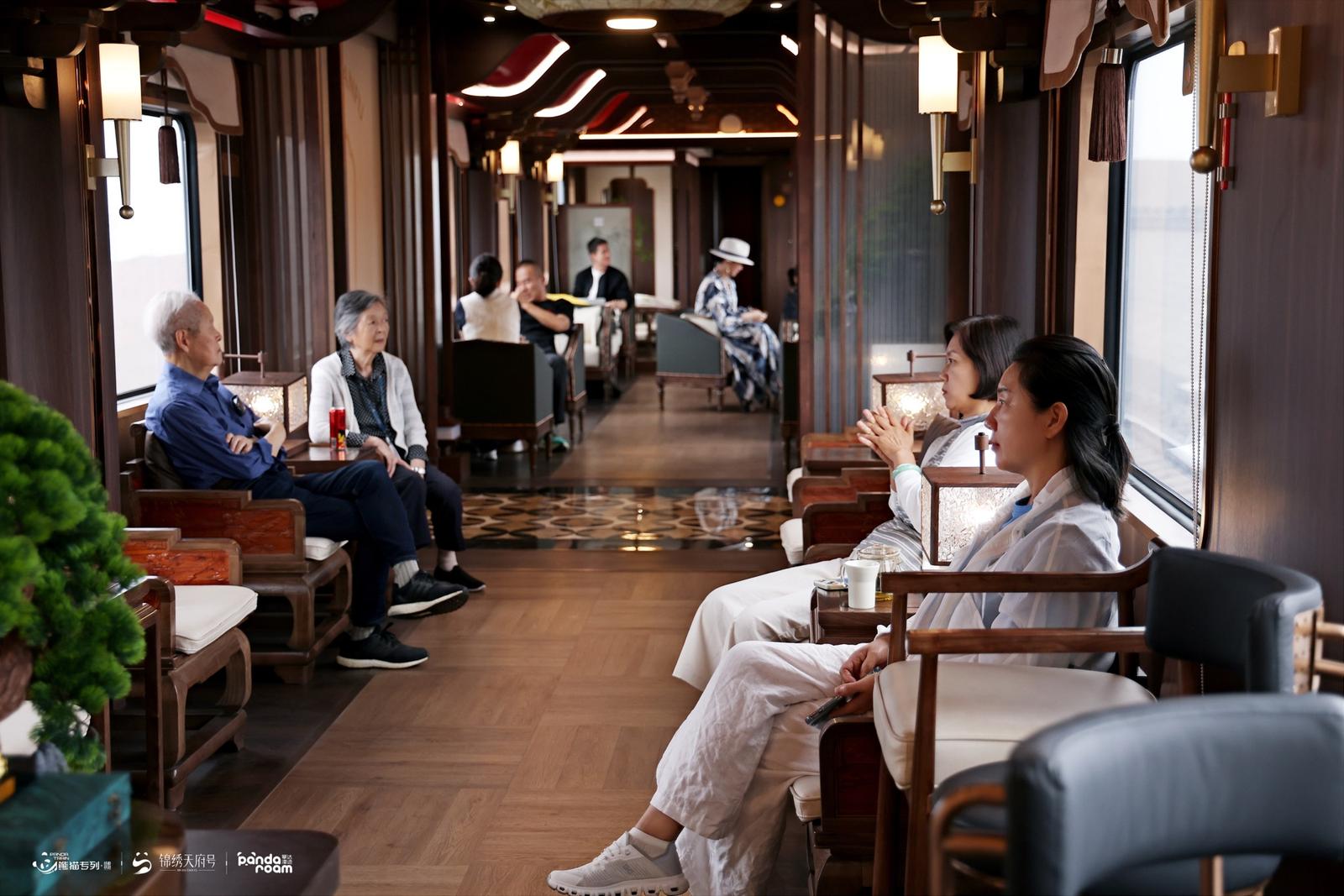
A luxury train is not just transportation. It solves the practical issues that often weaken long Xinjiang trips: frequent hotel changes, luggage movement, variable meals, fatigue and uneven service.
Jinxiu Tianfu functions like a moving luxury hotel. Guests return to a familiar private cabin, enjoy curated dining and concierge service, and use the train to turn distance into part of the travel experience.