Travel notes · People and service
With Her There, Worry Falls Away: Care on a Jinxiu Tianfu Journey
Read Leesan’s account of a Jinxiu Tianfu journey leader, from the welcome dinner and rest stops to coordination behind the scenes, and consider the service needs to confirm before departure.

When people think of Jinxiu Tianfu (锦绣天府号), the carriages, window views and dining tables often come to mind first. Leesan’s piece, originally titled 有她在,放101个心!, turns instead to a lead journey leader: she observes guests’ needs at the welcome dinner, prepares for their rest along the way, and handles matters they may never see.
The piece, included in the Panda Roam travel-notes collection, describes particular encounters on one journey. It shows how some of the comfort on a train comes from its spaces, and some from someone giving things careful thought.
Three things to remember from this letter
- Care begins at the first meeting, with attention to each guest’s habits and needs.
- Rest along the way needs planning too; a journey is more than its daily sightseeing stops.
- A smooth itinerary depends on reception, communication and coordination when circumstances change.
At the welcome dinner, she was already looking after everyone
Leesan begins on a drizzly evening in Chengdu. As guests arrived at the welcome dinner, a staff member wearing clothing with the Panda Roam logo caught his attention. She then introduced herself as the lead journey leader for their trip.
In the author’s account, her role extended beyond the introduction on stage. Dinner arrangements needed attention, guests’ reactions needed noticing, and different preferences took time to understand. Travellers saw a gathering; for the leader, it was also the start of getting to know her companions and preparing for the days ahead.
A photograph before departure captures smiles; a first conversation can convey things no photograph reveals. If you have particular dietary habits, concerns about walking, or a need for language assistance, telling the reception team in advance allows more time to respond than explaining after a problem arises.
A meal and a moment of rest had both been thought through
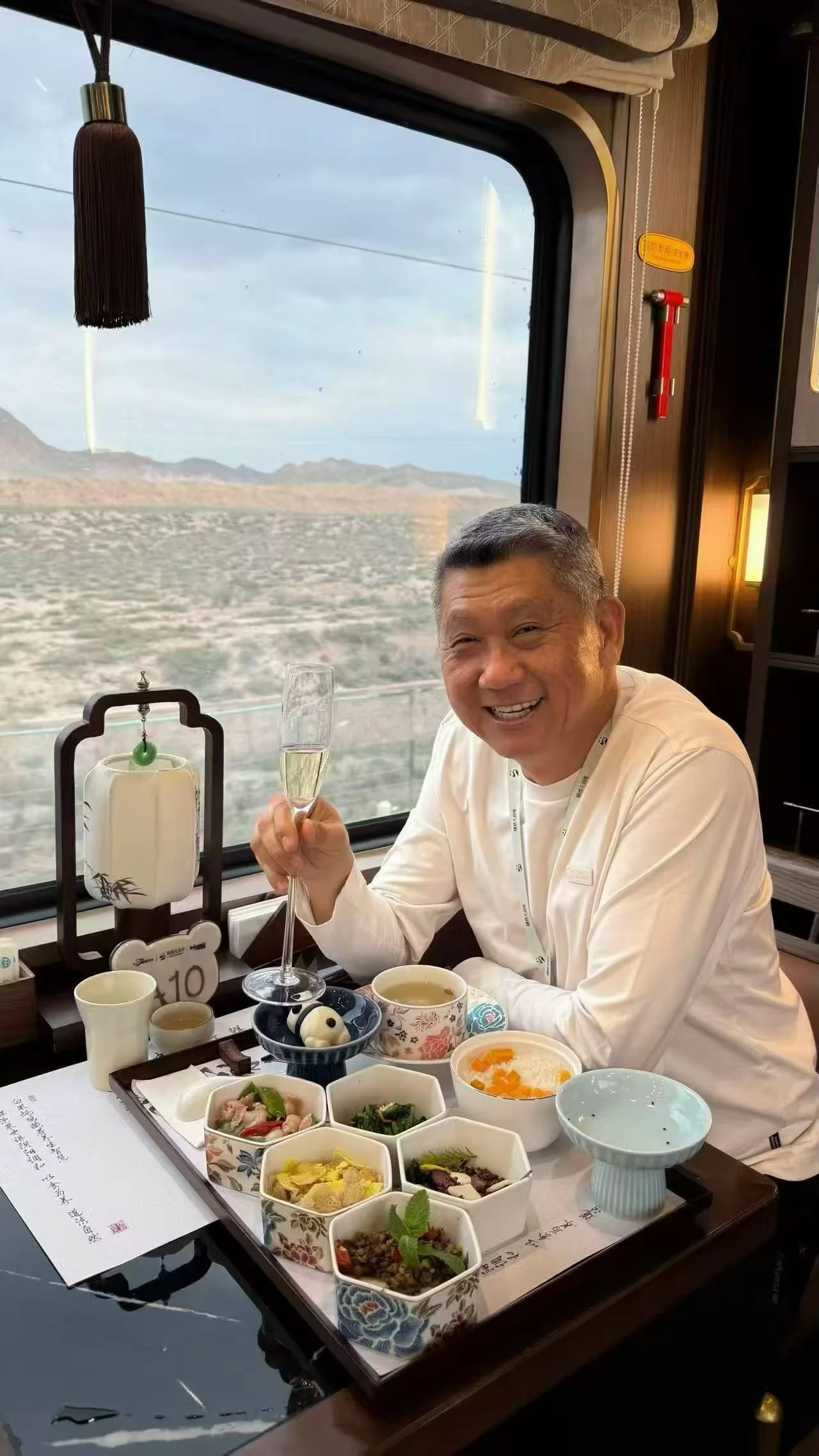
It is not only the food and scenery that stay with a reader. Leesan describes a rest stop in northern Xinjiang: guests were welcomed and guided on arrival, and the leader checked the use of public facilities, explaining which areas they could use.
These details are unobtrusive but closely tied to how a long journey feels. Is a rest stop convenient? Where should you go after getting off? Is someone waiting at the restaurant? Having to search repeatedly for answers can take attention away from enjoying the surroundings.
The window-side dining photograph shows the relaxed side of the journey. How a meal fits into that day’s sightseeing, or who communicates special dietary requests, rarely appears in the frame. Reading this letter means noticing those quiet preparations again.
Guests see ease; the leader deals with coordination

Leesan shifts his attention from what guests see to what happens behind the scenes. Reception handovers, complaints, special requests and responses to changes in weather, roads or attractions may all call for coordination.
A shared activity in the carriage can feel effortless, but a group’s itinerary needs more than enthusiasm in the moment. What has been confirmed? What needs adjusting? How will guests receive updates promptly? The answers shape whether a journey proceeds smoothly.
The letter praises one person’s diligence and willingness to take responsibility. It also offers readers another way to understand travel service: alongside asking how many activities an itinerary includes, ask whom to contact for help and how changes will be communicated.
Peace of mind comes from a thoughtful response
As the journey neared its end, the author finally had an opportunity to sit down and talk with the lead journey leader. In his account, she valued living up to the expectations of guests who had travelled far, and took the work of service seriously.
The original title 有她在,放101个心!, roughly “With her there, I can feel completely at ease,” expresses Leesan’s trust; it is not a measurable service standard. The earlier episodes give the phrase its weight: attention at dinner, care during rest stops, and a willingness to shoulder responsibility when something arises.
These episodes belong to the journey the author recorded. They do not mean that the same leader will accompany every future departure, or that the same activities and services will be repeated. When planning your own trip, explain your personal needs and confirm how the selected departure can accommodate them.
Bring your needs into the conversation before departure
If you are considering Jinxiu Tianfu, first read the current Xinjiang itineraries, then consult the carriage and cabin photographs to consider whether the trip suits your companions. These questions can help when you contact an adviser:
- Whom should we tell about dietary restrictions or allergies in advance? Which requests can be confirmed?
- What walking, boarding, alighting and rest arrangements are planned each day? Is the assistance our companions need available for this programme?
- Whom should we contact if a problem arises? How will changes be communicated?
Specific questions about people, timing and arrangements are more likely to produce answers you can act on. Read the official booking guide for the inquiry and confirmation process, then tell the Jinxiu Tianfu team your party size, intended dates and particular needs.
About this travel note
The Jinxiu Tianfu editorial team adapted this article from the supplied piece credited to Leesan, originally titled 有她在,放101个心!. It retains the narrative of the lead journey leader’s care and adds suggestions for communicating before a trip. It is neither an editor’s firsthand account nor a full republication of the original. View the supplied image of the letter. The image carries the Panda Roam travel-notes label and the year 2026, but no exact publication date.

The site operator supplied the accompanying photographs to illustrate life on the train; they are not used to establish anyone’s identity. For further media observations on Jinxiu Tianfu service, read our interpretation of The Star report.
Start with the current Xinjiang itineraries to compare trip lengths, stops and daily arrangements, then read the booking guide. Tell the team your intended travel year, party size, cabin preference and any dietary or mobility assistance needs, and obtain written confirmation for your chosen programme.
Reports and photographs record a particular journey or photographed scene. Current departures, prices, availability, staffing and service arrangements depend on the chosen programme and written confirmation.